Type C – Chemical (Reflux) Gastritis
What is Type C – Chemical (Reflux) Gastritis
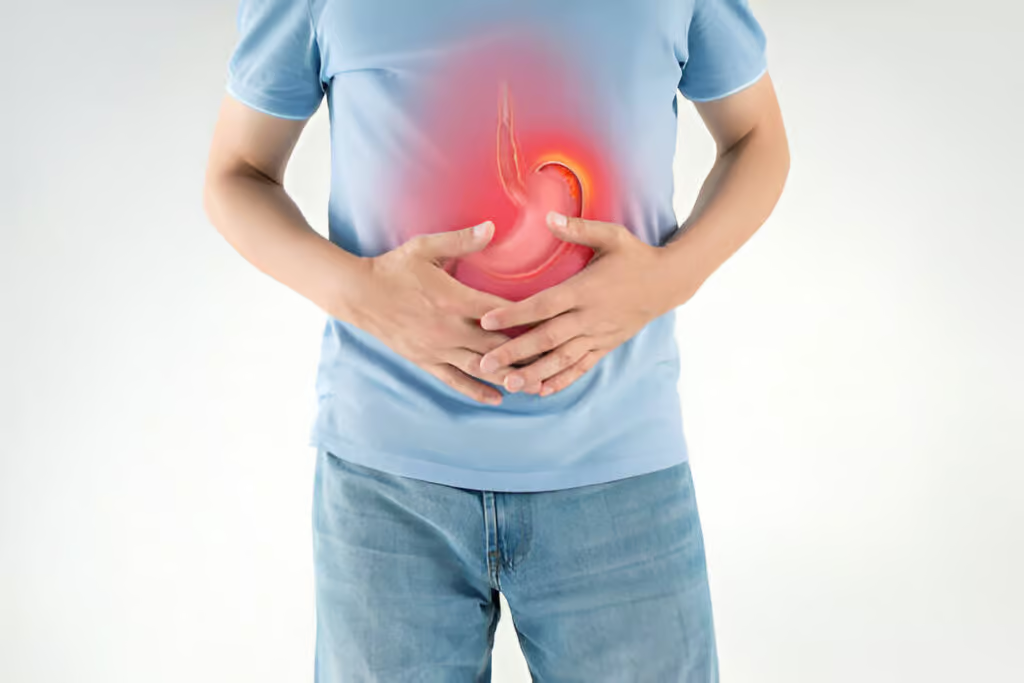
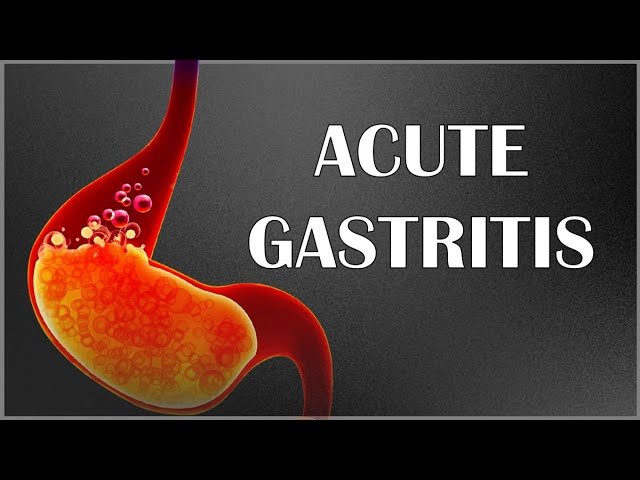
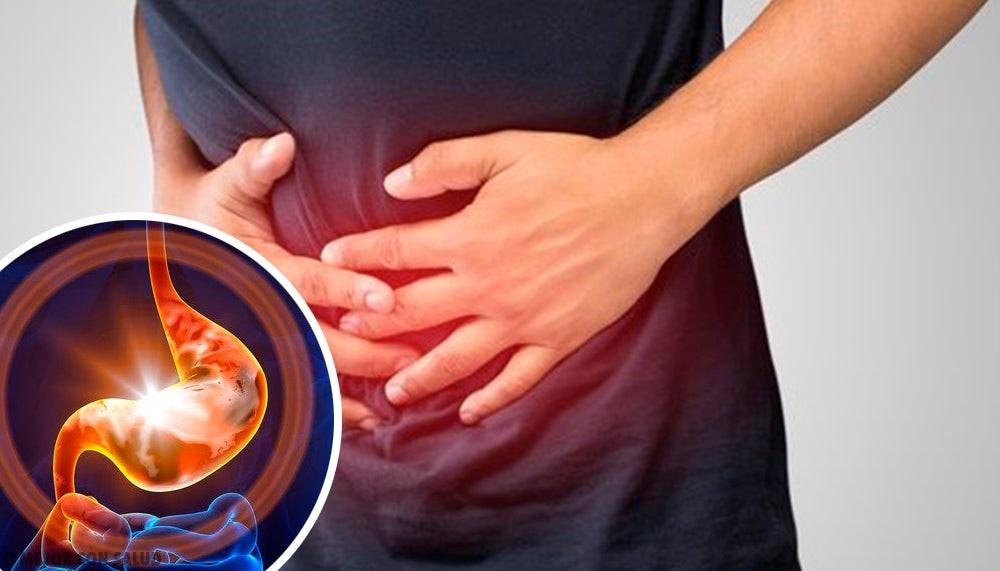
Type C Chronic Gastritis, also known as Chemical Gastritis or Reflux Gastritis, is a condition in which the stomach lining becomes inflamed and irritated due to continuous exposure to bile reflux or chemicals like NSAIDs (painkillers) and alcohol.
In homeopathic terms, this is seen as a reaction of the stomach’s vital energy against chemical insults and disturbances in bile or digestive secretions.
It’s not just a mechanical reflux — it reflects internal imbalance, especially of the liver, gallbladder, and stomach coordination.
Causes
1. Bile Reflux (Duodenogastric Reflux):
- Bile, normally produced by the liver and stored in the gallbladder, may flow backward from the duodenum into the stomach.
- This bile is alkaline and chemically irritates the gastric mucosa, leading to chronic inflammation.
- 2. Chemical Injury:
- Painkillers (NSAIDs) like aspirin, ibuprofen, and diclofenac reduce the stomach’s protective mucus.
- Alcohol, smoking, and steroids aggravate the effect.
3. Post-surgical Changes:
- After certain gastric or gallbladder surgeries, the pyloric valve may become weak, allowing bile to enter the stomach.
4. Lifestyle and Emotional Factors (Homeopathic View):
- Long-term stress, suppressed anger, and irregular eating habits disturb bile flow and gastric secretions.
- Emotional suppression (especially anger or frustration) affects liver energy, causing bile to reflux abnormally.
Pathophysiology
- Bile or chemical agents damage the mucus layer protecting the stomach.
- The acid and bile together erode and inflame the gastric lining.
- Chronic exposure causes edema, redness, and eventually mucosal atrophy or ulceration.
- Over time, this may cause pain, nausea, and indigestion even without much acid overproduction.
Symptoms
- Gastric Symptoms:
- Burning or gnawing pain in the upper abdomen, often after meals.
- Bitter or bile taste in the mouth.
- Nausea and vomiting, sometimes vomiting of yellowish-green bile.
- Bloating and discomfort after fatty or fried foods.
- Loss of appetite and feeling of heaviness.
- Acid reflux, though less acidic and more bitter due to bile.
2. General Symptoms:
- Weakness, irritability, and mental fatigue.
- Headache or dull pain in the right upper abdomen (liver region).
- Emotional tension, especially anger, stress, or frustration.
Homeopathic Understanding
In homeopathy, Type C gastritis reflects a disturbed liver-gastric axis.
When the vital force is imbalanced, the liver’s function of bile regulation becomes faulty.
The stomach then receives chemical irritation instead of proper bile flow.
Thus, rather than suppressing acid or bile, homeopathy restores the natural rhythm of digestion — balancing liver, bile, and stomach activity.
The aim is to heal mucosal inflammation, regulate bile secretion, and address emotional roots that disturb digestion.
Key Homeopathic Remedies
1. Chelidonium Majus
- One of the best liver and bile remedies.
- Pain under right scapula, yellow-coated tongue, and nausea after eating.
- Bitter taste, vomiting of bile, and relief from warm drinks.
- Excellent for bile reflux gastritis due to liver congestion or sluggishness.
2. Nux Vomica
- For gastritis from overuse of drugs, coffee, alcohol, or overeating.
- Cramping pain, nausea, and strong irritability.
- Especially suited for urban lifestyle gastritis — stress, late work, stimulants.
- Great detoxifier when chemical irritation is the cause.
3. Iris Versicolor
- Acidic, burning pain extending from stomach to throat.
- Bitter vomiting, especially after eating fatty or rich food.
- Useful when acid and bile regurgitate together, causing sour and bitter reflux.
- Also helps in heartburn with bilious headache.
4. Lycopodium Clavatum
- Bloating, fullness, and sour belching after light meals.
- Craving for sweets but worsened by them.
- Suited for people with poor digestion due to weak liver.
- Combines gastric and hepatic symptoms — ideal for chronic chemical gastritis.
5. China (Cinchona Officinalis)
- Weak digestion and bloating after loss of vital fluids or long illness.
- Bitter taste with belching of gas that gives no relief.
- Excellent for post-surgical bile reflux cases with weakness and flatulence.
6. Carduus Marianus
- Strong liver remedy; helps when gastritis is due to bile or alcohol abuse.
- Nausea, bitter eructations, and pain in right hypochondrium.
- Promotes bile flow and detoxifies liver gently.
- Great for reflux gastritis with hepatic dysfunction.
Diet & Lifestyle
- Eat light, non-greasy meals — prefer steamed, boiled, or baked foods.
- Avoid fried, spicy, oily foods and carbonated drinks.
- Avoid painkillers (NSAIDs) unless absolutely necessary.
- Sleep early; maintain regular eating hours.
- Manage stress through meditation, prayer, or relaxation techniques.
- Drink lukewarm water and herbal teas (like licorice, chamomile).
- Avoid lying down immediately after eating.
- Support liver health with green leafy vegetables and fruits.
Homeopathic Approach
Homeopathic Focus Goal
- Detoxify stomach and liver Remove chemical/bile irritation
- Restore natural bile flow Prevent reflux and inflammation
- Heal gastric mucosa Relieve burning and pain
- Balance emotions Reduce stress-induced acidity
- Strengthen vital force Long-term stability and immunity
With proper homeopathic treatment, Type C (chemical/reflux) gastritis can be healed naturally — not just symptomatically but at its energetic root.
Patients regain digestive comfort, mental calm, and liver vitality without dependency on antacids or suppressive drugs.