Thrombosed Piles (Hemorrhoids with Clot)
What is Thrombosed Piles (Hemorrhoids with Clot)
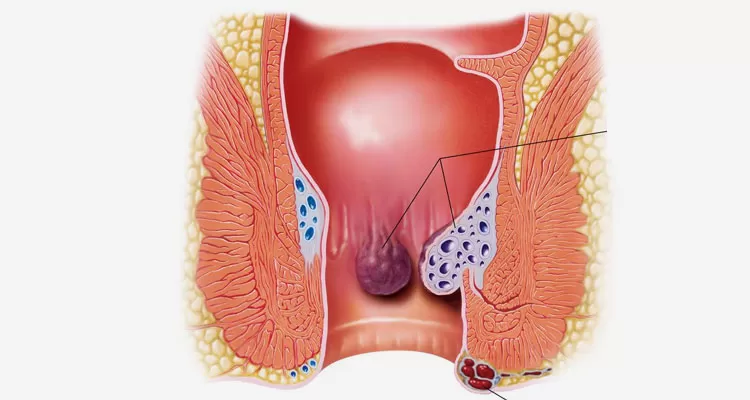
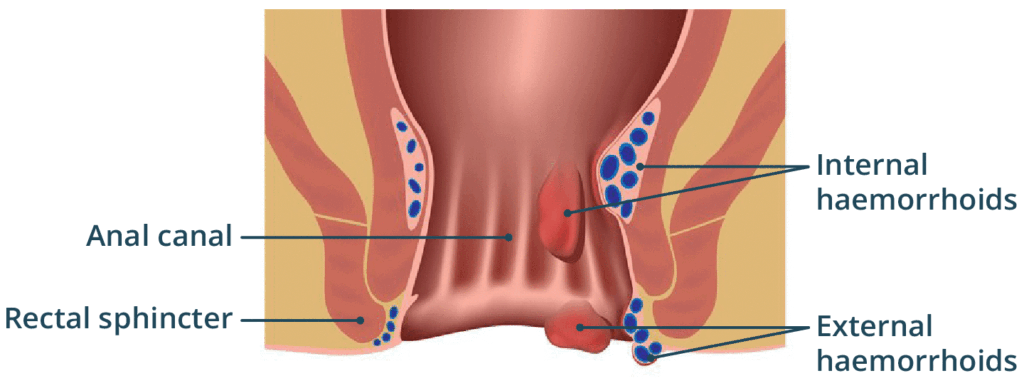
Thrombosed piles are hemorrhoids (mostly external) in which a blood clot forms inside the swollen vein, leading to severe pain, swelling, and sometimes bluish discoloration.
In homeopathy, this is considered as acute venous congestion with clotting tendency, often triggered by straining, chronic constipation, pregnancy, or sudden increased abdominal pressure.
Causes
- Straining while passing stool (chronic constipation)
- Heavy lifting or sudden exertion
- Pregnancy and postpartum changes
- Prolonged sitting or sedentary lifestyle
- Obesity and weak circulation
- Long-standing untreated external piles
Symptoms
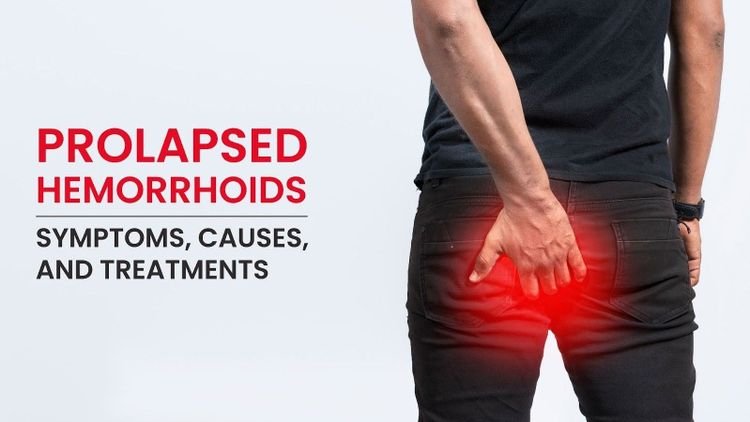
- Sudden, severe pain around anus (often after straining)
- Swelling or hard lump near the anal opening
- Lump may appear bluish-purple due to clot inside
- Difficulty in sitting or walking
- Bleeding if the clot ruptures
- Feeling of fullness or tightness at anal region
Homeopathic Perspective & Remedies
Homeopathy helps in reducing clot-related pain, shrinking the swelling, and preventing recurrence by improving venous health and correcting bowel habits.
Commonly used remedies:
- Hamamelis – for intense venous congestion, bleeding piles with soreness
- Aesculus Hippocastanum – painful piles with backache and fullness at rectum
- Collinsonia – constipation with hard stool, painful hemorrhoids, and bleeding
- Sulphur – chronic tendency of piles with burning, itching, and recurrence
- Lachesis – piles with bluish, swollen appearance, worse from heat and touch
Summary
Thrombosed piles are painful hemorrhoids caused by clot formation in rectal veins. They present as a hard, swollen, painful lump near the anus. Homeopathy provides safe, non-surgical management by relieving pain, improving circulation, and preventing future clot formation.
Precautions & Lifestyle
- Avoid straining during stool, keep bowel movements soft
- Drink plenty of water, include fresh fruits, vegetables, and whole grains
- Use warm sitz baths for relief in pain and swelling
- Avoid sitting for long hours, especially on hard surfaces
- Do not apply excessive pressure or scratch the area
- Maintain ideal body weight and stay active with light exercise