Sphenoidal Sinusitis
What is Sphenoidal Sinusitis
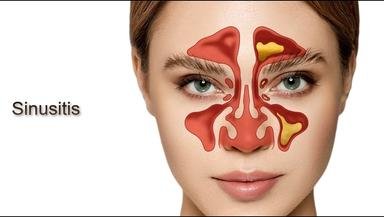
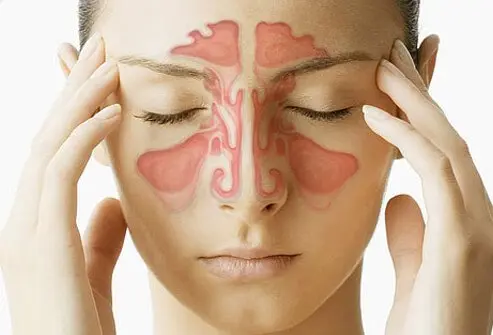
From a homeopathic perspective, Sphenoidal Sinusitis refers to the inflammation or infection of the sphenoid sinuses, which are small air-filled cavities located deep behind the eyes and nose, near the center of the skull. Because of their deep location, this type of sinusitis is often less common but more serious and difficult to diagnose.
In homeopathy, sphenoidal sinusitis is seen as a deep-seated disturbance of the body’s internal balance — often developing when the immune system is weakened or when acute sinus inflammation is repeatedly suppressed by conventional measures. Homeopathy aims to address the root cause, strengthen resistance, and help the body naturally expel the trapped infection.
Causes
- Recurrent or untreated upper respiratory infections or colds
- Chronic nasal congestion or sinus blockage
- Allergic reactions to dust, pollen, or pollution
- Structural nasal problems, like deviated septum or nasal polyps
- Dental infections spreading to sinuses
- Weak immune system or poor vitality
- Prolonged exposure to cold air, dampness, or sudden weather changes
Symptoms
Because the sphenoid sinuses are located deep in the skull, symptoms can be quite vague and confusing — often misdiagnosed as a migraine or neuralgia.
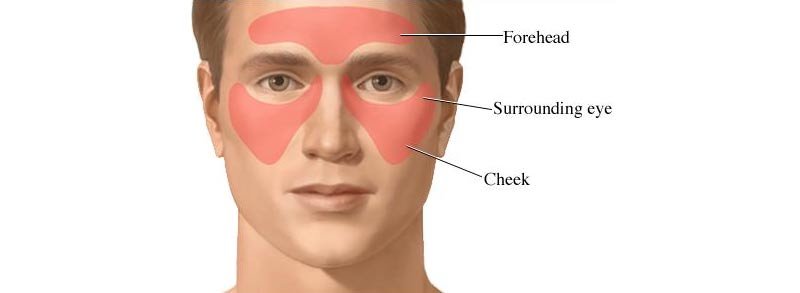
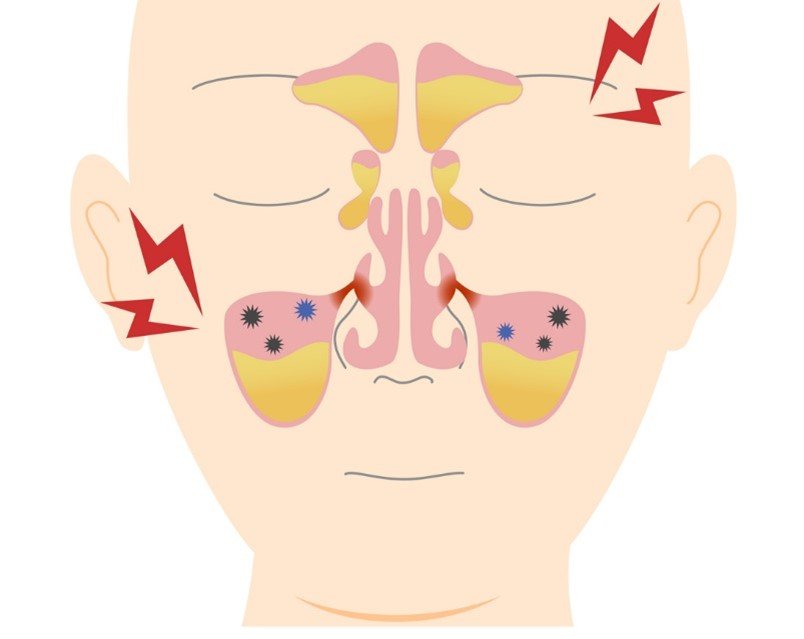
- Deep-seated headache at the top, back of the head, or behind the eyes
- Pain radiating to the temples, neck, or ears
- Blurred vision or pain behind the eyeballs
- Nasal obstruction or postnasal drip
- Dizziness or heaviness in the head
- Pain worsening at night or early morning
- Fever or general malaise in acute cases
- Sore throat due to constant drainage
- In chronic cases, mental dullness, fatigue, and irritability
Homeopathic Understanding
In homeopathy, sphenoidal sinusitis represents a chronic inflammatory tendency and suppressed discharge leading to deeper infection. The approach is to stimulate the body’s natural healing power, restore drainage, and prevent the infection from spreading to vital structures (eyes, brain, ears).
Rather than focusing only on symptom relief, homeopathy works on the constitutional level, enhancing overall resistance and preventing recurrences.
Homeopathic Remedies
Remedy Characteristic Indications
- Kali bichromicum Deep, boring headache at the root of the nose; sticky, stringy mucus; worse in the morning or from cold.
- Sanguinaria canadensis Pain starting at the back of the head, settling over right eye; periodic headaches with nausea; worse from light and motion.
- Spigelia anthelmia Severe pain behind the eyes; radiating to face and teeth; sensitive to touch and motion.
Silicea terra Chronic sinusitis with thick, offensive pus discharge; weakness and chilliness; helps clear deep-seated infections. - Hepar sulphuris Acute pain, tenderness of face; thick, offensive, yellow-green discharge; extreme sensitivity to cold air.
- Mercurius solubilis Greenish discharge with foul odor; night aggravation; sweating with weakness.
- Lachesis muta Left-sided deep pain; congestion worse at night; feeling of tightness around head and neck.
(Medicine selection depends on the person’s constitution, nature of discharge, and mental-emotional state.)
Lifestyle & Natural Precautions
- Inhale warm steam regularly to promote sinus drainage.
- Avoid cold drinks, cold wind, and exposure to air conditioning.
- Keep the head and neck warm.
- Stay hydrated to prevent thick mucus formation.
- Avoid strong perfumes, smoke, and dust that irritate sinuses.
- Include vitamin C-rich foods and maintain a healthy immune system.
Do not suppress cold or discharge with over-the-counter decongestants — let it flow naturally.
Homeopathic Treatment
Homeopathy treats Sphenoidal Sinusitis by:
1. Relieving acute pain and pressure in the head naturally.
2. Encouraging drainage of mucus and pus from deep sinuses.
3. Reducing inflammation and congestion without suppression.
4. Boosting the immune system and preventing recurrent sinus attacks.
5. Balancing the constitution so the body becomes less prone to infections.
Over time, patients notice lighter head, better breathing, improved sleep, and a significant reduction in recurrence of sinus headaches.