Slow Transit Constipation
What is Slow Transit Constipation
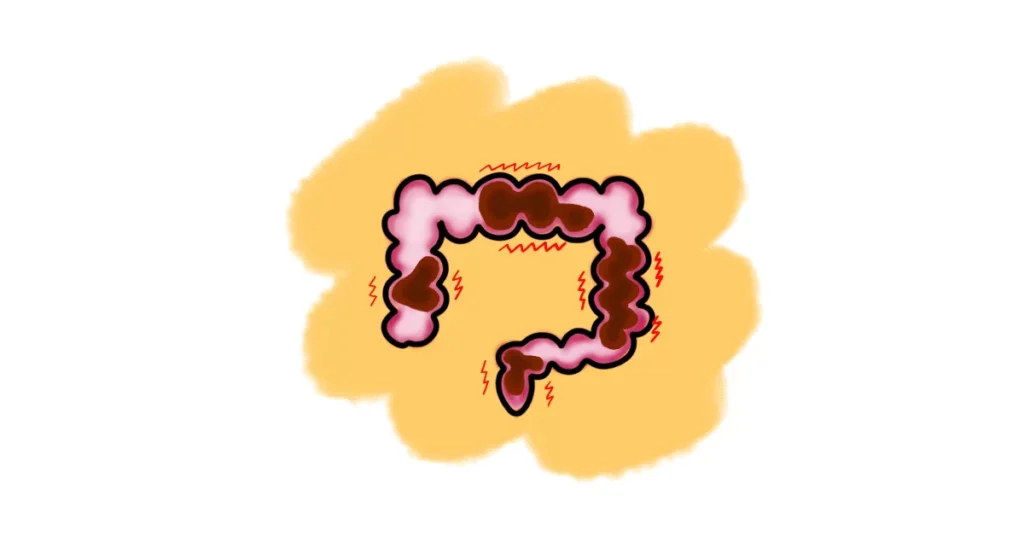
In this type of constipation, the intestines move very slowly — meaning food takes longer to travel through the gut. As a result, stool becomes dry, hard, and infrequent. Patients may pass stool only 2–3 times a week or even less.
Homeopathy plays an important role here by:
- Stimulating the sluggish intestines naturally.
- Improving the nerve and muscle activity of the gut.
- Preventing long-term dependency on harsh laxatives.
- Treating the whole person — addressing digestion, emotions, and habits together.
Causes
- Eating too much fast food, less fruits and vegetables.
- Less water intake — body dries the stool.
- No exercise / sitting all day lifestyle.
- Long-term use of painkillers, antacids, or iron tablets.
- Natural bowel muscles becoming weak with age.
- Stress or worry slowing down digestion.
Symptoms
- Passing stool only 1–2 times a week.
- Stool is very hard, dry, and large.
- Feeling bloated or heavy in stomach.
- Pain or straining while passing stool.
- Sometimes feeling tired, dull, or even headache due to irregular bowels.
Homeopathy’s Role & Example Remedies
Homeopathy works deeply in slow transit constipation by gently stimulating the bowel without irritation. It restores the body’s own rhythm instead of forcing it like a laxative. Over time, the patient develops a natural, regular urge.
Some commonly indicated remedies (chosen after case study):
- Sulphur – Long-standing constipation; frequent urge but incomplete stool.
- Graphites – Hard, large stools with much straining; constipation linked to skin troubles.
- Plumbum metallicum – Extremely sluggish intestines; no desire for stool for many days.
- Calcarea carbonica – Constipation in those with weak digestion, sluggish metabolism, and sedentary lifestyle.
Summary
Slow transit constipation is due to sluggish bowel movement. Homeopathy helps by re-activating the intestines, correcting the underlying cause, and providing long-term natural relief without dependency on laxatives.
Precautions & Lifestyle
- Eat more fibrous foods: oats, green vegetables, apples, papaya.
- Drink plenty of warm water throughout the day.
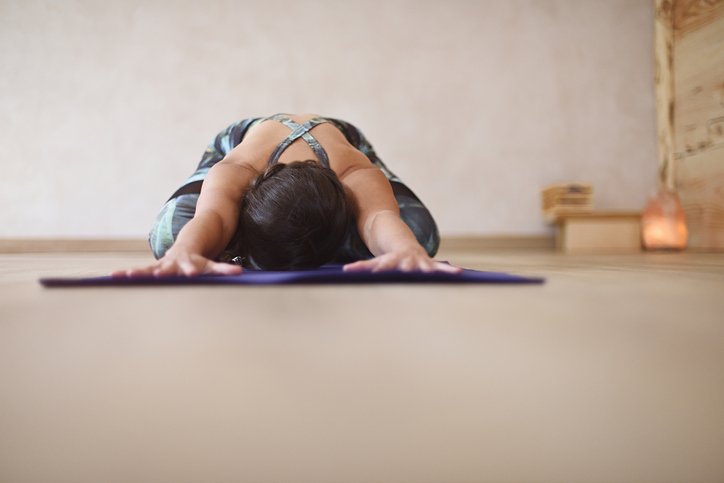
- Do walking, yoga, or light exercise daily.
- Fix a daily toilet routine — try going at the same time each morning.
- Avoid excess tea, coffee, fried food, which slow the bowel more.