Prostate Cancer
What is Prostate Cancer
Prostate cancer occurs when abnormal cells grow in the prostate gland, which is a small gland in men located below the bladder that produces semen.
It is more common in older men and often grows slowly, but some types can be aggressive.
Causes / Risk Factors
- Age – usually men over 50 years.
- Family history – father or brother with prostate cancer.
- Genetic mutations – BRCA1, BRCA2, or other genes.
- Hormonal factors – high testosterone levels.
- Diet – high in red meat, fatty foods, low in fruits/vegetables.
- Obesity and sedentary lifestyle.
Symptoms
In early stages, there may be no symptoms. As it progresses:
- Frequent urination, especially at night.
- Difficulty starting or stopping urine.
- Weak or interrupted urine flow.
- Pain or burning during urination.
- Blood in urine or semen.
- Pain in lower back, hips, or pelvis (if cancer spreads).
- Weakness and fatigue.
Complications
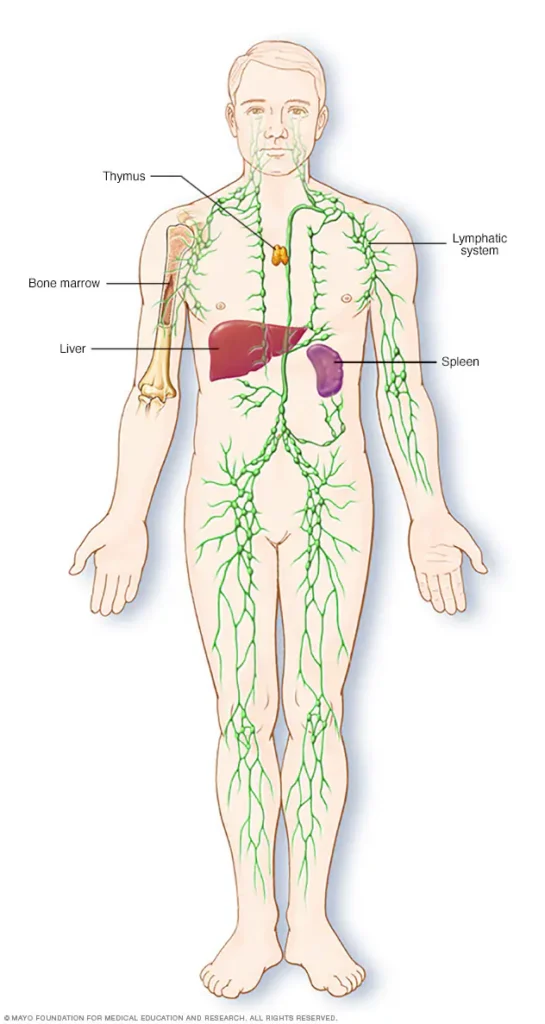
- Spread to bones or lymph nodes.
- Urinary obstruction → kidney problems.
- Anemia and weight loss in advanced stages.
Homeopathic Perspective
Homeopathy treats the whole patient rather than just the tumor.
Goals:
- Reduce urinary discomfort, pain, and urgency.
- Support immune system and overall vitality.
- Complement conventional treatments like surgery or radiation.
- Improve quality of life naturally.
Commonly used remedies (individualized by case):
- Conium maculatum – slow-growing prostate tumors, difficulty urinating.
- Sabal serrulata (Serenoa repens) – enlarged prostate, weak urine flow.
- Thuja occidentalis – glandular swellings, tumor tendencies.
- Phosphorus – urinary bleeding, fatigue, and weakness.
- Calcarea carbonica – prostate enlargement, weakness, obesity tendency.
- Carcinosin – family history of cancer or genetic tendency.
(Exact remedy selection must be done by a qualified homeopath after full case analysis.)
Precautions & Lifestyle
- Eat high-fiber, plant-rich diet – fruits, vegetables, whole grains.
- Limit red meat and fatty foods.
- Maintain healthy weight and exercise regularly.
- Avoid smoking and alcohol.
- Drink plenty of water to flush urinary tract.
- Regular prostate check-ups (PSA test, digital rectal exam) after age 50 or earlier if family history exists.
- Report urinary changes or blood in urine/semen immediately.