alcoholic liver disease (
liver

Alcoholic Liver Disease (ALD)

Alcoholic Liver Disease is liver damage caused by long-term excessive alcohol consumption. It ranges from simple fatty liver (steatosis) to more serious conditions like alcoholic hepatitis, fibrosis, and cirrhosis. Early stages may show few or no symptoms, but as the disease progresses, patients can develop fatigue, abdominal pain, jaundice, swelling, and weight loss. Continued alcohol intake worsens liver damage and increases the risk of liver failure and cancer. The most effective treatment is complete abstinence from alcohol, along with proper nutrition, lifestyle changes, and medical support. Early detection can significantly improve outcomes.

Alcoholic Liver Disease (ALD) Read Post »

liver cysts
liver

Hydatid Disease (Echinococcus / Parasitic Cyst in Liver)

Hydatid disease is a parasitic infection of the liver caused by the tapeworm Echinococcus. It leads to the formation of fluid-filled cysts in the liver, known as hydatid cysts. Many patients remain without symptoms for years, but larger cysts can cause abdominal pain, swelling, nausea, and liver dysfunction. If a cyst ruptures, it may lead to severe allergic reactions or spread of infection. The condition is usually diagnosed through imaging techniques like ultrasound or CT scan. Treatment includes antiparasitic medications or surgical removal of the cysts. Early detection is important to prevent complications.

Hydatid Disease (Echinococcus / Parasitic Cyst in Liver) Read Post »

liver abscess
liver

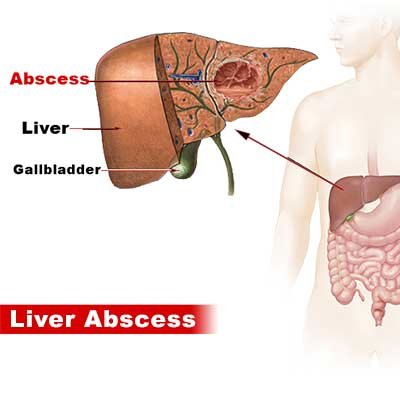
Liver Abscess – Infection in the Liver

A liver abscess is a collection of pus in the liver caused by bacterial, parasitic, or fungal infections. It commonly develops due to amoebic infection (Amoebic liver abscess) or bacterial spread from other parts of the body. Symptoms include fever, chills, abdominal pain (especially in the upper right side), nausea, and weight loss. If untreated, it can lead to serious complications such as rupture and sepsis. Diagnosis is usually done with ultrasound or CT scan, and treatment involves antibiotics or drainage of the abscess. Early detection and proper treatment lead to good recovery.

Liver Abscess – Infection in the Liver Read Post »

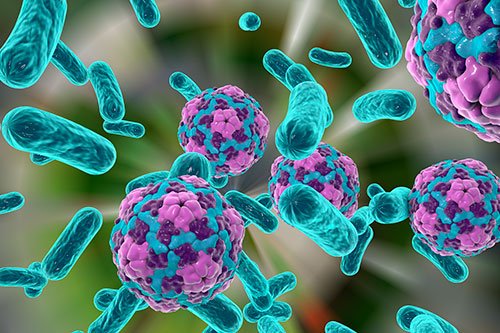
hepatitis e viral infection, 3d illustration. non enveloped rna
Female Health Issues, liver

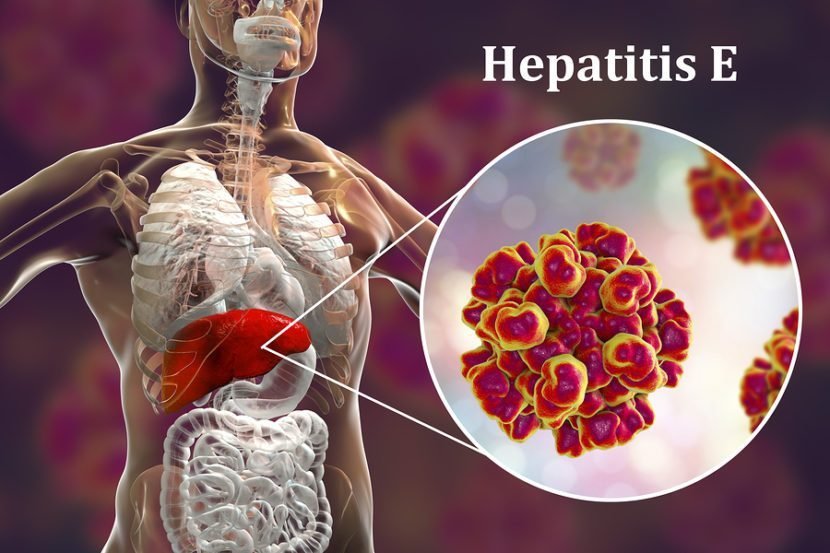
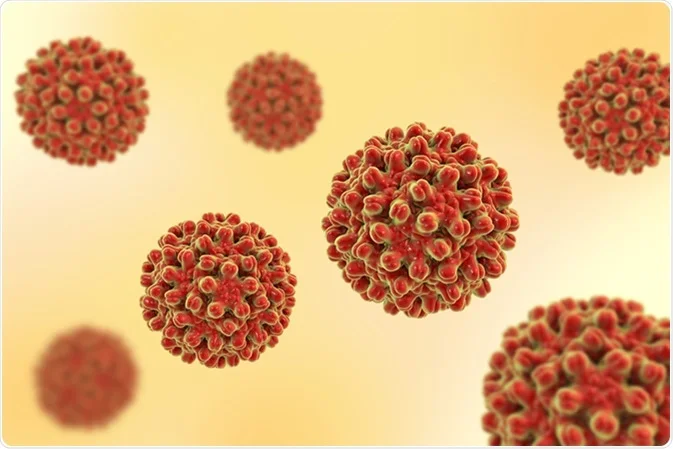
Hepatitis E – A Curable Liver Infection

Hepatitis E is a viral infection that causes inflammation of the liver, mainly spread through contaminated food and water. It is more common in areas with poor sanitation and usually results in an acute, short-term illness. Symptoms may include fever, fatigue, nausea, abdominal pain, and jaundice. Unlike other types of viral hepatitis, Hepatitis E generally does not become chronic and is considered curable, though it can be serious in pregnant women. Prevention is best achieved through safe drinking water, proper hygiene, and sanitation practices.

Hepatitis E – A Curable Liver Infection Read Post »

hepatitis d
liver

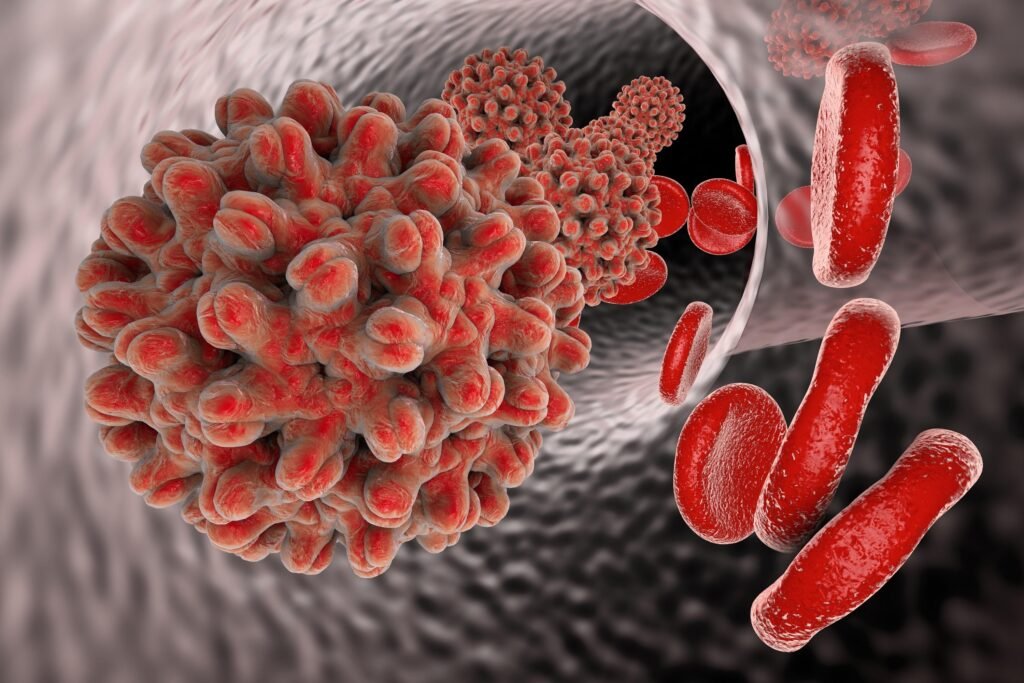
Hepatitis D (Delta Hepatitis)

Hepatitis D is a serious liver infection caused by the Hepatitis D virus (HDV), which is unique because it cannot infect a person on its own. It requires the presence of Hepatitis B virus (HBV) to multiply, so it only occurs in people already infected with Hepatitis B. The infection can be acute or chronic and often makes liver disease more severe, increasing the risk of cirrhosis and liver cancer. It spreads through contact with infected blood, unsafe injections, or unprotected sex. Vaccination against Hepatitis B is the most effective way to prevent Hepatitis D.

Hepatitis D (Delta Hepatitis) Read Post »

hepatitis c
Chronic diseases, liver

Hepatitis C

Hepatitis C is a viral infection that primarily affects the liver and is caused by the hepatitis C virus (HCV). Many people with hepatitis C do not experience symptoms in the early stages, but some may have fever, fatigue, nausea, abdominal pain, jaundice, dark urine, or clay-colored stools. The infection can become chronic, leading to serious liver damage such as cirrhosis or liver cancer if untreated. Hepatitis C spreads mainly through blood-to-blood contact, including sharing needles or contaminated medical equipment. While there is no vaccine, hepatitis C can be cured with antiviral medications in most cases.

Hepatitis C Read Post »

hepatitis b
Chronic diseases, liver

Hepatitis B

Hepatitis B is a liver infection caused by the hepatitis B virus (HBV) that can be acute or chronic. Symptoms often appear 1 to 4 months after exposure and may include fever, fatigue, loss of appetite, nausea, abdominal pain, dark urine, and jaundice. Some individuals may be asymptomatic, especially young children, while others develop severe liver disease including cirrhosis or liver cancer. The virus spreads through contact with infected blood or body fluids and from mother to child at birth. Vaccination is the most effective way to prevent hepatitis B infection.

Hepatitis B Read Post »

hepatitis a
Chronic diseases, liver

Hepatitis A

Hepatitis A is a contagious liver infection caused by the hepatitis A virus (HAV), commonly spread through contaminated food or water. Symptoms can include jaundice (yellowing of skin and eyes), fatigue, nausea, abdominal pain, and dark urine, usually appearing 2 to 7 weeks after exposure. The infection is generally acute and self-limiting, with no chronic liver disease, and prevention is possible through vaccination and hygiene measures.

Hepatitis A Read Post »

kidney problems during pregnancy
Female Health Issues, Kidney

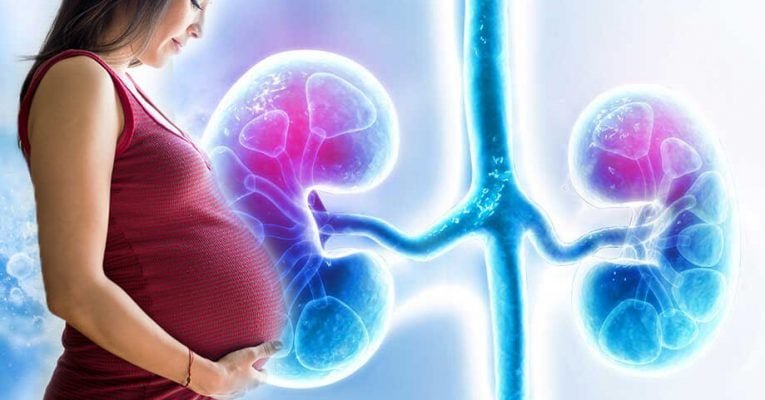
Kidney Problems During Pregnancy

Kidney problems during pregnancy can range from pre-existing chronic kidney disease to conditions that develop or worsen due to pregnancy. Common issues include urinary tract infections (UTIs), preeclampsia, acute kidney injury (AKI), and worsening of underlying kidney disorders. Pregnant women are more susceptible to infections and fluid–electrolyte imbalances because of hormonal and physiological changes in the urinary tract

Kidney Problems During Pregnancy Read Post »