liver hemangioma
liver

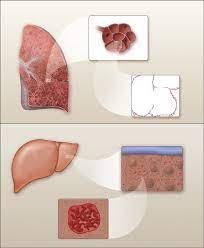
Liver Hemangioma

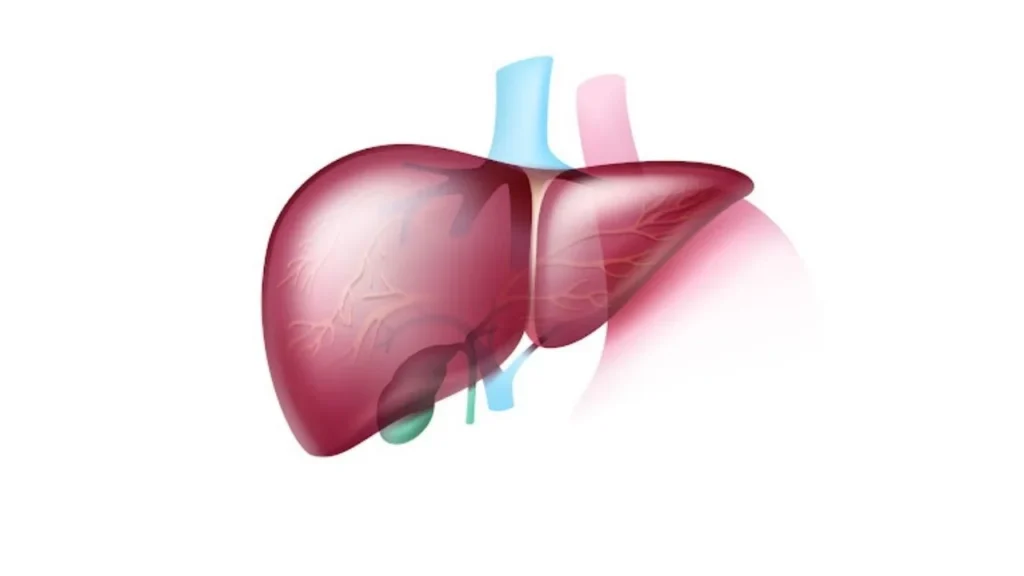
Liver Hemangioma is the most common benign (non-cancerous) tumor in the liver.
It is made up of a cluster of blood vessels.
Most cases are symptomless and found accidentally during scans.
Generally, no treatment is required unless it grows large.
Rarely, big hemangiomas may cause pain or abdominal discomfort.

Liver Hemangioma Read Post »

hepatoblastoma (childhood liver cancer)
liver

Hepatoblastoma (Childhood Liver Cancer)

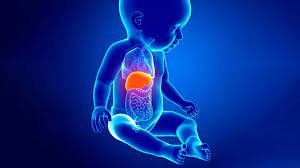
Hepatoblastoma is a rare type of liver cancer that mainly affects young children, usually under the age of 3. It develops from immature liver cells and may be linked to genetic conditions or premature birth. Symptoms can include abdominal swelling, pain, weight loss, jaundice, and loss of appetite. Early detection improves outcomes, but advanced cases may spread to the lungs. Treatment usually involves surgery, chemotherapy, and in some cases, liver transplantation.

Hepatoblastoma (Childhood Liver Cancer) Read Post »

liver angiosarcoma
liver

Liver Angiosarcoma

Liver Angiosarcoma is a rare and highly aggressive cancer that begins in the blood vessels of the liver. It is often linked to exposure to certain chemicals like vinyl chloride, arsenic, or thorium dioxide, though it can also occur without known risk factors. Symptoms may include abdominal pain, weight loss, jaundice, and an enlarged liver. Because it grows and spreads rapidly, it is usually diagnosed at an advanced stage. Treatment options are limited, often involving surgery, chemotherapy, or palliative care to manage symptoms.

Liver Angiosarcoma Read Post »

cholangiocarcinoma (bile duct cancer)
liver

Cholangiocarcinoma (Bile Duct Cancer)

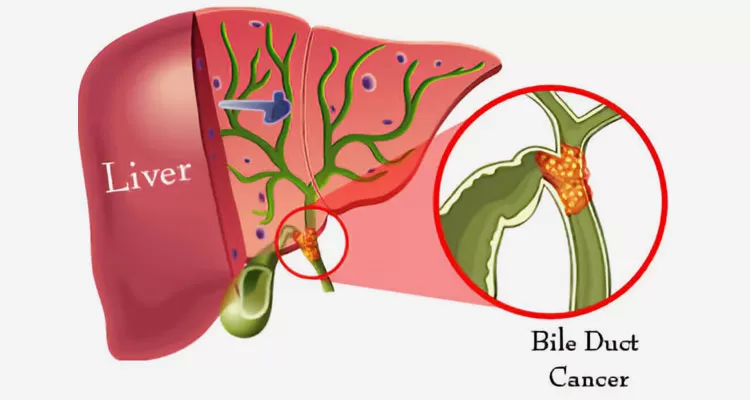
Cholangiocarcinoma is a rare but aggressive cancer that starts in the bile ducts, the tubes that carry bile from the liver to the intestine. Blockage of bile flow causes jaundice, abdominal pain, itchy skin, weight loss, and dark urine. It is often linked to chronic bile duct inflammation, liver flukes, or bile duct diseases like PSC. Because it grows silently, diagnosis usually happens at an advanced stage. Treatment may include surgery, liver transplant, chemotherapy, or targeted therapies, depending on the case.

Cholangiocarcinoma (Bile Duct Cancer) Read Post »

xr:d:dafybrf3jve:122,j:8685601239633762578,t:23111607
liver

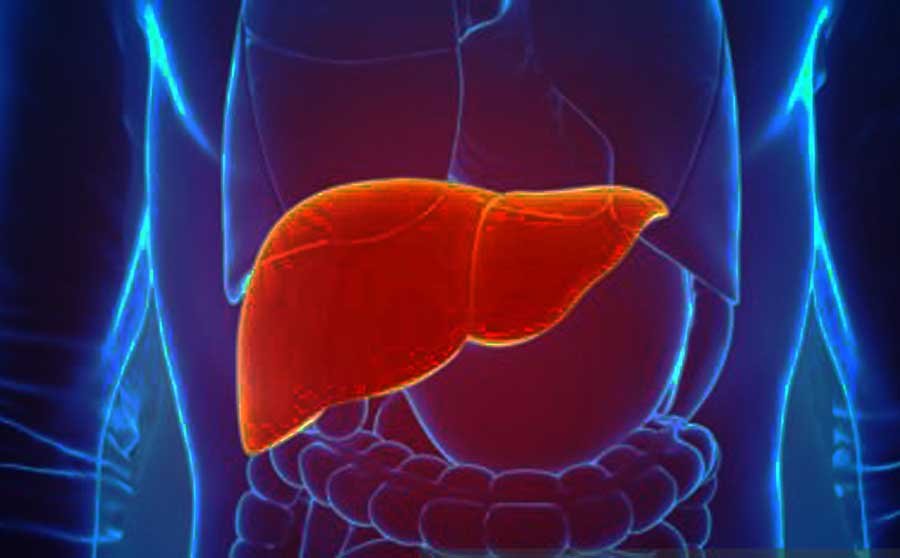
Liver Cancer (Hepatocellular Carcinoma – HCC)

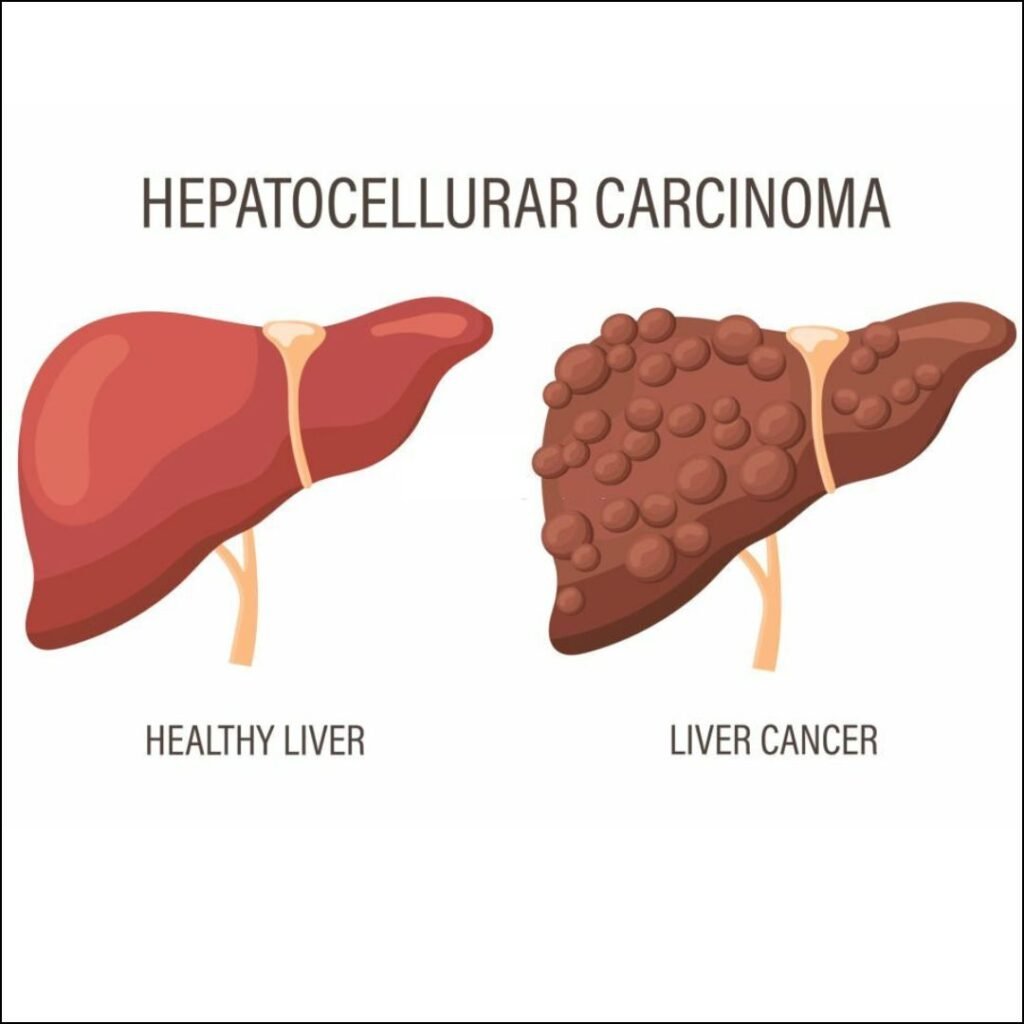
Liver Cancer (Hepatocellular Carcinoma – HCC) is the most common type of primary liver cancer, usually developing in people with chronic liver disease or cirrhosis. Risk factors include hepatitis B and C, alcohol abuse, fatty liver disease, and certain toxins. Symptoms may involve unexplained weight loss, abdominal pain, swelling, jaundice, and loss of appetite. HCC can spread quickly and cause serious liver failure if untreated. Treatment options include surgery, liver transplant, targeted medicines, and advanced therapies depending on stage and health condition.

Liver Cancer (Hepatocellular Carcinoma – HCC) Read Post »

alpha 1 antitrypsin deficiency and the liver
liver

Alpha-1 Antitrypsin Deficiency and the Liver

Alpha-1 Antitrypsin Deficiency (AATD) is a rare genetic disorder where the body does not produce enough of the protective protein alpha-1 antitrypsin. The abnormal protein can build up in the liver, leading to inflammation, scarring, and cirrhosis. Symptoms may include jaundice, fatigue, poor growth in children, and abdominal swelling. Adults with AATD may develop both chronic liver disease and lung problems (like emphysema). Treatment focuses on managing symptoms, avoiding liver stress, and liver transplant in severe cases.

Alpha-1 Antitrypsin Deficiency and the Liver Read Post »

hemochromatosis – iron overload in the liver
liver

Hemochromatosis – Iron Overload in the Liver

Hemochromatosis is a condition where the body absorbs and stores too much iron. The excess iron builds up in the liver, heart, and pancreas, causing long-term damage. Symptoms may include fatigue, joint pain, abdominal discomfort, skin darkening, and weakness. If untreated, it can progress to liver cirrhosis, diabetes, heart disease, or liver failure. Treatment usually involves phlebotomy (removing blood) or medicines to lower iron levels.

Hemochromatosis – Iron Overload in the Liver Read Post »

wilson’s disease – copper overload in the body
liver

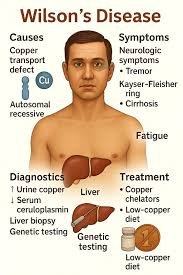
Wilson’s Disease – Copper Overload in the Body

Wilson’s Disease is a rare genetic disorder where the body cannot remove excess copper properly. This leads to copper buildup in the liver, brain, and other organs, causing damage over time. Symptoms may include jaundice, abdominal swelling, tremors, difficulty speaking, and mood changes. If untreated, it can progress to cirrhosis, liver failure, or neurological complications. Treatment involves lifelong medicines to remove excess copper and prevent further damage.

Wilson’s Disease – Copper Overload in the Body Read Post »

primary sclerosing cholangitis
Chronic diseases, liver

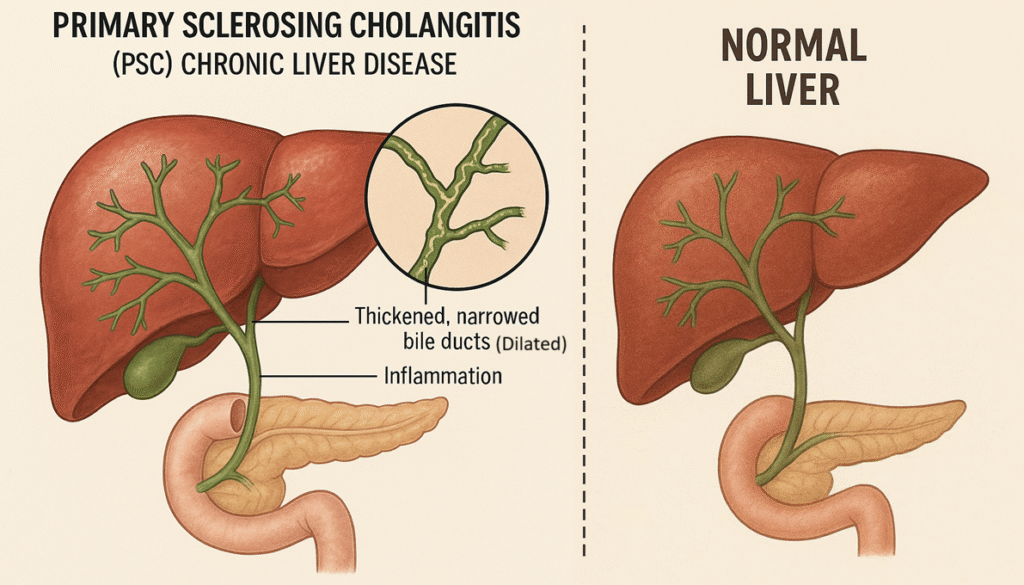
Primary Sclerosing Cholangitis (PSC) – Bile Duct Narrowing & Inflammation

Primary Sclerosing Cholangitis (PSC) is a rare, long-term liver disease where the bile ducts become inflamed, scarred, and narrowed. This prevents the normal flow of bile, leading to bile buildup, liver cell damage, and progressive scarring. Symptoms often include fatigue, jaundice, itching, and abdominal discomfort. Over time, PSC can cause repeated infections, cirrhosis, and even liver cancer. Since no cure currently exists, treatment mainly aims at relieving symptoms and considering liver transplantation in advanced stages.

Primary Sclerosing Cholangitis (PSC) – Bile Duct Narrowing & Inflammation Read Post »