
newborn bathe towel thumb 732x549
Child (below 4 years), liver

Neonatal Hepatitis

Neonatal Hepatitis is a liver inflammation that occurs in newborns, usually within the first few months of life.
It is most often caused by viral infections (like cytomegalovirus, rubella, or hepatitis viruses), but can also result from metabolic or genetic disorders.
Babies with this condition commonly show jaundice (yellowing of skin/eyes), poor feeding, and failure to gain weight.
Diagnosis is done through blood tests, liver function tests, and sometimes liver biopsy.
Treatment depends on the cause – supportive care, nutrition management, and in some cases, antiviral or specific therapies are needed.

Neonatal Hepatitis Read Post »

neonatal jaundice
Child (below 4 years)

Neonatal Jaundice

Neonatal jaundice is a common condition in newborns, marked by yellowing of the skin and eyes due to elevated bilirubin levels. It typically arises from the immature liver’s inability to process bilirubin efficiently. There are two types: physiological jaundice, which resolves within a couple of weeks, and pathological jaundice, which may indicate underlying health issues. Treatment includes monitoring bilirubin levels and may involve phototherapy or exchange transfusions. Early recognition and management are essential to prevent complications.

Neonatal Jaundice Read Post »

reyes syndrome
liver

Reye’s Syndrome

Reye’s Syndrome is a rare but serious condition that causes sudden swelling in the liver and brain. It often develops in children or teenagers recovering from viral infections like flu or chickenpox, especially if aspirin is used for fever. Symptoms may start with persistent vomiting, confusion, or unusual sleepiness and can rapidly progress to seizures or coma. The exact cause is not fully understood, but early diagnosis and supportive hospital care are critical for survival. Avoiding aspirin in children is the key preventive step.

Reye’s Syndrome Read Post »

metabolic syndrome
liver

Metabolic Syndrome and Liver Disease

Metabolic Syndrome is a cluster of conditions including obesity, insulin resistance, high blood pressure, and abnormal cholesterol levels. It is strongly linked to the development of Non-Alcoholic Fatty Liver Disease (NAFLD), which may progress to non-alcoholic steatohepatitis (NASH), fibrosis, and even cirrhosis. Excess fat deposition in the liver due to metabolic dysfunction is the hallmark feature. Early detection and management of obesity, diabetes, and dyslipidemia are crucial in preventing liver damage. Lifestyle modification through healthy diet, regular exercise, and weight control remains the cornerstone of treatment.

Metabolic Syndrome and Liver Disease Read Post »

fatty liver (general overview)
liver

Fatty Liver (General Overview)

Fatty Liver is a condition where excess fat builds up in the liver cells.
It is commonly linked to obesity, diabetes, alcohol use, and unhealthy lifestyle.
Most cases are mild, but severe fat accumulation can lead to inflammation and liver damage.
Symptoms may be absent in early stages, but fatigue, abdominal discomfort, and weakness can appear later.
Management includes healthy diet, exercise, avoiding alcohol, and medical guidance.

Fatty Liver (General Overview) Read Post »

choledochal cysts (bile duct cysts)
liver

Choledochal Cysts (Bile Duct Cysts)

Choledochal Cysts are rare congenital dilations (swellings) of the bile ducts.
They cause abnormal enlargement of bile ducts, leading to blockage of bile flow.
Symptoms include abdominal pain, jaundice, nausea, and sometimes pancreatitis.
If untreated, they may lead to infections, stones, or even bile duct cancer.
Treatment usually requires surgical removal of the cyst and bile duct reconstruction.

Choledochal Cysts (Bile Duct Cysts) Read Post »

biliary atresia
liver

Biliary Atresia

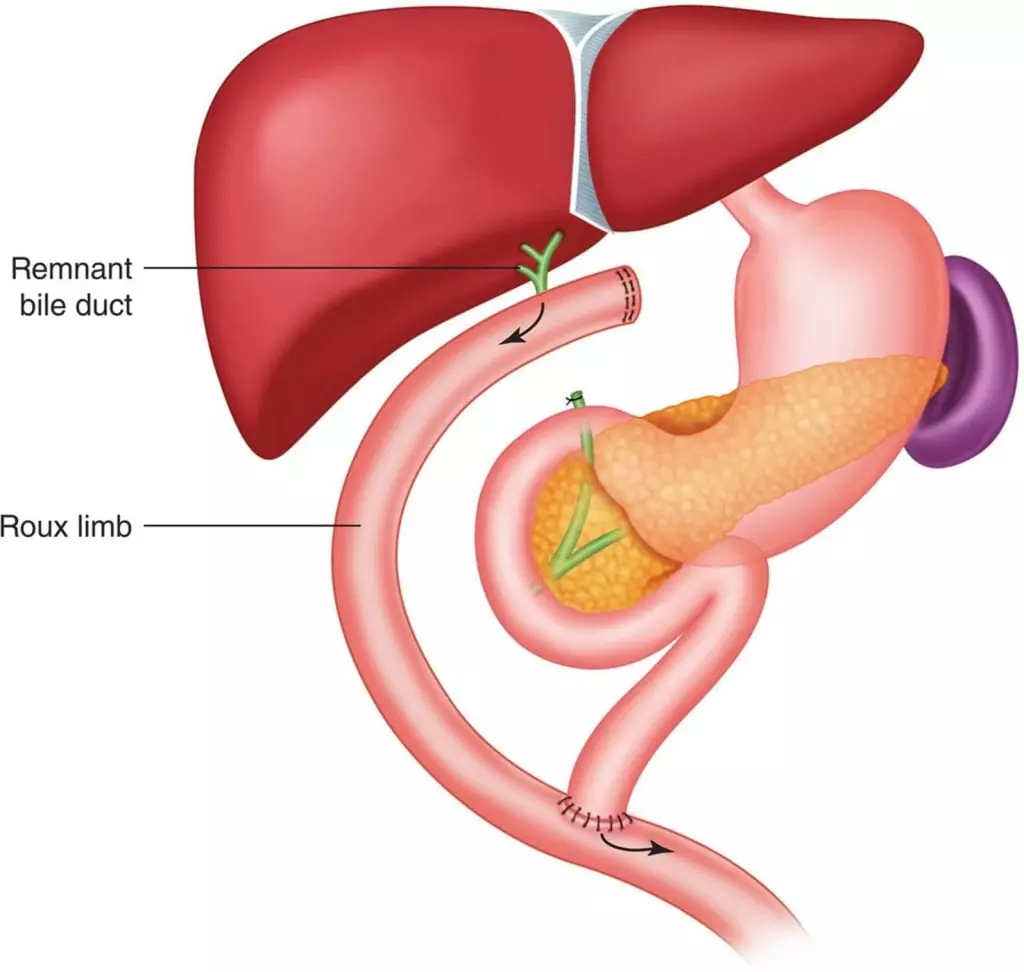
Biliary Atresia is a rare liver condition in infants where the bile ducts are blocked or absent.
This prevents bile from flowing out of the liver, leading to liver damage and scarring.
Symptoms usually appear within the first few weeks of life, including jaundice, dark urine, and pale stools.
If untreated, it can progress to cirrhosis and liver failure.
Treatment mainly involves surgery (Kasai procedure) or liver transplantation in severe cases.

Biliary Atresia Read Post »

polycystic liver disease (pld)
liver

Polycystic Liver Disease (PLD)

Polycystic Liver Disease (PLD) is a rare genetic condition where multiple fluid-filled cysts develop in the liver.
It is often associated with Polycystic Kidney Disease (PKD) but may also occur alone.
Most patients remain symptom-free, but large cysts can cause abdominal pain, bloating, or discomfort.
The disease usually does not affect liver function unless cysts are very extensive.
Treatment includes lifestyle management, aspiration of large cysts, or surgery in severe cases.

Polycystic Liver Disease (PLD) Read Post »

simple liver cyst
liver

Simple Liver Cyst

Simple Liver Cyst is a common fluid-filled sac in the liver.
It is usually non-cancerous and harmless.
Most people have no symptoms, and cysts are found incidentally on scans.
Large cysts may sometimes cause pain or abdominal discomfort.
Treatment is rarely needed unless the cyst becomes very big or troublesome.

Simple Liver Cyst Read Post »