upper vs lower uti
Female Health Issues, Kidney

Upper vs Lower UTI

Urinary Tract Infections (UTIs) are classified into upper and lower types.
Lower UTI affects the bladder (cystitis) and urethra, causing burning urination, urgency, and pelvic pain.
Upper UTI involves the kidneys (pyelonephritis), with fever, chills, nausea, and flank pain.
Upper UTIs are more serious and can lead to kidney damage or sepsis if untreated.
Early recognition and proper treatment help prevent complications in both types.

Upper vs Lower UTI Read Post »

catheter associated uti (cauti)
Female Health Issues, Kidney

Catheter-Associated UTI (CAUTI) – कैथेटर से जुड़ा मूत्र संक्रमण

Catheter-Associated UTI (CAUTI) is a urinary infection that develops in people using urinary catheters.
It is one of the most common hospital-acquired infections.
Risk increases with long-term catheter use, poor hygiene, and underlying illness.
Symptoms include fever, burning sensation, cloudy or foul-smelling urine, and pelvic pain.
Prevention focuses on limiting catheter use, maintaining hygiene, and timely catheter removal.

Catheter-Associated UTI (CAUTI) – कैथेटर से जुड़ा मूत्र संक्रमण Read Post »

complicated uti
Female Health Issues, Kidney

Complicated UTI (जटिल मूत्र संक्रमण)

Complicated UTI occurs when infection is linked to structural or medical problems in the urinary tract.
It is common in patients with diabetes, kidney stones, catheters, or weak immunity.
Symptoms may include fever, flank pain, burning urination, and blood in urine.
These infections are harder to treat and can spread to kidneys or bloodstream.
Accurate diagnosis, targeted antibiotics, and managing the underlying cause are vital.

Complicated UTI (जटिल मूत्र संक्रमण) Read Post »

recurrent uti
Female Health Issues, Kidney

Recurrent UTI (बार-बार होने वाला मूत्र संक्रमण)

Recurrent UTI means repeated urinary tract infections, usually defined as two or more in six months, or three or more in a year.
It is more common in women due to shorter urethra and hormonal factors.
Causes include incomplete bladder emptying, poor hygiene, kidney stones, or underlying health conditions.
Symptoms are similar to regular UTIs — burning urination, frequent urge, and pelvic discomfort.
Prevention includes hydration, proper hygiene, cranberry products, and medical evaluation for underlying causes.

Recurrent UTI (बार-बार होने वाला मूत्र संक्रमण) Read Post »

asymptomatic bacteriuria (silent uti)
Female Health Issues, Kidney

Asymptomatic Bacteriuria (Silent UTI)

Asymptomatic bacteriuria means bacteria are present in the urine without symptoms.
It is more common in women, older adults, and people with diabetes.
Usually, it does not require treatment unless in pregnancy or before urinary procedures.
Treating unnecessarily can lead to antibiotic resistance.
Screening and treatment are recommended only in specific high-risk groups.

Asymptomatic Bacteriuria (Silent UTI) Read Post »

pyelonephritis (kidney infection)
Kidney

Pyelonephritis (Kidney Infection)

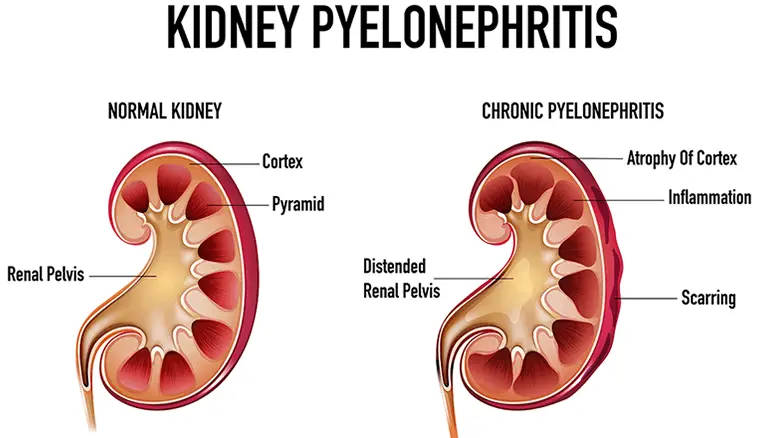
Pyelonephritis is a serious urinary tract infection that reaches the kidneys.
It is commonly caused by bacteria, often spreading upward from the bladder.
Symptoms include fever, chills, flank or back pain, nausea, and painful urination.
If untreated, it can lead to kidney damage, abscesses, or sepsis.
Prompt medical treatment with antibiotics and hydration is essential for recovery.

Pyelonephritis (Kidney Infection) Read Post »

cystitis (bladder infection)
Female Health Issues, Kidney

Cystitis (Bladder Infection)

Cystitis, commonly known as a bladder infection, is an inflammation caused mainly by bacterial infection, particularly E. coli. Symptoms include a frequent urge to urinate, burning during urination, and cloudy urine. Diagnosis typically involves urinalysis and urine culture to identify the causative bacteria. Treatment generally consists of antibiotics and pain relief. Preventive measures include proper hygiene and staying well-hydrated.

Cystitis (Bladder Infection) Read Post »

urethritis
Chronic diseases, Male Health Issues

Urethritis

Urethritis is an inflammation of the urethra, the tube that carries urine out of the body from the bladder. It can be caused by infections, often due to sexually transmitted infections (STIs) such as gonorrhea and chlamydia, but can also result from non-infectious causes, such as irritants or trauma. Symptoms typically include pain during urination, increased urinary frequency or urgency, and discharge from the urethra. Diagnosis is commonly made through urine tests, swabs, or cultures to identify the underlying cause. Treatment often involves antibiotics for bacterial infections, and it’s essential to address any STIs or related complications. Preventative measures include practicing safe sex and maintaining good hygiene. If you suspect you have urethritis, it’s important to seek medical attention for a proper diagnosis and treatment plan.

Urethritis Read Post »

chronic liver
Chronic diseases, liver

Chronic Liver Failure (CLF)

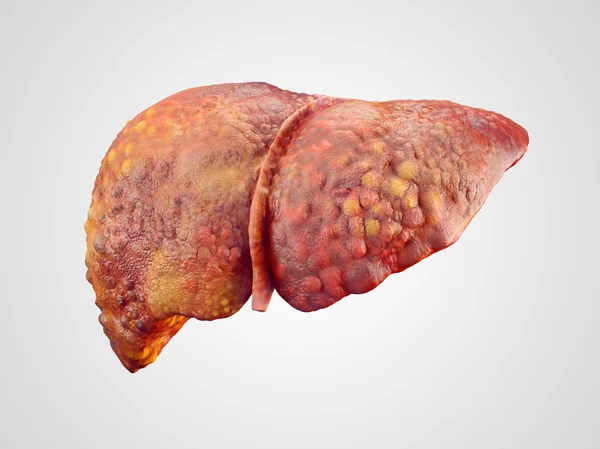
Chronic Liver Failure (CLF), also called end-stage liver disease, develops gradually over months to years due to long-term liver damage.
The most common causes include chronic hepatitis infections, alcohol abuse, non-alcoholic fatty liver disease, and cirrhosis.
Symptoms often include jaundice, abdominal swelling (ascites), easy bruising or bleeding, fatigue, and confusion (hepatic encephalopathy).
It is a progressive and serious condition, where the liver gradually loses its ability to function.
Management includes lifestyle changes, medications, treating underlying cause, and in advanced cases, liver transplantation may be required.

Chronic Liver Failure (CLF) Read Post »

acute liver failure
liver

Acute Liver Failure (ALF)

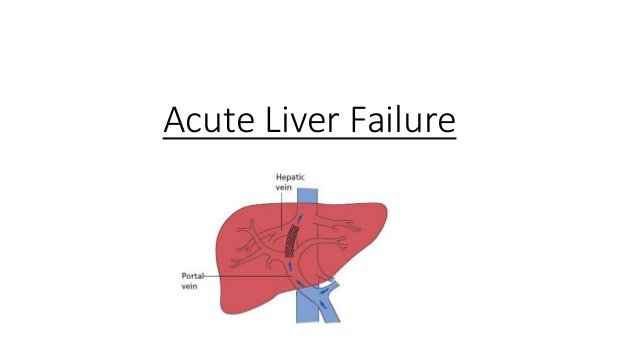
Acute Liver Failure (ALF) is a rapid loss of liver function that develops within days or weeks in a person without pre-existing liver disease.
It is most often caused by viral hepatitis, drug-induced liver injury (especially paracetamol/acetaminophen overdose), or toxins.
Symptoms include jaundice, confusion, easy bleeding, and swelling.
It is a life-threatening emergency, requiring immediate hospitalization.
Treatment depends on the cause—supportive intensive care, medications, and in severe cases, liver transplantation may be necessary.

Acute Liver Failure (ALF) Read Post »