Female Health Issues, Gynecology

Uterine Prolapse

Uterine Prolapse occurs when the uterus descends from its normal position into the vaginal canal.
It is often caused by weakening of pelvic floor muscles due to childbirth, aging, or hormonal changes.
Symptoms include a feeling of heaviness or pressure in the pelvis, urinary or bowel problems, and vaginal bulging.
Risk factors include multiple vaginal deliveries, obesity, chronic coughing, and connective tissue disorders.
Treatment includes pelvic floor exercises (Kegels), pessary devices, lifestyle modifications, and surgery in severe cases.
Uterine Prolapse Read Post »

Female Health Issues, Gynecology

Ovarian Cysts

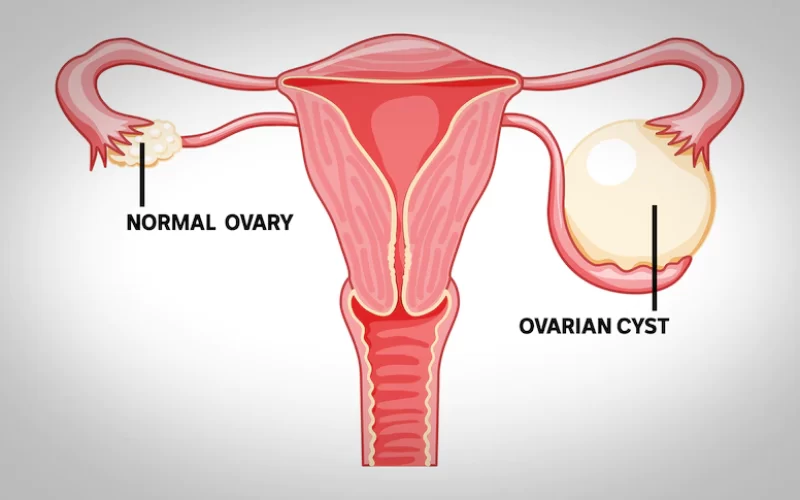
Ovarian cysts are fluid-filled sacs that develop on or inside the ovaries.
They are common in women of reproductive age and are often benign.
Most cysts are asymptomatic, but larger cysts may cause pelvic pain, bloating, or menstrual irregularities.
Risk factors include hormonal imbalance, endometriosis, pregnancy, and severe pelvic infections.
Treatment depends on size, type, and symptoms, ranging from monitoring to medications or surgical removal.

Ovarian Cysts Read Post »

Female Health Issues, Gynecology

Uterine Fibroids (Leiomyomas)

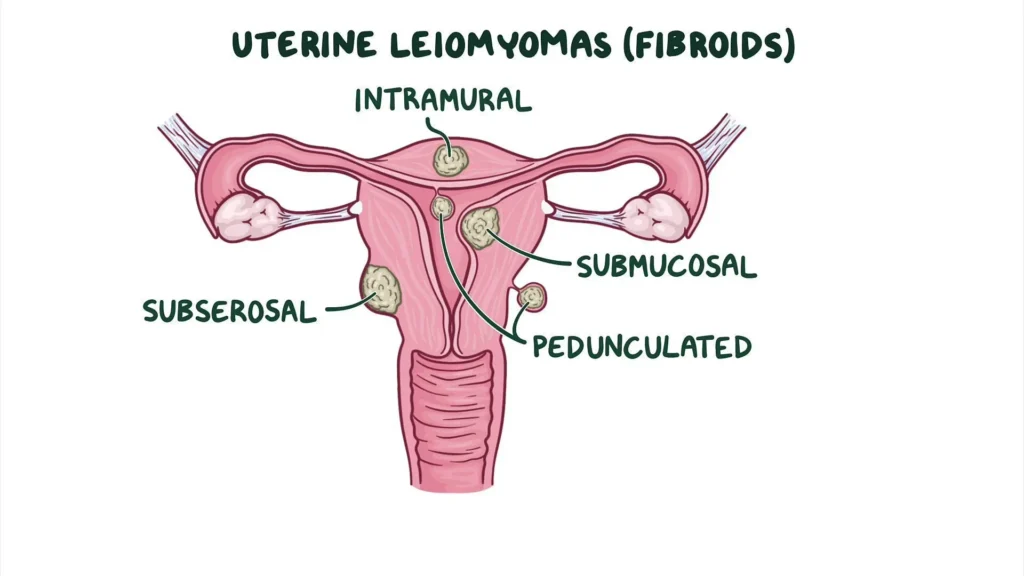
Uterine Fibroids, also called Leiomyomas or Myomas, are noncancerous growths of the uterus.
They often appear during childbearing years and vary in size from tiny seedlings to large masses.
Common symptoms include heavy menstrual bleeding, pelvic pain, frequent urination, and infertility.
Risk factors include family history, obesity, early puberty, and hormonal imbalance (estrogen/progesterone).
Treatment options include medications, hormone therapy, minimally invasive procedures, or surgery

Uterine Fibroids (Leiomyomas) Read Post »

Female Health Issues, Gynecology

Endometriosis

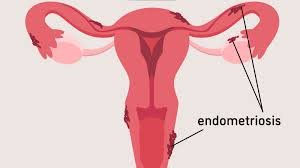
Endometriosis is a chronic condition where tissue similar to the uterine lining grows outside the uterus.
It commonly affects ovaries, fallopian tubes, and pelvic lining, causing pain and complications.
Symptoms include painful periods, pelvic pain, heavy bleeding, infertility, and pain during intercourse.
The exact cause is unclear but factors include genetics, retrograde menstruation, and hormonal imbalance.
Treatment involves pain management, hormone therapy, and surgery in severe cases.

Endometriosis Read Post »

Female Health Issues, Gynecology

Menopause and Related Issues

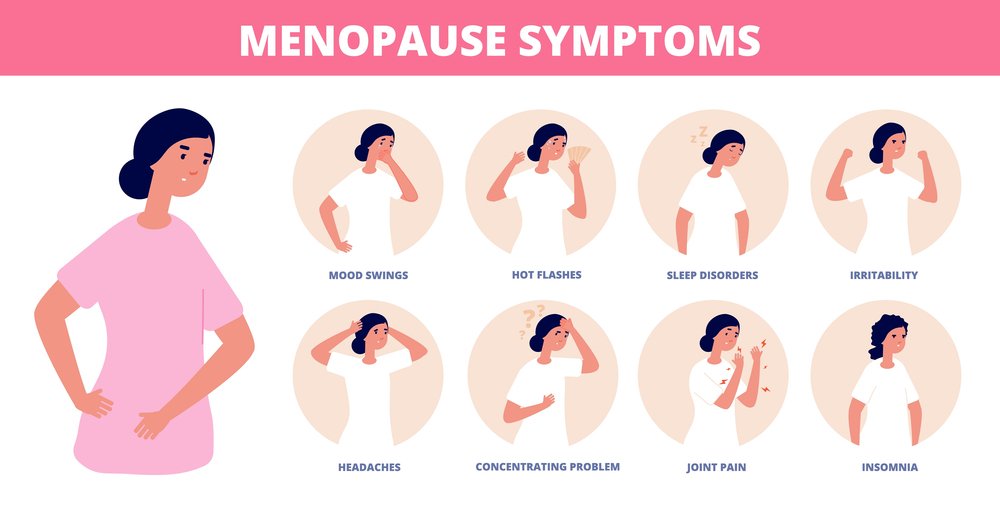
Menopause is the natural end of menstruation, usually occurring between ages 45–55.
It results from a decline in ovarian hormone production, especially estrogen and progesterone.
Common symptoms include hot flashes, night sweats, mood swings, vaginal dryness, and sleep disturbances.
Long-term issues may include osteoporosis, heart disease risk, and urinary problems.
Management includes lifestyle changes, hormone replacement therapy (HRT), and supportive care for symptom relief.

Menopause and Related Issues Read Post »

Female Health Issues, Gynecology

Premenstrual Syndrome (PMS)

Premenstrual Syndrome (PMS) refers to physical, emotional, and behavioral symptoms that occur before menstruation.
Common symptoms include mood swings, irritability, bloating, breast tenderness, headaches, and fatigue.
It usually starts a few days to two weeks before periods and improves once menstruation begins.
Hormonal fluctuations, stress, poor diet, and lifestyle factors may contribute to PMS.
Treatment includes exercise, stress management, balanced diet, medications, and lifestyle modifications.

Premenstrual Syndrome (PMS) Read Post »

Female Health Issues, Gynecology

Polycystic Ovary Syndrome (PCOS / PCOD)

Polycystic Ovary Syndrome (PCOS/PCOD) is a common hormonal disorder in women of reproductive age.
It causes irregular periods, excess androgen (male hormone) levels, and multiple small cysts on the ovaries.
Symptoms include weight gain, acne, excessive hair growth, hair thinning, and infertility.
PCOS is strongly linked to insulin resistance, increasing the risk of diabetes and metabolic syndrome.
Treatment focuses on lifestyle changes, weight management, medications, and managing fertility issues.

Polycystic Ovary Syndrome (PCOS / PCOD) Read Post »

Female Health Issues, Gynecology

Irregular Menstrual Cycles

Irregular menstrual cycles are when the timing, flow, or duration of periods varies significantly.
Common causes include hormonal imbalance, PCOS, thyroid disorders, stress, weight changes, or excessive exercise.
Cycles may be shorter, longer, skipped, or involve unusually heavy/light bleeding.
Symptoms often include mood swings, acne, hair growth, infertility issues, and unpredictable bleeding.
Treatment focuses on correcting the underlying cause through lifestyle changes, medications, or hormone therapy.

Irregular Menstrual Cycles Read Post »

Female Health Issues, Gynecology

Menorrhagia

Menorrhagia is abnormally heavy or prolonged menstrual bleeding.
It may cause soaking through pads/tampons every hour, passing large blood clots, or periods lasting more than 7 days.
Common causes include hormonal imbalance, fibroids, polyps, thyroid disorders, or bleeding disorders.
Symptoms often include fatigue, weakness, and anemia due to blood loss.
Treatment depends on the cause and may involve medications, hormone therapy, or surgical options like endometrial ablation or hysterectomy.

Menorrhagia Read Post »

Female Health Issues

Dysmenorrhea

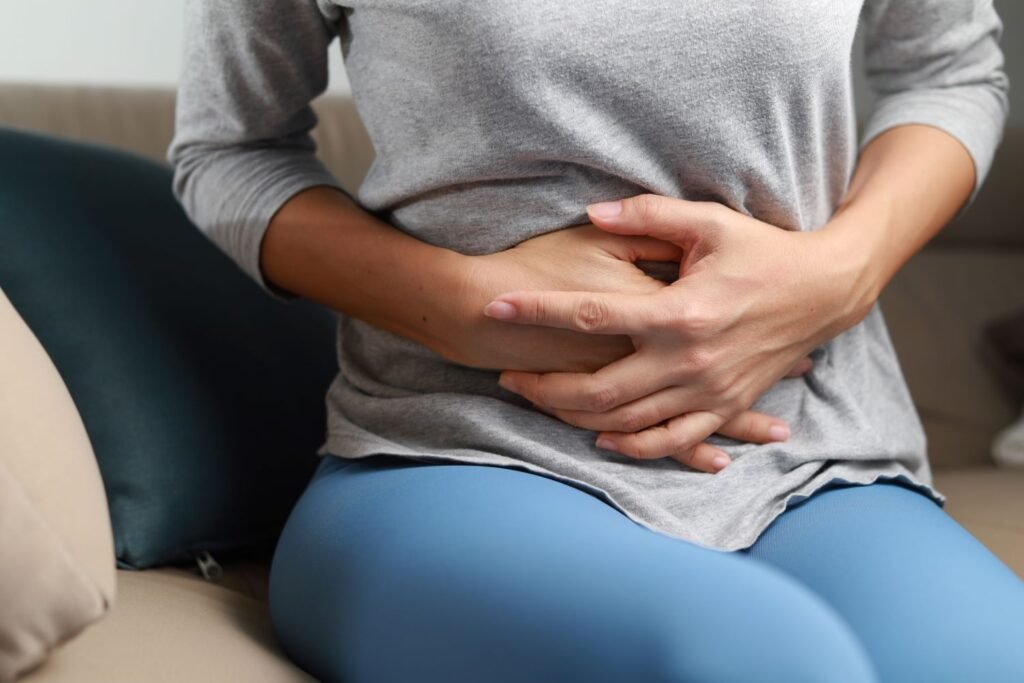
Dysmenorrhea refers to painful menstrual cramps that occur before or during periods.
It is classified as primary (without underlying disease, usually starting in adolescence) or secondary (caused by conditions like endometriosis or fibroids).
Symptoms include lower abdominal pain, back pain, nausea, headache, and fatigue.
Risk factors include early puberty, heavy bleeding, smoking, and family history.
Treatment involves pain relievers, heat therapy, exercise, stress management, and treating underlying conditions if present.

Dysmenorrhea Read Post »