Female Health Issues, Gynecology

Preeclampsia

Preeclampsia is a pregnancy complication characterized by high blood pressure and signs of organ damage, often involving the liver or kidneys.
It usually develops after 20 weeks of pregnancy in women with previously normal blood pressure.
Symptoms include severe headaches, swelling of hands and face, vision problems, and sudden weight gain.
Risk factors include first pregnancies, multiple pregnancies, obesity, diabetes, and family history of hypertension.
Treatment involves close monitoring, medications to control blood pressure, and delivery of the baby if the condition becomes severe.
Preeclampsia Read Post »

Female Health Issues, Gynecology

Ectopic Pregnancy

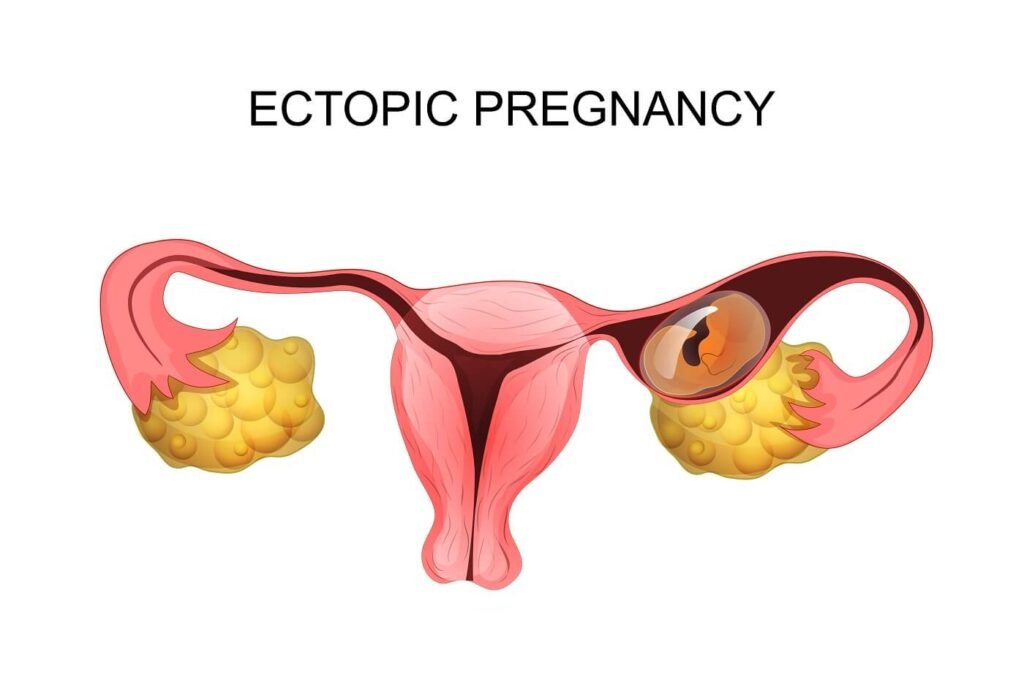
Ectopic Pregnancy occurs when a fertilized egg implants outside the uterus, most commonly in a fallopian tube.
It cannot develop into a normal pregnancy and poses serious health risks to the mother.
Symptoms include abdominal pain, vaginal bleeding, dizziness, and shoulder pain in severe cases.
Risk factors include pelvic infections, previous ectopic pregnancy, fallopian tube damage, and infertility treatments.
Treatment involves medication (methotrexate) or surgery to remove the ectopic tissue and prevent complications.

Ectopic Pregnancy Read Post »

Female Health Issues, Gynecology

Recurrent Miscarriage (Recurrent Pregnancy Loss)

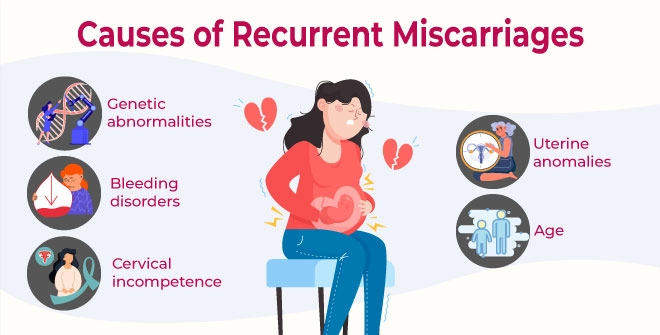
Recurrent Miscarriage, also called Recurrent Pregnancy Loss (RPL), is defined as two or more consecutive pregnancy losses.
It can result from genetic abnormalities, hormonal imbalances, uterine abnormalities, or immune system problems.
Other factors include uncontrolled diabetes, thyroid disorders, clotting disorders, and lifestyle habits.
Symptoms are repeated miscarriages usually before 20 weeks of pregnancy, often with emotional distress.
Treatment depends on the cause and may involve genetic counseling, medications, surgery, or assisted reproductive techniques.

Recurrent Miscarriage (Recurrent Pregnancy Loss) Read Post »

Female Health Issues, Gynecology, Male Health Issues

Infertility

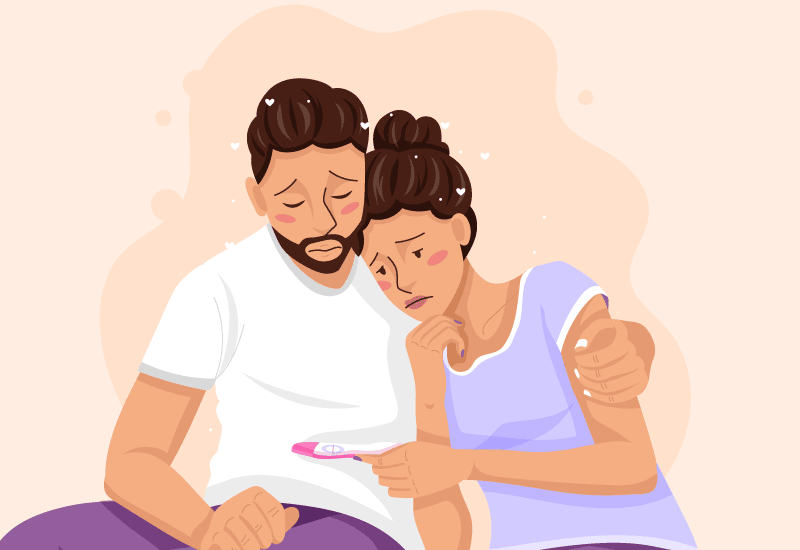
Infertility is the inability to conceive after 12 months of regular, unprotected sexual intercourse.
It can affect both men and women due to hormonal, structural, genetic, or lifestyle-related causes.
In women, common causes include ovulation disorders, blocked fallopian tubes, and uterine conditions.
In men, low sperm count, poor sperm motility, or hormonal imbalance may contribute.
Treatment options include medications, assisted reproductive technologies (IVF, IUI), surgery, and lifestyle modifications.

Infertility Read Post »

Female Health Issues, Gynecology

Atrophic Vaginitis

Atrophic Vaginitis, also known as Genitourinary Syndrome of Menopause, is thinning and inflammation of the vaginal walls.
It occurs due to decreased estrogen levels, especially after menopause.
Symptoms include vaginal dryness, itching, burning, pain during intercourse, and recurrent urinary infections.
Risk factors include aging, menopause, surgical removal of ovaries, and certain cancer treatments.
Treatment involves estrogen therapy (local or systemic), lubricants, and lifestyle measures to maintain vaginal health.

Atrophic Vaginitis Read Post »

Female Health Issues, Gynecology

Vaginitis

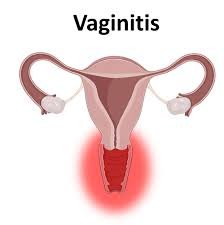
Vaginitis is the inflammation or infection of the vagina, often caused by bacteria, yeast, or parasites.
Common types include Bacterial Vaginosis, Candidiasis (Yeast Infection), and Trichomoniasis.
Symptoms include abnormal vaginal discharge, itching, burning, odor, and pain during intercourse or urination.
Risk factors include poor hygiene, frequent douching, uncontrolled diabetes, and unprotected sex.
Treatment depends on the cause and may involve antibiotics, antifungal medications, or antiparasitic drugs.

Vaginitis Read Post »

Female Health Issues, Gynecology

Bacterial Vaginosis (BV)

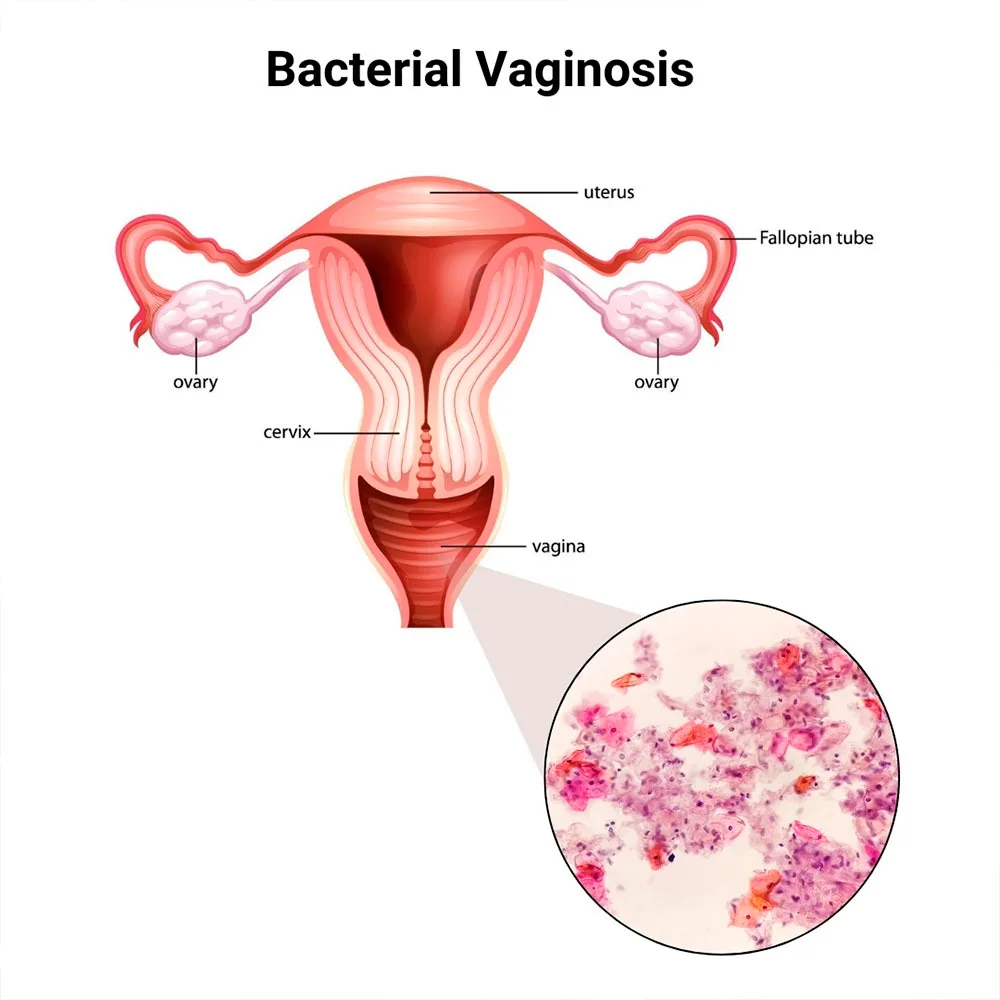
Bacterial Vaginosis (BV) is a common vaginal infection caused by an imbalance of normal vaginal bacteria.
It often occurs when harmful bacteria outgrow protective lactobacilli in the vagina.
Symptoms include thin grayish-white vaginal discharge, strong fishy odor, itching, and burning sensation.
BV is not strictly a sexually transmitted infection but is more common in sexually active women.
Treatment involves antibiotics like metronidazole or clindamycin, and maintaining vaginal hygiene helps prevent recurrence.

Bacterial Vaginosis (BV) Read Post »

Female Health Issues, Gynecology, Male Health Issues

Trichomoniasis

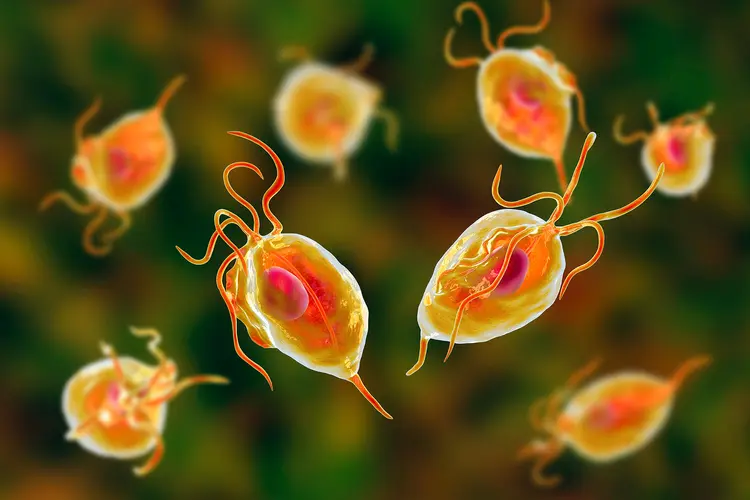
Trichomoniasis is a common sexually transmitted infection (STI) caused by the parasite Trichomonas vaginalis.
It often affects the vagina in women and the urethra in men.
Symptoms include vaginal discharge with foul odor, itching, burning sensation, pain during urination, and discomfort during sex.
Many infected men may remain asymptomatic but can still spread the infection.
Treatment usually involves prescription antibiotics such as metronidazole or tinidazole, and safe sex practices help prevent recurrence.

Trichomoniasis Read Post »

Female Health Issues, Gynecology

Pelvic Inflammatory Disease (PID)

Pelvic Inflammatory Disease (PID) is an infection of the female reproductive organs, including the uterus, fallopian tubes, and ovaries.
It is commonly caused by untreated sexually transmitted infections (STIs) such as chlamydia or gonorrhea.
Symptoms include pelvic pain, abnormal vaginal discharge, fever, irregular bleeding, and painful intercourse.
If untreated, PID can lead to infertility, ectopic pregnancy, and chronic pelvic pain.
Treatment involves antibiotics, hospitalization in severe cases, and preventive measures like safe sexual practices.

Pelvic Inflammatory Disease (PID) Read Post »

Female Health Issues, Gynecology

Vaginal Prolapse

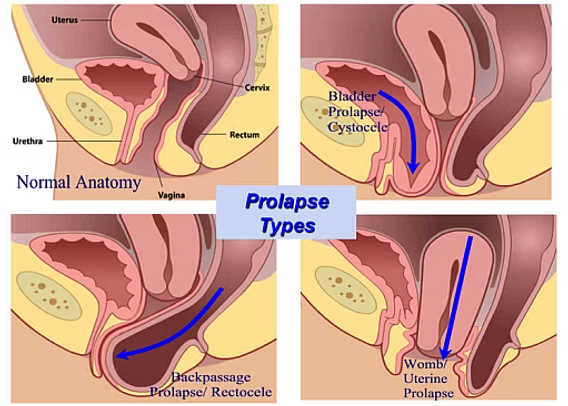
Vaginal Prolapse occurs when the vaginal walls lose support and bulge into or outside the vaginal canal.
It is often caused by childbirth, aging, menopause, obesity, or weakening of pelvic floor muscles.
Symptoms include a feeling of heaviness, vaginal bulging, urinary or bowel difficulties, and discomfort during intercourse.
Risk factors include multiple vaginal deliveries, chronic coughing, heavy lifting, and connective tissue disorders.
Treatment involves pelvic floor exercises, pessary devices, lifestyle changes, and surgery for severe cases.

Vaginal Prolapse Read Post »