
Mental health challenges (Gen 'Z's, Mental health challenges / Issues

Social Media Induced Stress

Excessive use of social media can lead to stress, anxiety, and negative self-comparison.
Constant notifications and exposure to curated content may cause feelings of inadequacy or FOMO (fear of missing out).
Symptoms include irritability, sleep disturbances, decreased productivity, and mood swings.
Overuse can affect relationships, mental health, and overall well-being.
Management involves digital detox, time management, mindful usage, and prioritizing real-life interactions.

Social Media Induced Stress Read Post »

Mental health challenges (Gen 'Z's, Mental health challenges / Issues

Loneliness & Emotional Isolation

Loneliness is the feeling of being disconnected or isolated from others, even when surrounded by people.
Emotional isolation occurs when individuals suppress feelings or avoid sharing emotions, leading to a sense of emptiness.
Symptoms include sadness, low motivation, anxiety, and difficulty forming meaningful relationships.
Prolonged loneliness can affect mental and physical health, including sleep disturbances and weakened immunity.
Addressing it involves social connection, emotional expression, therapy, and engaging in meaningful activities.

Loneliness & Emotional Isolation Read Post »

Mental health challenges (Gen 'Z's, Mental health challenges / Issues

ADHD & Concentration Issues

Attention Deficit Hyperactivity Disorder (ADHD) is a neurodevelopmental condition affecting focus, impulse control, and activity levels.
Individuals with ADHD may struggle with sustaining attention, organizing tasks, and completing work efficiently.
Symptoms include distractibility, restlessness, forgetfulness, and difficulty following instructions.
Causes involve genetics, brain chemistry, and environmental factors.
Management includes behavioral therapy, structured routines, medication, and supportive strategies to improve focus and productivity.

ADHD & Concentration Issues Read Post »

Mental health challenges (Gen 'Z's, Mental health challenges / Issues

Stress & Burnout

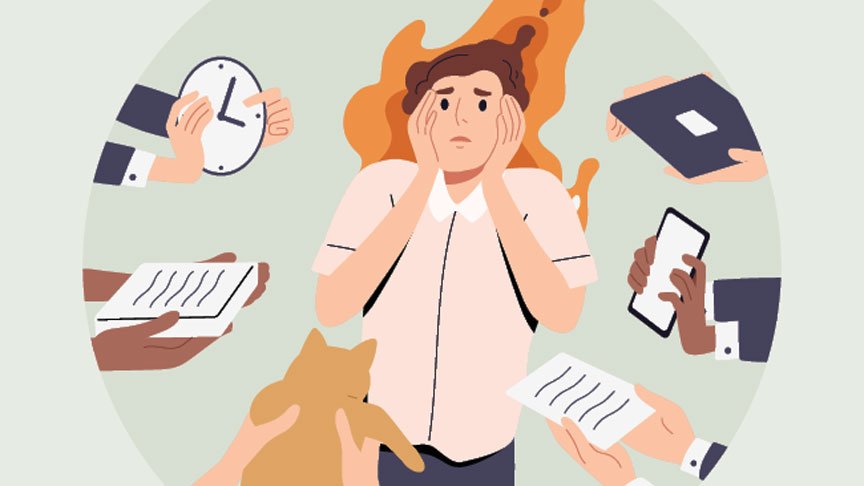
Stress and burnout occur when prolonged pressure overwhelms the mind and body.
They often develop from chronic work demands, emotional strain, or lifestyle imbalance.
Common signs include fatigue, irritability, poor sleep, and loss of motivation.
Burnout may lead to decreased performance, detachment, and even physical illness.
Relaxation techniques, balanced routines, and professional support help in recovery.

Stress & Burnout Read Post »

Mental health challenges (Gen 'Z's, Mental health challenges / Issues

Sleep Disorders

Sleep disorders are conditions that affect the quality, timing, or amount of sleep.
Common types include insomnia, sleep apnea, restless leg syndrome, and narcolepsy.
They lead to daytime fatigue, irritability, poor concentration, and reduced productivity.
Causes may involve stress, lifestyle, medical conditions, or mental health issues.
Treatment includes sleep hygiene, therapy, medications, or addressing underlying causes.

Sleep Disorders Read Post »

Mental health challenges (Gen 'Z's, Mental health challenges / Issues

Panic Disorder

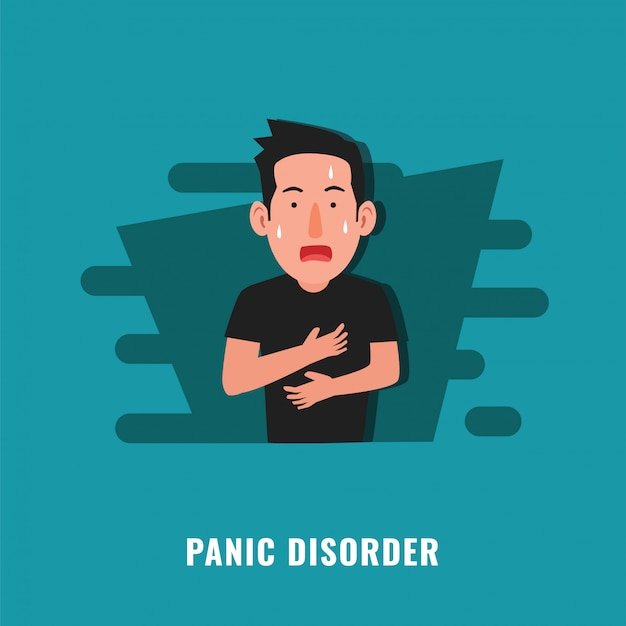
Panic Disorder is a mental health condition characterized by sudden and repeated episodes of intense fear or discomfort (panic attacks).
These attacks may cause rapid heartbeat, shortness of breath, dizziness, chest pain, or feelings of losing control.
Panic attacks often occur unexpectedly and can lead to fear of future episodes.
The condition may cause avoidance of certain places or situations, reducing quality of life.
Treatment includes cognitive-behavioral therapy (CBT), relaxation techniques, lifestyle changes, and sometimes medication.

Panic Disorder Read Post »

Mental health challenges (Gen 'Z's, Mental health challenges / Issues

Social Anxiety Disorder – “The Fear of Being Judged”

Social Anxiety Disorder is a mental health condition where individuals experience intense fear of being judged or embarrassed in social situations.
It often leads to avoidance of social gatherings, public speaking, or interactions with strangers.
Symptoms include blushing, sweating, trembling, rapid heartbeat, and extreme self-consciousness.
The condition can interfere with education, career, and relationships.
Treatment includes cognitive-behavioral therapy (CBT), exposure therapy, relaxation techniques, and sometimes medication.

Social Anxiety Disorder – “The Fear of Being Judged” Read Post »

Mental health challenges (Gen 'Z's, Mental health challenges / Issues

Generalized Anxiety Disorder (GAD) – “When Worry Becomes Constant”

Generalized Anxiety Disorder (GAD) is a mental health condition marked by persistent and excessive worry about everyday situations.
People with GAD often feel restless, tense, or irritable and struggle to control their worrying.
Physical symptoms may include fatigue, headaches, muscle tension, rapid heartbeat, and sleep problems.
The condition can interfere with work, relationships, and overall quality of life.
Treatment involves cognitive-behavioral therapy (CBT), relaxation techniques, lifestyle adjustments, and sometimes medication.

Generalized Anxiety Disorder (GAD) – “When Worry Becomes Constant” Read Post »

Mental health challenges (Gen 'Z's, Mental health challenges / Issues

Depression

Depression is a mood disorder that causes persistent sadness, hopelessness, and loss of interest in daily activities.
It affects emotions, thoughts, physical health, and overall quality of life.
Common symptoms include fatigue, sleep changes, poor concentration, and withdrawal from social life.
Causes may involve genetics, brain chemistry, trauma, or chronic stress.
Treatment includes therapy, lifestyle changes, social support, and medications when necessary.

Depression Read Post »

Mental health challenges (Gen 'Z's, Mental health challenges / Issues

Anxiety – “When Your Mind’s Alarm Rings Too Often”

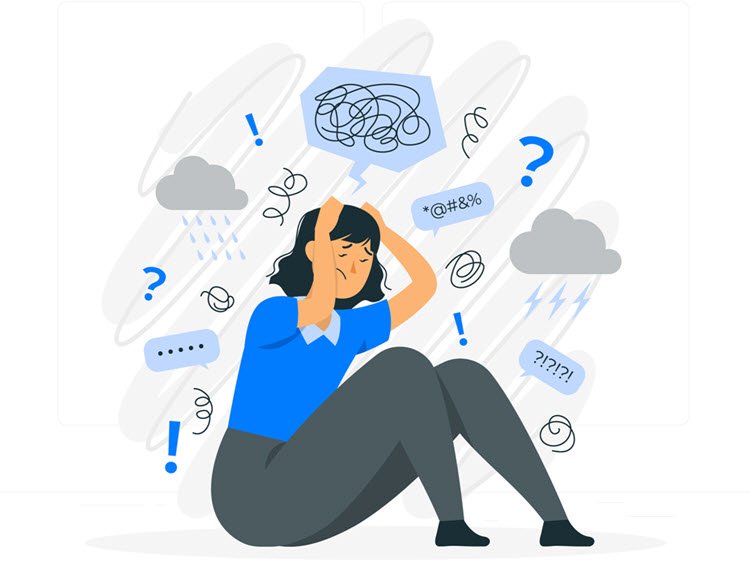
Anxiety is a mental health condition where the mind perceives threats or danger excessively, even when none exist.
It triggers a “fight or flight” response, causing symptoms like restlessness, rapid heartbeat, sweating, and tension.
Chronic anxiety can affect daily functioning, concentration, sleep, and overall well-being.
Causes include genetics, brain chemistry, stressful life events, and personality traits.
Management involves therapy, stress-reduction techniques, lifestyle changes, and, in some cases, medication.

Anxiety – “When Your Mind’s Alarm Rings Too Often” Read Post »