Constipation

Neurogenic (Neurological) Constipation

Neurogenic Constipation occurs when nerve-related disorders interfere with normal bowel movement control.
It is commonly seen in conditions like spinal cord injury, multiple sclerosis, Parkinson’s disease, or stroke.
Patients experience infrequent stools, straining, bloating, and incomplete evacuation due to poor nerve signaling.
The problem arises from disrupted communication between the brain, spinal cord, and intestinal muscles.
Management includes bowel training, dietary changes, medications, and sometimes electrical or physical stimulation therapies.

Neurogenic (Neurological) Constipation Read Post »

Constipation

Endocrine & Metabolic Constipation (Secondary Constipation)

Endocrine & Metabolic Constipation, also called Secondary Constipation, occurs due to hormonal or metabolic disorders.
Common causes include hypothyroidism, diabetes, hypercalcemia, and pregnancy-related hormonal changes.
Patients may experience infrequent bowel movements, bloating, fatigue, and systemic symptoms related to the underlying condition.
This type of constipation is secondary to another health problem rather than a primary bowel disorder.
Treatment focuses on managing the underlying disease along with dietary, lifestyle, and constipation-specific therapies.

Endocrine & Metabolic Constipation (Secondary Constipation) Read Post »

Constipation

Irritable Bowel Syndrome with Constipation (IBS-C)

IBS-C is a functional gastrointestinal disorder characterized by abdominal pain and infrequent, hard, or difficult bowel movements.
Symptoms include bloating, discomfort, straining, and a sensation of incomplete evacuation.
Triggers often involve certain foods, stress, hormonal changes, or gut motility issues.
Though it does not cause permanent damage to the intestines, it can significantly affect quality of life.
Management includes dietary changes, fiber supplements, hydration, stress management, and medications to regulate bowel movements.

Irritable Bowel Syndrome with Constipation (IBS-C) Read Post »

Constipation

Pelvic Floor Dysfunction (Dyssynergic Defecation)

Pelvic Floor Dysfunction, also known as Dyssynergic Defecation, occurs when the muscles of the pelvic floor do not coordinate properly during bowel movements.
This leads to difficulty in passing stool, straining, and a feeling of incomplete evacuation.
Causes include chronic constipation, muscle weakness, nerve injury, or habitual improper straining.
Symptoms may include bloating, abdominal discomfort, hemorrhoids, and prolonged toilet time.
Treatment involves pelvic floor exercises, biofeedback therapy, dietary modifications, and sometimes medications or surgical intervention.

Pelvic Floor Dysfunction (Dyssynergic Defecation) Read Post »

Constipation

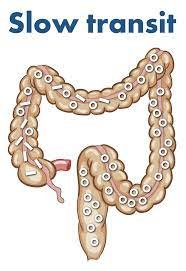
Slow Transit Constipation

Slow Transit Constipation occurs when the movement of stool through the colon is abnormally slow, leading to infrequent bowel movements.
Patients often experience bloating, abdominal discomfort, and a prolonged urge to defecate with little result.
The condition may result from nerve or muscle dysfunction in the colon, hormonal issues, or certain medications.
Chronic slow transit can lead to severe constipation, impacting quality of life and causing complications like hemorrhoids.
Management includes dietary fiber, hydration, regular exercise, medications to stimulate bowel movement, and in severe cases, medical or surgical interventions.

Slow Transit Constipation Read Post »

Constipation

Normal Transit Constipation (Functional Constipation)

Normal Transit Constipation, also called functional constipation, occurs when bowel movements are difficult despite normal intestinal movement.
Patients often experience infrequent stools, straining, and a sense of incomplete evacuation.
The condition is usually not caused by underlying medical diseases but by diet, lifestyle, or stress.
Symptoms include bloating, abdominal discomfort, and irregular bowel habits.
Management involves increasing dietary fiber, hydration, regular exercise, and behavioral strategies to improve bowel habits.

Normal Transit Constipation (Functional Constipation) Read Post »

Constipation

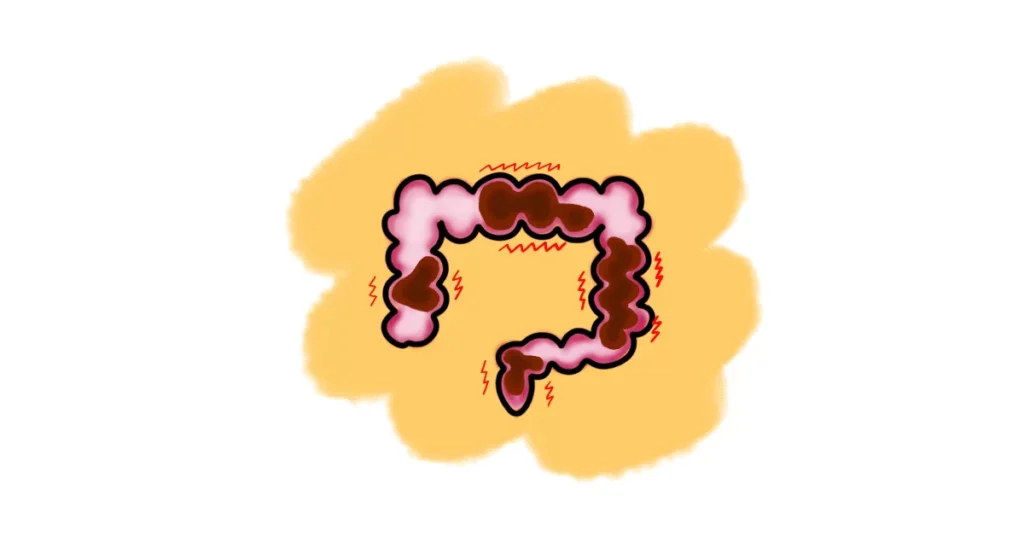
Constipation

Constipation is a common digestive problem characterized by infrequent, difficult, or painful bowel movements.
It can result from low fiber intake, dehydration, sedentary lifestyle, or certain medications.
Symptoms include hard stools, bloating, abdominal discomfort, and straining during bowel movements.
Chronic constipation may lead to hemorrhoids, anal fissures, or other gastrointestinal issues.
Treatment involves dietary changes, increased water intake, regular exercise, and sometimes laxatives or medical interventions.

Constipation Read Post »

Mental health challenges (Gen 'Z's, Mental health challenges / Issues

Substance Use & Risky Behaviour – “Escaping the Pain, Finding Real Healing”

Substance use and risky behaviors often develop as coping mechanisms to escape emotional or physical pain.
These behaviors can include alcohol or drug abuse, reckless actions, or unhealthy habits.
They may provide temporary relief but lead to addiction, health problems, and damaged relationships.
Signs include loss of control, withdrawal symptoms, secrecy, and negative impacts on daily life.
Treatment involves therapy, support groups, behavioral interventions, and addressing underlying emotional issues for long-term recovery.

Substance Use & Risky Behaviour – “Escaping the Pain, Finding Real Healing” Read Post »

Mental health challenges (Gen 'Z's, Mental health challenges / Issues

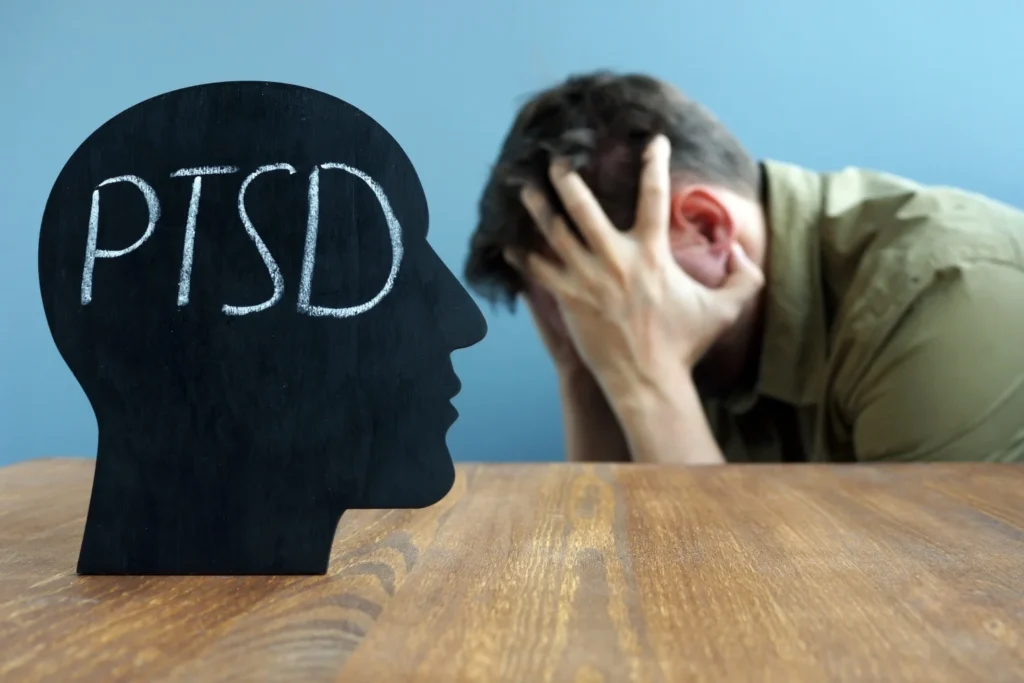
Trauma & PTSD

Trauma occurs when an individual experiences a deeply distressing or life-threatening event.
Post-Traumatic Stress Disorder (PTSD) develops when the mind struggles to process and recover from such trauma.
Symptoms include flashbacks, nightmares, anxiety, hypervigilance, and emotional numbness.
PTSD can affect daily functioning, relationships, and overall mental health.
Treatment includes trauma-focused therapy, counseling, support groups, and sometimes medication.

Trauma & PTSD Read Post »

Mental health challenges (Gen 'Z's, Mental health challenges / Issues

Eating Disorders

Eating disorders are mental health conditions characterized by unhealthy relationships with food and body image.
Common types include anorexia nervosa, bulimia nervosa, and binge-eating disorder.
Symptoms may include extreme food restriction, bingeing, purging, weight fluctuations, and body dissatisfaction.
Causes involve genetic, psychological, environmental, and sociocultural factors.
Treatment includes therapy, nutritional counseling, medical monitoring, and support to develop healthy eating habits.

Eating Disorders Read Post »