Psoriasis

Erythrodermic Psoriasis

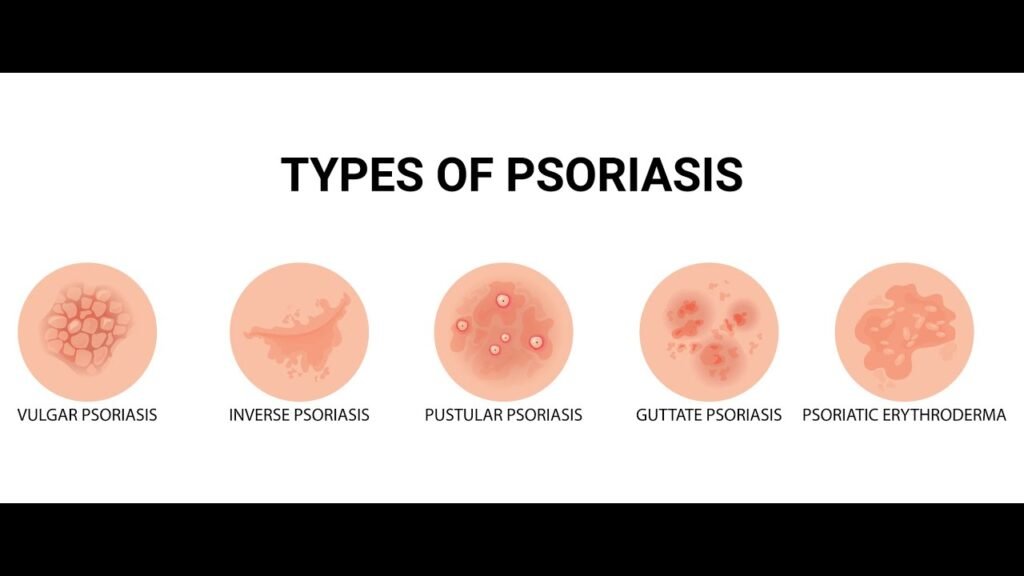
Erythrodermic Psoriasis is a rare, severe form of psoriasis involving widespread redness, scaling, and inflammation of most of the body’s surface. It can be life-threatening due to fluid loss, infection, or temperature imbalance. In homeopathy, treatment focuses on restoring immune balance and reducing systemic inflammation. Remedies like Arsenicum Album, Sulphur, and Rhus Toxicodendron are often considered based on symptoms. Early intervention and holistic management are crucial for recovery and prevention of relapses.

Erythrodermic Psoriasis Read Post »
Psoriasis

Pustular Psoriasis

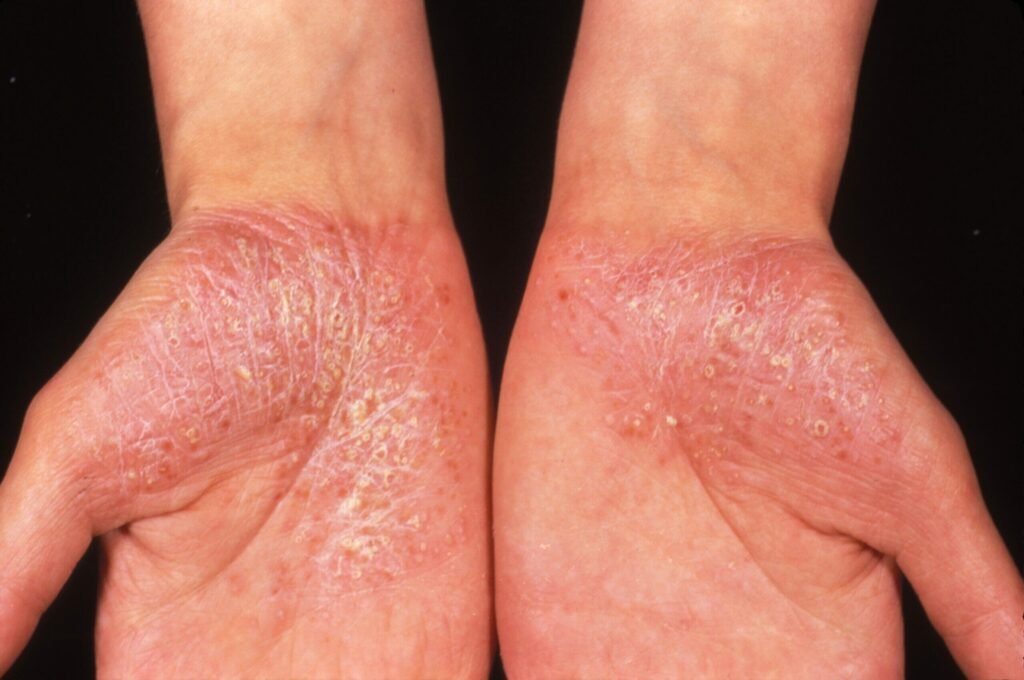
Pustular Psoriasis is a rare and severe form of psoriasis characterized by white pustules filled with non-infectious pus. These pustules are surrounded by inflamed, red skin and can appear on localized areas like the hands and feet or cover large body parts. It may develop suddenly and be accompanied by fever, chills, or fatigue. The condition results from immune system overactivity and skin inflammation. Prompt medical treatment is essential to prevent complications and manage flare-ups.

Pustular Psoriasis Read Post »

Psoriasis

Inverse Psoriasis

Inverse Psoriasis is a type of psoriasis that affects skin folds such as the armpits, under the breasts, groin, and around the genitals. The lesions are smooth, shiny, and red without the typical scaling seen in other forms. Friction and sweating often worsen the condition. It can cause significant discomfort due to irritation and moisture. Management involves reducing friction, keeping the area dry, and using topical treatments.

Inverse Psoriasis Read Post »

Psoriasis

Guttate Psoriasis

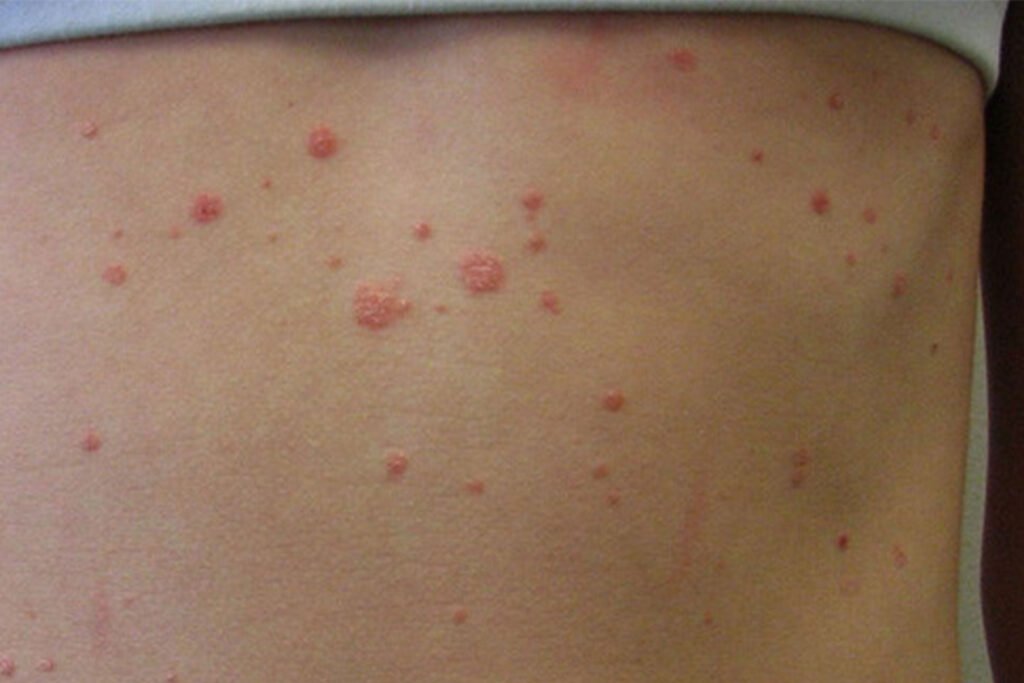
Guttate Psoriasis is a form of psoriasis characterized by small, red, drop-shaped lesions on the skin. It often appears suddenly, typically after a throat infection like streptococcal pharyngitis. The spots are covered with fine scales and commonly affect the trunk, limbs, and scalp. It is more frequent in children and young adults. The condition may resolve on its own or progress to chronic plaque psoriasis.

Guttate Psoriasis Read Post »

Psoriasis

Plaque Psoriasis (Psoriasis Vulgaris)

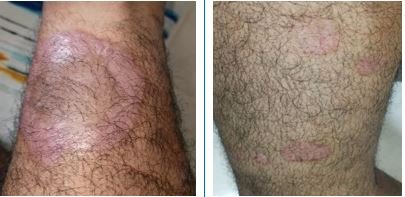
Plaque Psoriasis (Psoriasis Vulgaris) is the most common form of psoriasis, characterized by raised, inflamed, and scaly skin lesions. These plaques often appear on the elbows, knees, scalp, and lower back. The scales are typically silvery-white and may cause itching or discomfort. It results from an overactive immune response leading to rapid skin cell turnover. The condition tends to be chronic with periods of remission and flare-ups.

Plaque Psoriasis (Psoriasis Vulgaris) Read Post »

Asthma

Asthma (Definition & Understanding in Homeopathy)

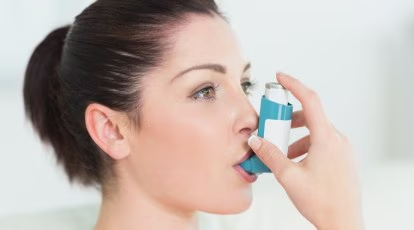
Asthma is a chronic respiratory condition characterized by inflammation and narrowing of the airways, leading to difficulty in breathing.
In homeopathy, asthma is understood as a disorder influenced by constitutional, genetic, and environmental factors.
Symptoms include wheezing, coughing, chest tightness, shortness of breath, and recurrent respiratory discomfort.
Homeopathic treatment focuses on individualized remedies, considering the patient’s overall constitution, triggers, and symptom patterns.
Supportive measures include avoiding triggers, lifestyle modifications, and monitoring respiratory health to prevent acute attacks.

Asthma (Definition & Understanding in Homeopathy) Read Post »

Asthma

Status Asthmaticus

Status asthmaticus is a severe, life-threatening asthma attack that does not respond to standard inhaler therapy.
It is characterized by extreme wheezing, persistent shortness of breath, chest tightness, and hypoxia.
Triggers include viral infections, allergens, medications, or abrupt discontinuation of asthma treatment.
Immediate medical intervention is required to prevent respiratory failure, often involving high-dose bronchodilators, corticosteroids, and oxygen therapy.
Hospitalization or intensive care may be necessary in severe or refractory cases.

Status Asthmaticus Read Post »

Asthma

Adult-Onset Asthma

Adult-onset asthma refers to asthma that develops for the first time in adulthood, often after age 20.
Symptoms include coughing, wheezing, shortness of breath, and chest tightness, which may be persistent or triggered by allergens or irritants.
Common triggers include respiratory infections, occupational exposures, smoking, stress, and environmental pollutants.
Unlike childhood asthma, adult-onset asthma is often non-allergic and may be more severe or difficult to control.
Management involves inhaled medications, avoiding triggers, lifestyle modifications, and regular monitoring of lung function.

Adult-Onset Asthma Read Post »

Asthma

Childhood Asthma

Childhood asthma is a chronic respiratory condition affecting children, characterized by airway inflammation and hyperreactivity.
Symptoms include recurrent coughing, wheezing, shortness of breath, and chest tightness, often worsening at night or during exercise.
Triggers can include allergens, viral infections, cold air, smoke, and environmental pollutants.
Early diagnosis and management are crucial to prevent severe attacks and long-term lung damage.
Treatment involves inhaled medications, avoiding triggers, monitoring symptoms, and educating caregivers on emergency care.

Childhood Asthma Read Post »

Asthma

Drug-Induced Asthma

Drug-induced asthma occurs when certain medications trigger bronchospasm and airway inflammation.
Common culprits include nonsteroidal anti-inflammatory drugs (NSAIDs), beta-blockers, and some antibiotics.
Symptoms include wheezing, coughing, shortness of breath, and chest tightness shortly after taking the medication.
Individuals with a history of asthma or sensitivity to specific drugs are at higher risk.
Management involves avoiding the triggering drug, using alternative medications, and treating acute symptoms with bronchodilators or corticosteroids.

Drug-Induced Asthma Read Post »