Vestibular Migraine
What is Vestibular Migraine
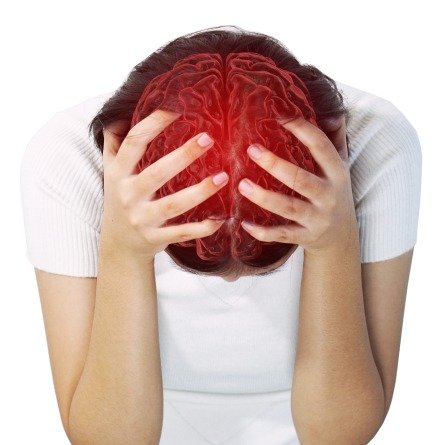
Vestibular migraine is a special type of migraine that mainly affects the balance system — the vestibular system of the inner ear and brain — leading to vertigo (giddiness) rather than just headache.
From a homeopathic point of view, this condition shows a disturbed coordination between the brain, nerves, and inner ear, often triggered by stress, hormonal imbalance, or sensitivity to sensory stimuli.
Homeopathy looks at this as a nerve-level hypersensitivity, where even slight imbalance or emotional stress can cause dizziness, motion sickness, or a feeling of spinning.
कारण
- Emotional stress or mental overwork
- Hormonal changes (especially in women)
- Loud noises, bright lights, or strong smells
- Lack of sleep or irregular sleep pattern
- Certain foods – chocolate, caffeine, aged cheese, alcohol
- Weather changes or exposure to screens for long hours
- Family history of migraine or vertigo
लक्षण
- Recurrent episodes of vertigo or dizziness – feeling like the room is spinning
- Vertigo may last from minutes to hours, even without headache
- Sensitivity to light and sound
- Nausea and vomiting during vertigo attacks
- Unsteady gait, difficulty in standing or walking straight
- Pressure or tightness in head, sometimes mild headache
- Ringing in ears (tinnitus) or ear fullness in some patients
- Blurring of vision, fatigue, and confusion after attack
होम्योपैथिक दृष्टिकोण
Homeopathy considers vestibular migraine as a neurovascular and sensory disturbance, not merely a physical ear disorder.
It focuses on balancing the nervous system, reducing sensitivity to sensory stimuli, and improving the communication between the brain and inner ear.
होम्योपैथिक उपचार का लक्ष्य है:
- Reduce vertigo frequency and intensity
- Strengthen the nervous system
- Improve emotional balance
- Enhance overall vitality and stability
होम्योपैथिक उपचार
1. Cocculus Indicus – One of the best remedies for vertigo with nausea and vomiting, especially when worsened by motion, loss of sleep, or travelling.
2. Gelsemium – For dizziness with weakness, blurred vision, and heaviness in the head; often due to nervous exhaustion.
3. Bryonia Alba – Vertigo worse on slightest motion, with heaviness in head and relief by lying still; dryness of mouth common.
4. Conium Maculatum – Vertigo when turning the head or lying down; often in elderly or those with weak circulation.
5. Tabacum – Nausea, cold sweat, and faintness during vertigo attacks; feels better in fresh air.
6. Phosphorus – For light-sensitive and anxious patients; vertigo with vision problems and head fullness.
7. Belladonna – Sudden violent attacks with throbbing head, redness of face, and sensitivity to light.
(Note: Remedy should be chosen individually by a qualified homeopath based on total symptoms.)
Lifestyle & Self Care
- Avoid bright light, loud sounds, or sudden head movements during attacks.
- Maintain consistent sleep and eating habits.
- Hydrate well, and avoid caffeine, alcohol, and junk food.
- Practice deep breathing, meditation, or yoga to calm the nervous system.
- Limit screen time to reduce visual triggers.
- Do gentle balance exercises under guidance if advised.
- Keep a migraine diary to identify and avoid triggers.
सारांश
Vestibular migraine is not just dizziness — it’s a migraine that affects your balance and sensory system.
Homeopathy offers a safe, long-term approach by calming the nervous system, improving inner ear function, and restoring balance naturally — without dependency or side effects.
- With the right constitutional remedy,
- The vertigo frequency decreases,
- The nervous system stabilizes,
- The person regains full balance and clarity of mind.