Tuberculosis

Endobronchial Tuberculosis (EBTB)

Endobronchial Tuberculosis (EBTB) is a form of TB that specifically involves the trachea and bronchi, causing inflammation and ulceration inside the airways.
It commonly occurs as a complication of pulmonary TB and can lead to bronchial obstruction.
Patients may develop symptoms like persistent cough, wheezing, breathlessness, and recurrent lung infections.
If not treated early, EBTB can cause bronchial stenosis, leading to long-term airflow limitation.
Prompt diagnosis through bronchoscopy and complete anti-TB therapy helps achieve effective recovery and prevents complications.

Endobronchial Tuberculosis (EBTB) Read Post »
Tuberculosis

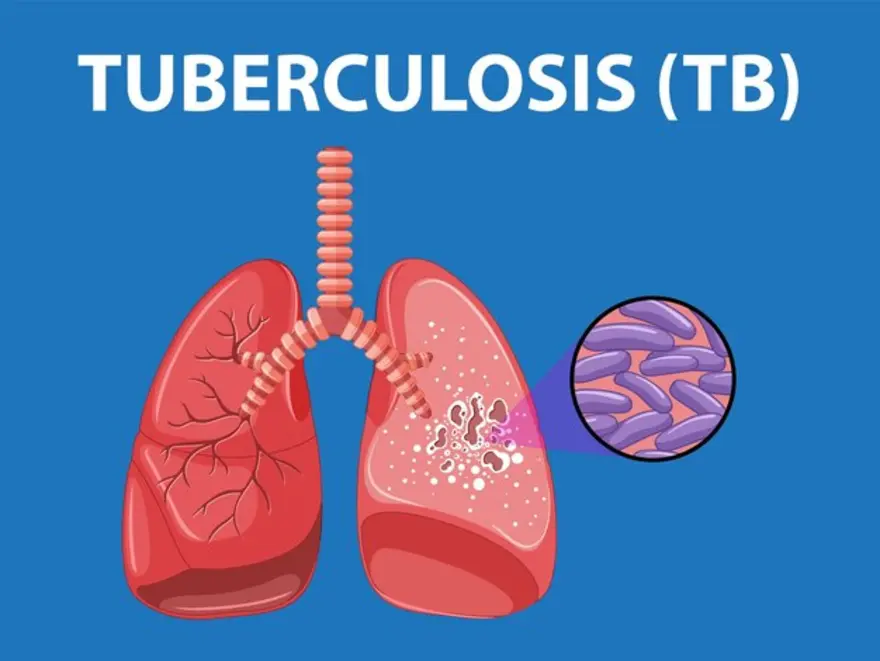
Cavitary Pulmonary Tuberculosis (Cavitary TB)

Cavitary Pulmonary Tuberculosis is a severe form of lung TB where the infection creates hollow, air-filled cavities in lung tissue.
These cavities form due to caseous necrosis, where infected lung tissue breaks down and liquefies.
Cavitary TB usually affects the upper lobes and is highly infectious because cavity walls contain a large number of TB bacteria.
Symptoms include persistent cough, fever, night sweats, chest pain, and blood-tinged sputum.
With early diagnosis and complete anti-TB treatment, cavitary TB can be controlled and cured, though healing may leave scars.

Cavitary Pulmonary Tuberculosis (Cavitary TB) Read Post »

Tuberculosis

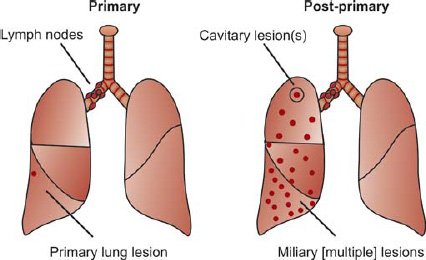
Post-Primary Pulmonary Tuberculosis (Reactivation TB)

Post-Primary Pulmonary Tuberculosis occurs when a previously infected person develops reactivation of TB in the lungs.
It is more common in adults and usually affects the upper lobes of the lungs.
This form shows caseation, cavitation, and extensive lung tissue destruction.
Symptoms include chronic cough, hemoptysis (blood in sputum), fever, night sweats, and weight loss.
With timely diagnosis and a full course of anti-TB therapy, post-primary TB is treatable and curable.

Post-Primary Pulmonary Tuberculosis (Reactivation TB) Read Post »

Tuberculosis

Primary Pulmonary Tuberculosis

Primary Pulmonary Tuberculosis is the initial infection of the lungs caused by Mycobacterium tuberculosis.
It commonly occurs in children and young adults after first-time exposure to TB bacteria.
The infection begins in the lung parenchyma and nearby lymph nodes, forming the classic Ghon complex.
Symptoms may be mild or absent, but can include fever, cough, and fatigue.
With early diagnosis and proper treatment, primary pulmonary TB is completely curable.

Primary Pulmonary Tuberculosis Read Post »

Tuberculosis

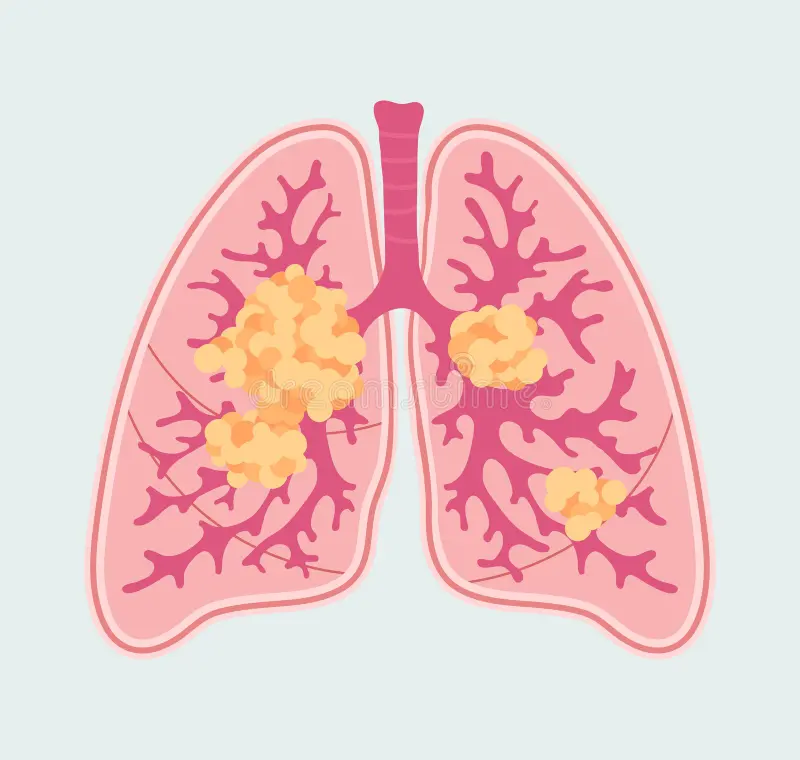
Pulmonary Tuberculosis (Pulmonary TB)

Pulmonary Tuberculosis (Pulmonary TB) is a lung infection caused by Mycobacterium tuberculosis.
It primarily affects the lungs, making it the most common form of TB.
The disease spreads through airborne droplets when an infected person coughs or sneezes.
Symptoms include persistent cough, chest pain, blood-tinged sputum, fever, and weight loss.
Pulmonary TB is curable with timely diagnosis and complete anti-TB treatment.

Pulmonary Tuberculosis (Pulmonary TB) Read Post »

Tuberculosis

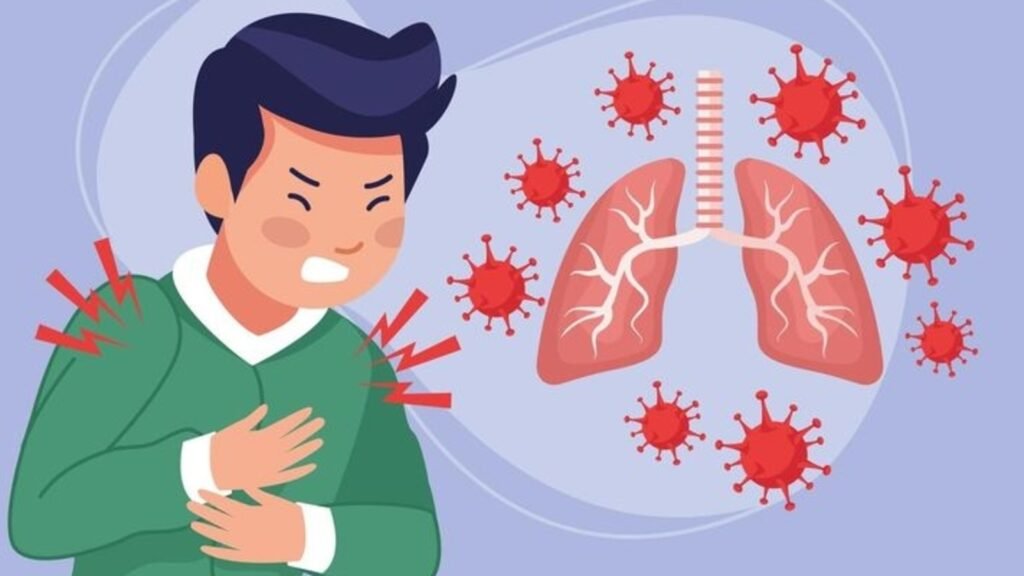
Tuberculosis (TB)

Tuberculosis (TB) is an infectious disease caused by Mycobacterium tuberculosis.
It mainly affects the lungs, but it can involve any organ of the body.
TB spreads through the air when an infected person coughs or sneezes.
Common symptoms include persistent cough, fever, night sweats, and weight loss.
TB is treatable and curable with proper and complete anti-TB medication.

Tuberculosis (TB) Read Post »

Migraine

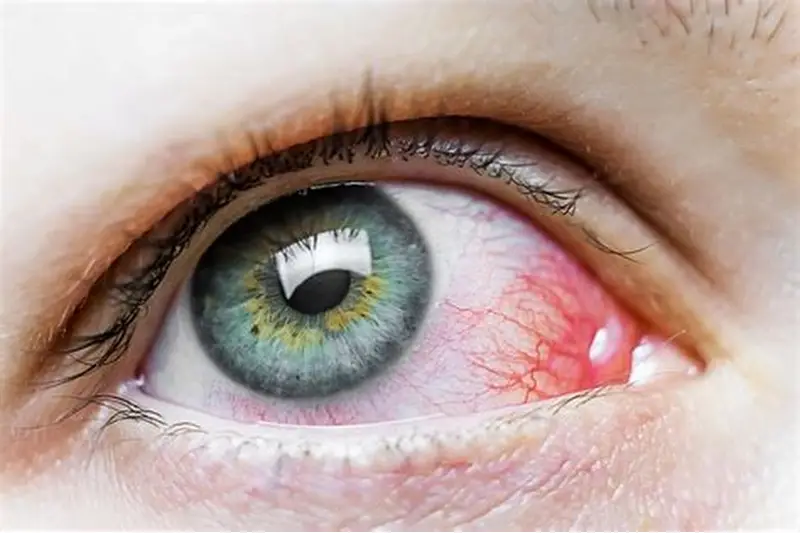
Eye Strain Migraine

Eye Strain Migraine occurs due to prolonged visual effort or screen exposure.
It causes pain around the eyes, blurred vision, and light sensitivity.
Reading, computer work, or poor lighting can trigger attacks.
Taking regular breaks and adjusting screen settings help prevent it.
Treatment includes rest, eye care, and migraine management.

Eye Strain Migraine Read Post »

Migraine

Sinus Migraine

Sinus Migraine is a type of headache that mimics sinus pain but is actually migraine-related.
It causes facial pressure, nasal congestion, and forehead pain.
Weather changes, allergies, or infections can trigger attacks.
Pain often worsens with movement or bending forward.
Treatment involves managing sinus issues and migraine symptoms together.

Sinus Migraine Read Post »

Migraine

Toxic or Drug-Induced Migraine

Toxic or Drug-Induced Migraine occurs as a reaction to certain medications or chemical substances.
It can be triggered by overuse of painkillers, caffeine, or exposure to toxins.
Symptoms include severe headache, nausea, and sensitivity to light or sound.
Identifying and stopping the triggering substance is crucial for recovery.
Treatment focuses on detoxification, rest, and medical supervision.

Toxic or Drug-Induced Migraine Read Post »

Migraine

Sleep-Related Migraine

Sleep-Related Migraine is triggered by poor sleep quality, lack of rest, or sudden changes in sleep patterns.
It often causes morning headaches, fatigue, and light sensitivity.
Both oversleeping and sleep deprivation can trigger attacks.
Maintaining a regular sleep schedule helps reduce migraine frequency.
Treatment includes sleep hygiene, stress management, and medication if needed.

Sleep-Related Migraine Read Post »