Hair

फॉलिकुलिटिस (बालों के रोम की सूजन)

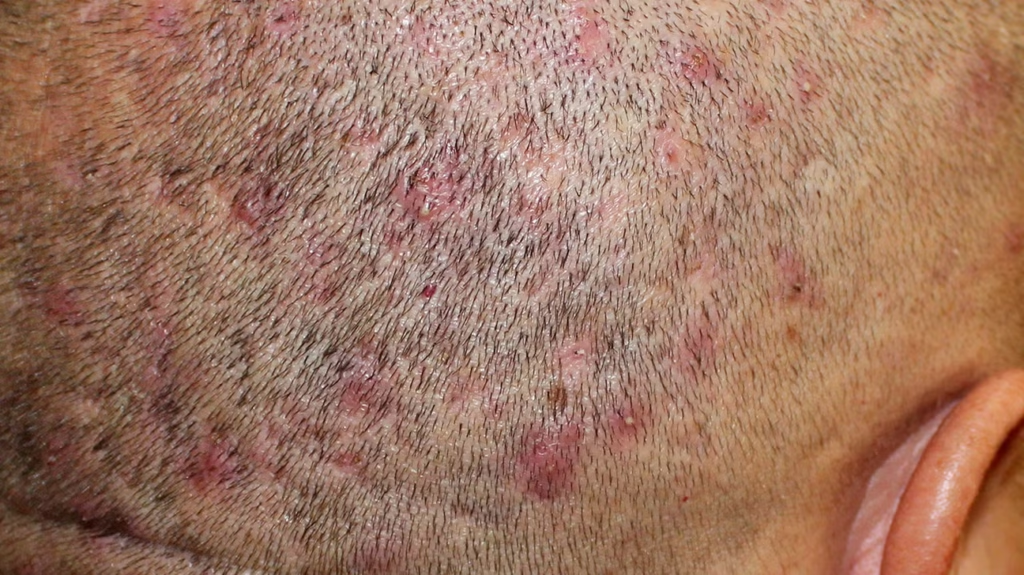
Folliculitis is the inflammation or infection of hair follicles, often caused by bacteria, fungi, or irritation.
It commonly appears as small red bumps or pustules resembling pimples around hair roots.
Symptoms include itching, pain, tenderness, and sometimes pus-filled blisters.
Risk factors include shaving, sweating, tight clothing, or weakened immunity.
Treatment involves topical or oral antibiotics/antifungals, warm compresses, and good hygiene.

फॉलिकुलिटिस (बालों के रोम की सूजन) Read Post »
Hair

बालों और सिर की त्वचा का फंगल संक्रमण (टिनिया कैपिटिस / स्कैल्प दाद)

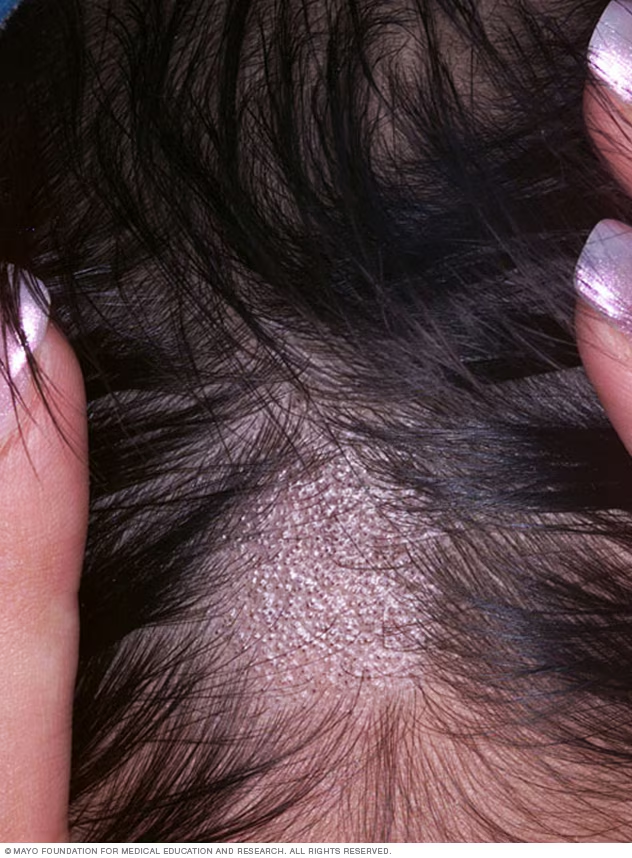
Fungal infection of hair & scalp, called Tinea Capitis, is caused by dermatophyte fungi.
It commonly affects children and spreads through contact with infected persons, animals, or contaminated items.
Symptoms include itchy, scaly patches, brittle hair, hair loss spots, and sometimes swollen lymph nodes.
In severe cases, it may cause kerion (painful, pus-filled swelling on the scalp).
Treatment involves antifungal medications (oral and topical), along with maintaining scalp hygiene.

बालों और सिर की त्वचा का फंगल संक्रमण (टिनिया कैपिटिस / स्कैल्प दाद) Read Post »

Hair

सिकाट्रिकियल एलोपेसिया (स्कारिंग एलोपेसिया)

Cicatricial Alopecia, also known as Scarring Alopecia, is a rare form of permanent hair loss.
It occurs when inflammation destroys hair follicles and replaces them with scar tissue.
The condition may cause itching, pain, or burning in the scalp before hair loss.
Causes include autoimmune diseases, severe infections, or physical injury.
Treatment focuses on controlling inflammation to prevent further progression.

सिकाट्रिकियल एलोपेसिया (स्कारिंग एलोपेसिया) Read Post »

Hair

एनाजेन एफ्लुवियम (विकास चरण के दौरान तेजी से बाल झड़ना)

Anagen Effluvium is a sudden and severe type of hair loss that occurs during the active growth phase of hair.
It is commonly caused by chemotherapy, radiation therapy, or exposure to toxins.
Hair falls out rapidly in large amounts, often affecting scalp, eyebrows, and body hair.
Unlike other types, the follicles remain intact, allowing hair regrowth once the trigger is removed.
Treatment focuses on managing the underlying cause and supporting healthy hair recovery.

एनाजेन एफ्लुवियम (विकास चरण के दौरान तेजी से बाल झड़ना) Read Post »

Hair

टेलोजन एफ्लुवियम (तनाव/बीमारी से संबंधित बाल झड़ना)

Telogen Effluvium is a temporary form of hair loss that occurs when a large number of hair follicles enter the resting (telogen) phase.
It is commonly triggered by physical or emotional stress, illness, surgery, medications, or hormonal changes.
Hair shedding usually appears as diffuse thinning across the scalp rather than bald patches.
The condition often begins 2–3 months after the triggering event and may last for several months.
Treatment focuses on addressing the underlying cause, stress management, nutritional support, and reassurance, as hair often regrows naturally.

टेलोजन एफ्लुवियम (तनाव/बीमारी से संबंधित बाल झड़ना) Read Post »

Hair

एलोपेशिया एरियाटा

Alopecia Areata is an autoimmune condition where the immune system attacks hair follicles, causing sudden hair loss.
It often presents as small, round bald patches on the scalp, beard, or other body areas.
The exact cause is unknown, but genetic and environmental factors play a role.
In some cases, hair may regrow, while in others, it may progress to total hair loss (Alopecia Totalis/Universalis).
Treatment options include corticosteroid injections, topical immunotherapy, and medicines that suppress the immune response.

एलोपेशिया एरियाटा Read Post »

Hair

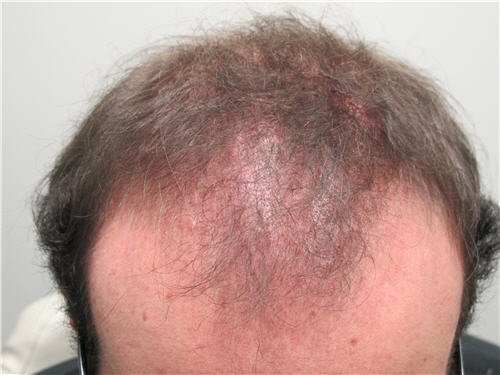
एंड्रोजेनेटिक एलोपेसिया (पैटर्न गंजापन)

Androgenetic Alopecia, commonly known as Pattern Baldness, is the most common type of hair loss in men and women.
It is caused by genetic factors and hormonal sensitivity to dihydrotestosterone (DHT).
In men, it typically presents as a receding hairline and thinning on the crown, while in women, diffuse thinning occurs.
The condition usually progresses gradually and may start in early adulthood.
Treatment options include medications (minoxidil, finasteride), hair transplant surgery, and lifestyle measures.

एंड्रोजेनेटिक एलोपेसिया (पैटर्न गंजापन) Read Post »

Female Health Issues, Gynecology

गर्भपात (सहज गर्भपात)

Miscarriage, also called Spontaneous Abortion, is the loss of a pregnancy before 20 weeks of gestation.
It can result from genetic abnormalities, hormonal imbalances, uterine problems, infections, or lifestyle factors.
Symptoms include vaginal bleeding, abdominal cramps, back pain, and passing tissue from the uterus.
Risk factors include advanced maternal age, previous miscarriages, chronic illnesses, and smoking or alcohol use.
Treatment involves rest, monitoring, medications, or surgical procedures depending on the severity and cause.

गर्भपात (सहज गर्भपात) Read Post »

Female Health Issues, Gynecology

प्लेसेंटा प्रीविया

Placenta Previa is a pregnancy condition where the placenta covers the cervix partially or completely.
It often presents in the second or third trimester with painless vaginal bleeding.
Risk factors include multiple pregnancies, prior cesarean deliveries, smoking, and advanced maternal age.
Complications may include severe bleeding, preterm birth, and risks to both mother and baby.
Management involves bed rest, avoiding vaginal exams, hospitalization in severe cases, and cesarean delivery if necessary.

प्लेसेंटा प्रीविया Read Post »

Female Health Issues, Gynecology

एक्लंप्षण

Eclampsia is a severe complication of pregnancy marked by the onset of seizures in a woman with preeclampsia.
It can occur before, during, or after childbirth and poses serious risks to both mother and baby.
Symptoms include convulsions, loss of consciousness, severe headaches, visual disturbances, and high blood pressure.
Risk factors include untreated preeclampsia, multiple pregnancies, obesity, and a history of hypertension.
Treatment requires emergency care with anticonvulsant medications, blood pressure control, and timely delivery of the baby.

एक्लंप्षण Read Post »