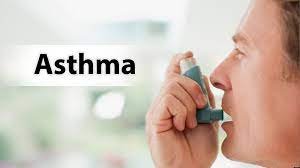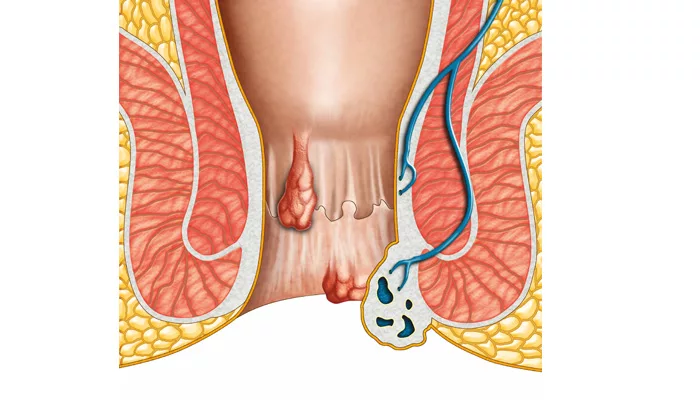

Asthma

मौसमी अस्थमा - ए

Seasonal asthma is triggered by allergens that are more prevalent during specific seasons, such as pollen from trees, grasses, or weeds.
Symptoms include coughing, wheezing, shortness of breath, and chest tightness, often coinciding with high pollen periods.
Common triggers include spring and fall pollen, mold spores, and outdoor environmental allergens.
Individuals with seasonal asthma may also experience worsening of pre-existing asthma or allergic rhinitis.
Management involves avoiding known triggers, using preventive inhalers, antihistamines, and monitoring lung function during peak seasons.


मौसमी अस्थमा - ए Read Post »

Asthma

व्यावसायिक अस्थमा (कार्य-संबंधी अस्थमा)

Occupational asthma is caused by exposure to irritants or allergens in the workplace, such as dust, chemicals, fumes, or smoke.
Symptoms include coughing, wheezing, chest tightness, and shortness of breath, often worsening during work hours.
Common triggers include solvents, cleaning agents, flour dust, animal dander, and industrial chemicals.
Repeated exposure can lead to chronic airway inflammation and reduced lung function over time.
Management includes avoiding triggers, using protective equipment, inhaler therapy, and in some cases, changing the work environment.

व्यावसायिक अस्थमा (कार्य-संबंधी अस्थमा) Read Post »

Asthma

रात्रिकालीन अस्थमा (रात के समय का अस्थमा)

Nocturnal asthma is characterized by worsening asthma symptoms during the night, often disturbing sleep.
Common symptoms include coughing, wheezing, shortness of breath, and chest tightness after midnight.
Triggers can include allergens in bedding, cold air, reclining position, or circadian variations in airway function.
Untreated nocturnal asthma can lead to poor sleep quality, fatigue, and decreased daytime functioning.
Management involves adjusting asthma medications, reducing bedroom allergens, using inhalers before bedtime, and monitoring symptoms.

रात्रिकालीन अस्थमा (रात के समय का अस्थमा) Read Post »

Asthma

खांसी-प्रकार अस्थमा (सीवीए)

Cough-Variant Asthma (CVA) is a type of asthma where the primary symptom is a persistent, dry cough.
Unlike classic asthma, wheezing and shortness of breath may be minimal or absent.
Triggers include allergens, respiratory infections, exercise, cold air, or air pollutants.
If untreated, CVA can progress to typical asthma with airway inflammation and bronchoconstriction.
Management involves inhaled corticosteroids, bronchodilators, avoiding triggers, and monitoring lung function.

खांसी-प्रकार अस्थमा (सीवीए) Read Post »

Asthma

व्यायाम-प्रेरित अस्थमा (ईआईए)

Exercise-Induced Asthma (EIA) occurs when physical activity triggers narrowing of the airways, causing breathing difficulties.
Symptoms include coughing, wheezing, shortness of breath, and chest tightness during or after exercise.
Triggers can include cold or dry air, high-intensity workouts, or environmental pollutants.
EIA may affect both individuals with chronic asthma and those without a prior asthma diagnosis.
Management involves using pre-exercise inhalers, warming up before activity, and avoiding known triggers.

व्यायाम-प्रेरित अस्थमा (ईआईए) Read Post »

Asthma

आंतरिक अस्थमा (गैर-एलर्जी अस्थमा)

Intrinsic asthma, or non-allergic asthma, is triggered by factors other than allergens, such as infections, stress, cold air, or exercise.
It involves inflammation and narrowing of the airways, similar to allergic asthma, but without an immune-mediated allergic response.
Symptoms include wheezing, coughing, shortness of breath, and chest tightness, often worsening during viral infections or physical exertion.
Triggers may include respiratory infections, air pollution, strong odors, smoke, or emotional stress.
Management focuses on avoiding triggers, using inhaled medications (bronchodilators, corticosteroids), and monitoring lung function.

आंतरिक अस्थमा (गैर-एलर्जी अस्थमा) Read Post »

Hemorrhoids

पाइल्स (बवासीर) की जटिलताएँ

Untreated piles can lead to complications such as persistent pain, itching, and swelling.
Bleeding piles may cause anemia if blood loss is frequent and significant.
Prolapsed or thrombosed hemorrhoids can result in severe pain, clot formation, and infection.
Chronic inflammation may lead to skin irritation, ulcers, or difficulty maintaining hygiene.
In advanced cases, surgery may be required to prevent worsening and restore quality of life.

पाइल्स (बवासीर) की जटिलताएँ Read Post »

Asthma

एलर्जिक अस्थमा (बाहरी अस्थमा)

Allergic asthma, also called extrinsic asthma, is triggered by exposure to allergens such as pollen, dust mites, pet dander, or mold.
It involves an overreaction of the immune system, causing inflammation and narrowing of the airways.
Symptoms include wheezing, coughing, shortness of breath, chest tightness, and recurrent respiratory infections.
Triggers can include seasonal allergens, environmental irritants, or sudden exposure to cold air.
Management involves avoiding triggers, inhaled medications (bronchodilators, corticosteroids), and, in some cases, immunotherapy.

एलर्जिक अस्थमा (बाहरी अस्थमा) Read Post »

Hemorrhoids

असंयम और संक्रमण

Incontinence is the involuntary leakage of urine or stool, often caused by weak pelvic muscles or nerve issues.
Infections commonly affect the urinary or anal-genital region, leading to pain, burning, and irritation.
Symptoms may include urgency, frequent urination, foul-smelling discharge, itching, and pelvic discomfort.
Causes include chronic constipation, aging, nerve damage, or bacterial, viral, or fungal infections.
Management involves hygiene, pelvic floor exercises, symptom relief, and medical or homeopathic support depending on severity.

असंयम और संक्रमण Read Post »

Hemorrhoids

दरारें और फिस्टुला का गठन

An anal fissure is a small tear in the lining of the anus, often causing sharp pain and bleeding during bowel movements.
If left untreated, chronic fissures can lead to infection and the development of an anal fistula.
An anal fistula is an abnormal tunnel connecting the anal canal to the skin around the anus.
Symptoms include persistent pain, pus or discharge, swelling, and recurrent infections.
Management involves stool softeners, sitz baths, medications, and surgical procedures for chronic or complex cases.

दरारें और फिस्टुला का गठन Read Post »