
Dengue Fever

Simple / Classical Dengue Fever

Simple or Classical Dengue Fever is the milder and most common form of dengue infection caused by the dengue virus.
It presents with sudden high fever, severe headache, eye pain, body aches, joint pain, weakness, and sometimes mild rash.
Unlike severe dengue, bleeding or shock is usually not present in classical dengue.
Platelet count may fall slightly, but most patients recover with proper hydration and symptomatic treatment.
Rest, plenty of fluids, fever management, and regular medical check-ups help in smooth recovery.

Simple / Classical Dengue Fever Read Post »

Dengue Fever

Dengue Fever

Dengue Fever is a viral infection transmitted by the Aedes mosquito, commonly seen in tropical and subtropical regions.
It causes sudden high fever, severe headache, body pain, joint pain, weakness, and sometimes rash.
In severe cases, it may progress to Dengue Hemorrhagic Fever with bleeding, low platelets, and risk of shock.
Early diagnosis, hydration, fever control, and medical monitoring are important for recovery.
Prevention focuses on mosquito control, avoiding mosquito bites, and maintaining a clean environment to stop breeding.

Dengue Fever Read Post »

Tuberculosis

Thyroid Tuberculosis (Thyroid TB)

Thyroid Tuberculosis (Thyroid TB) is a rare form of extrapulmonary TB where Mycobacterium tuberculosis infects the thyroid gland.
It usually presents as a painless thyroid swelling, sometimes mimicking goiter, thyroiditis, or even thyroid cancer.
Symptoms may include neck lump, mild pain, fever, weight loss, or rarely signs of thyroid dysfunction.
Diagnosis requires ultrasound, FNAC/biopsy, and microbiological confirmation of TB bacteria.
Full anti-TB therapy leads to good recovery, and surgery is needed only when abscess or structural damage is present.

Thyroid Tuberculosis (Thyroid TB) Read Post »

Tuberculosis

Pancreatic Tuberculosis (Pancreatic TB)

Pancreatic Tuberculosis (Pancreatic TB) is a rare form of abdominal TB where Mycobacterium tuberculosis infects the pancreas, often mimicking pancreatic cancer or chronic pancreatitis.
Patients usually present with abdominal pain, weight loss, fever, and sometimes jaundice due to bile duct compression.
Imaging may show pancreatic masses, cysts, or enlarged lymph nodes, making diagnosis challenging.
Confirmation typically requires biopsy, FNAC, PCR, or culture of TB bacteria.
With accurate diagnosis and full anti-TB therapy, pancreatic TB responds well and is completely treatable.

Pancreatic Tuberculosis (Pancreatic TB) Read Post »

Tuberculosis

Breast Tuberculosis (Mammary TB / Breast TB)

Breast Tuberculosis (Mammary TB) is a rare form of extrapulmonary TB where Mycobacterium tuberculosis infects the breast tissue.
It usually presents as a painless lump, breast swelling, or sinus formation, often mistaken for breast cancer or an abscess.
Mammary TB occurs more commonly in young, breastfeeding, or immune-compromised women.
Symptoms may include localized pain, nipple retraction, discharge, or non-healing ulcers on the breast.
Diagnosis requires imaging, biopsy, and microbiological tests, while full anti-TB therapy leads to complete recovery in most cases.

Breast Tuberculosis (Mammary TB / Breast TB) Read Post »

Tuberculosis

Adrenal Tuberculosis (Adrenal TB)

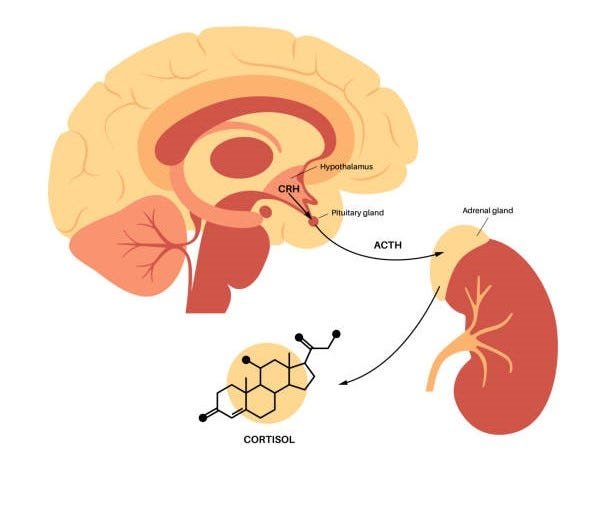
Adrenal Tuberculosis (Adrenal TB) is a form of extrapulmonary TB where Mycobacterium tuberculosis infects the adrenal glands, gradually destroying their tissue.
Long-standing adrenal TB can lead to adrenal insufficiency (Addison’s disease) due to loss of hormone-producing cells.
Symptoms may include fatigue, weight loss, low blood pressure, skin darkening, and electrolyte imbalance.
Diagnosis often requires CT/MRI imaging, hormone tests, and confirmation of TB infection.
Treatment involves full anti-TB therapy, and in advanced cases, lifelong hormone replacement may be necessary.

Adrenal Tuberculosis (Adrenal TB) Read Post »

Tuberculosis

Cold Abscess Tuberculosis (Tubercular Cold Abscess)

Cold Abscess Tuberculosis is a form of TB where infection spreads to bones, joints, or soft tissues, forming a swelling filled with pus without heat, redness, or severe pain.
It is called a “cold” abscess because, unlike regular abscesses, it shows minimal inflammation due to slow TB progression.
Common sites include the spine (Pott’s disease), lymph nodes, psoas muscle, and chest wall.
Symptoms include a painless, progressive swelling, stiffness, restricted movement, or back pain if the spine is involved.
Treatment requires anti-TB therapy, and in some cases, aspiration or surgery may be needed to manage large abscesses.

Cold Abscess Tuberculosis (Tubercular Cold Abscess) Read Post »

Tuberculosis

Non-Cavitary Tuberculosis (Non-Cavitary TB)

Non-Cavitary Tuberculosis (Non-Cavitary TB) refers to pulmonary TB where lung infection occurs without the formation of cavities.
In this form, inflammation and consolidation affect lung tissue but do not progress to tissue breakdown or hollow space formation.
Non-cavitary TB usually has a lower bacterial load, making it less infectious compared to cavitary TB.
Symptoms include cough, fever, weight loss, weakness, and breathlessness—similar to pulmonary TB but often milder.
With timely diagnosis and proper anti-TB therapy, non-cavitary TB responds well and has a good prognosis.

Non-Cavitary Tuberculosis (Non-Cavitary TB) Read Post »

Tuberculosis

Cavitary Tuberculosis (Cavitary TB)

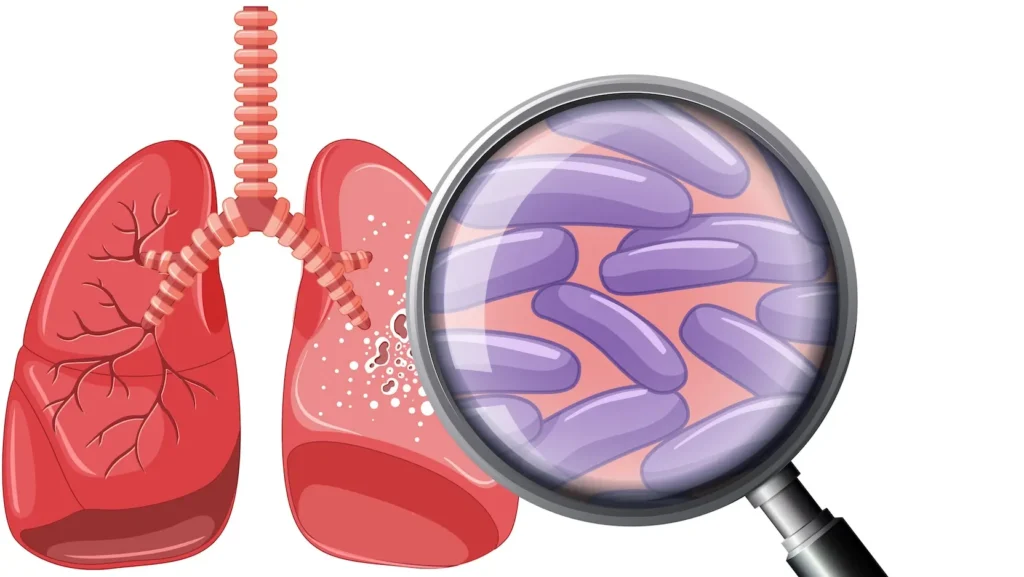
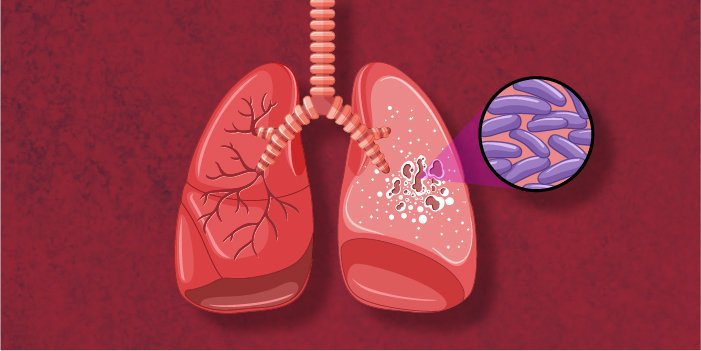
Cavitary Tuberculosis (Cavitary TB) is a severe form of pulmonary TB where infection destroys lung tissue, forming hollow, air-filled cavities.
These cavities result from caseous necrosis, where TB bacteria liquefy and erode lung tissue.
Because cavities contain a very high bacterial load, this form of TB is highly infectious.
Symptoms include persistent cough, chest pain, fever, night sweats, and blood-tinged sputum.
Early diagnosis and full anti-TB treatment are essential, although healing may leave fibrotic scars or residual cavities.

Cavitary Tuberculosis (Cavitary TB) Read Post »

Tuberculosis

Fibro-Calcific Tuberculosis

Fibro-Calcific Tuberculosis represents the healed or inactive stage of old TB infection where lung tissue becomes fibrotic and calcium deposits form.
These calcified areas appear as white, dense spots on X-ray or CT scan, indicating past TB rather than active disease.
The fibrosis may cause mild stiffness of the lungs, but usually does not produce major symptoms.
Fibro-calcific TB is not contagious, as the bacteria are either dead or locked inside calcified tissue.
Regular follow-up is recommended because very rarely old lesions can reactivate if immunity drops.

Fibro-Calcific Tuberculosis Read Post »