eye sight

केराटाइटिस (कॉर्नियल सूजन)

Keratitis is the inflammation of the cornea, the clear front layer of the eye, often caused by infections, injury, or contact lens misuse.
It can be bacterial, viral, fungal, or due to dry eyes and irritants.
Symptoms include eye pain, redness, blurred vision, tearing, and light sensitivity.
If untreated, it may lead to corneal ulcers or vision loss.
Treatment depends on the cause and may involve antibiotic, antiviral, or antifungal eye drops along with proper eye care.

केराटाइटिस (कॉर्नियल सूजन) Read Post »
eye sight

नेत्रश्लेष्मलाशोथ (गुलाबी आँख)

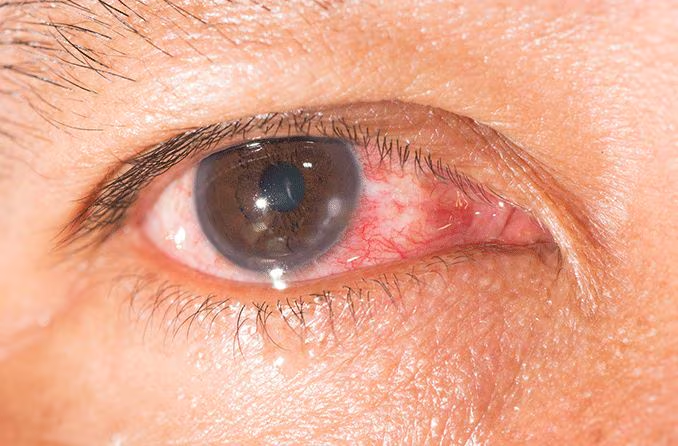
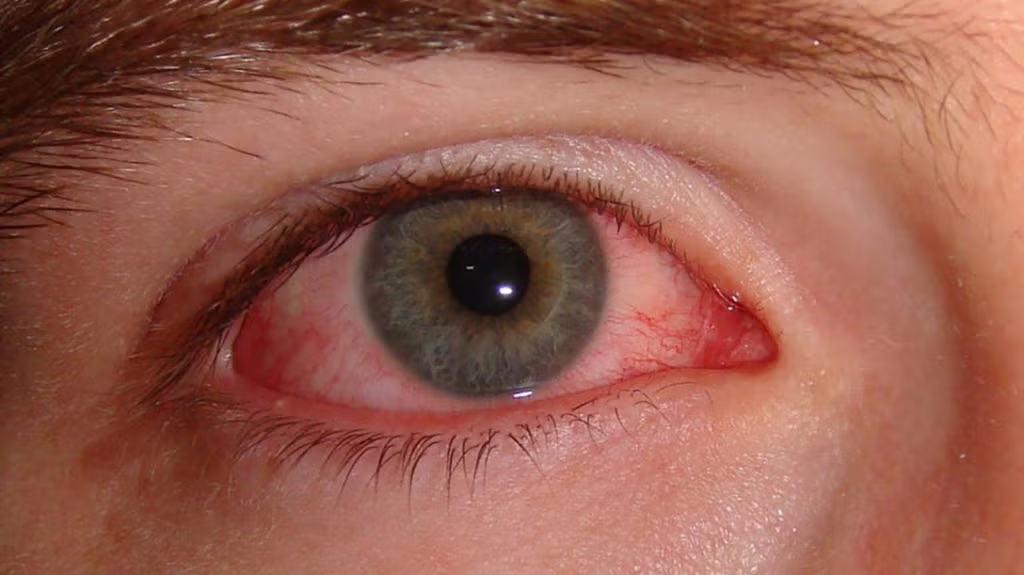
Conjunctivitis, commonly known as pink eye, is the inflammation or infection of the conjunctiva — the thin membrane covering the white part of the eye.
It can be caused by viruses, bacteria, allergens, or irritants.
Symptoms include redness, itching, watery or sticky discharge, and swollen eyelids.
It spreads easily, especially in viral or bacterial cases.
Treatment depends on the cause and may include antibiotic drops, antihistamines, and maintaining proper eye hygiene.

नेत्रश्लेष्मलाशोथ (गुलाबी आँख) Read Post »

eye sight

कंप्यूटर विज़न सिंड्रोम (डिजिटल आई स्ट्रेन)

Computer Vision Syndrome, also known as Digital Eye Strain, occurs due to prolonged use of computers, smartphones, or digital screens.
It results from focusing the eyes on a screen for extended periods without adequate breaks.
Symptoms include eye strain, dryness, blurred vision, headaches, and neck or shoulder pain.
Poor lighting and screen glare can worsen the condition.
Prevention includes adjusting screen settings, maintaining proper posture, and following the 20-20-20 rule for eye relaxation.

कंप्यूटर विज़न सिंड्रोम (डिजिटल आई स्ट्रेन) Read Post »

eye sight

नेत्र तनाव (एस्थेनोपिया)

Eye strain, or asthenopia, is a condition where the eyes become tired and uncomfortable after extended use.
It is commonly caused by prolonged screen time, poor lighting, or uncorrected vision problems.
Symptoms include eye pain, dryness, blurred vision, headache, and difficulty focusing.
It is usually temporary and improves with proper rest and eye care.
Treatment includes taking regular breaks, using correct eyewear, and following the 20-20-20 rule for eye relaxation.

नेत्र तनाव (एस्थेनोपिया) Read Post »

eye sight

उम्र से संबंधित मैक्यूलर डीजनरेशन (एएमडी)

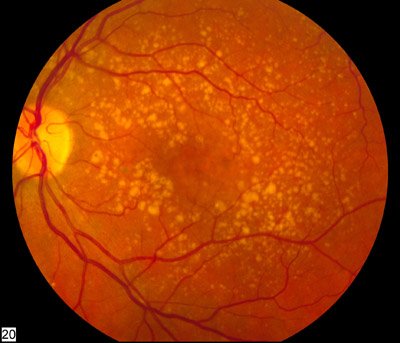
Age-related macular degeneration (AMD) is a progressive eye disease that affects the macula, the central part of the retina.
It causes loss of central vision, making it difficult to read, drive, or recognize faces.
AMD is more common in older adults and may be classified as dry or wet type.
Symptoms include blurry or dark central vision and visual distortion.
Treatment focuses on slowing progression through medications, laser therapy, or nutritional supplements.

उम्र से संबंधित मैक्यूलर डीजनरेशन (एएमडी) Read Post »

eye sight

मोतियाबिंद

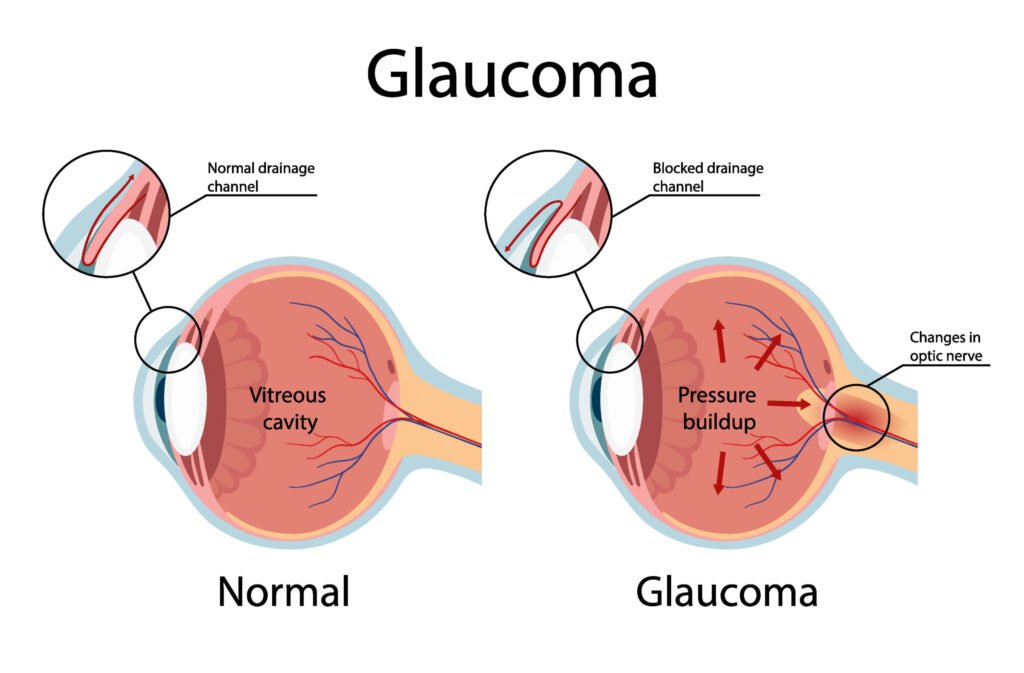
Glaucoma is a group of eye disorders that damage the optic nerve, often due to increased intraocular pressure.
It can lead to gradual loss of peripheral vision and, if untreated, permanent blindness.
Symptoms in early stages are usually minimal, making regular eye check-ups crucial.
Risk factors include age, family history, diabetes, and high blood pressure.
Treatment includes medicated eye drops, laser therapy, or surgery to lower eye pressure and prevent further damage.

मोतियाबिंद Read Post »

eye sight

मोतियाबिंद

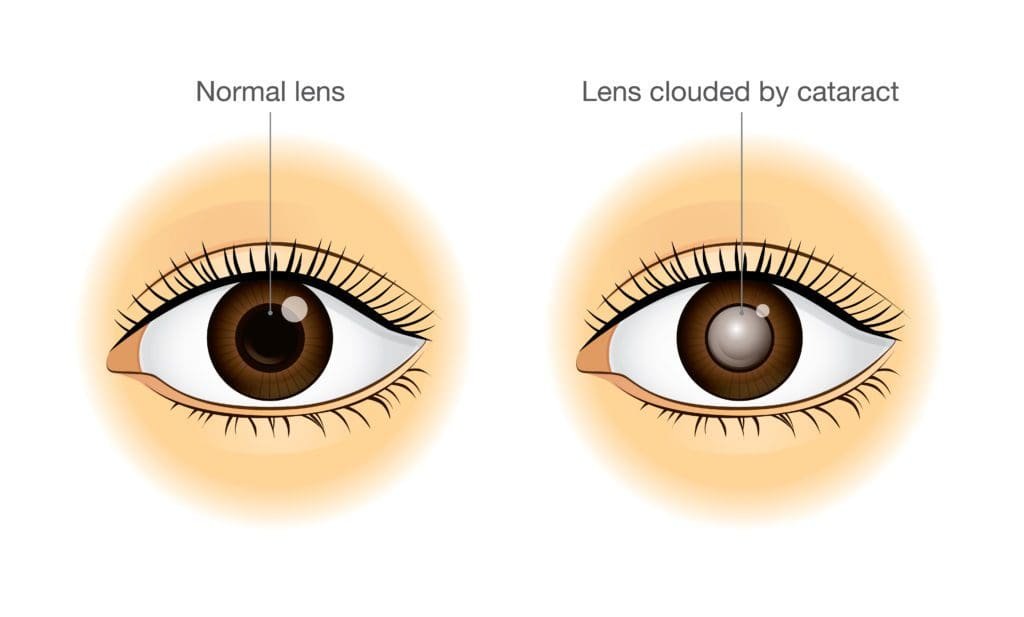
Cataract is a common eye condition where the lens becomes cloudy, leading to blurred or dim vision.
It usually develops gradually with age but can also result from injury, diabetes, or prolonged UV exposure.
Symptoms include difficulty seeing at night, sensitivity to light, and faded colors.
Diagnosis is made through a comprehensive eye examination.
Treatment involves surgical removal of the cloudy lens and replacement with an artificial intraocular lens.

मोतियाबिंद Read Post »

eye sight

स्ट्रैबिस्मस (भैंगापन)

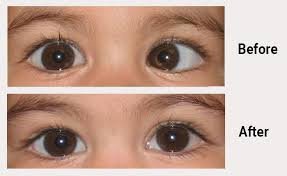
Strabismus, commonly called squint, is a condition where the eyes do not align properly and point in different directions.
It can be constant or intermittent and may affect one or both eyes.
Symptoms include double vision, poor depth perception, and eye strain.
Early diagnosis is important to prevent amblyopia (lazy eye) and vision problems.
Treatment options include corrective glasses, eye exercises, vision therapy, or surgery in severe cases.

स्ट्रैबिस्मस (भैंगापन) Read Post »

eye sight

एम्ब्लियोपिया (आलसी आँख)

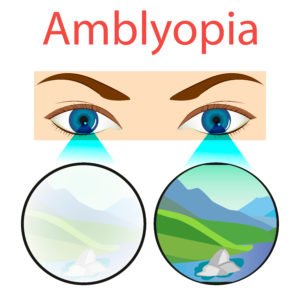
Amblyopia, commonly known as lazy eye, is a vision disorder where one eye has reduced vision because it and the brain do not work together properly.
It usually develops in early childhood due to strabismus, refractive errors, or visual deprivation.
Symptoms include poor depth perception, squinting, or favoring one eye.
Early diagnosis is crucial to prevent permanent vision loss.
Treatment includes eye patches, corrective lenses, vision therapy, or treating the underlying cause.

एम्ब्लियोपिया (आलसी आँख) Read Post »

eye sight

प्रेसबायोपिया

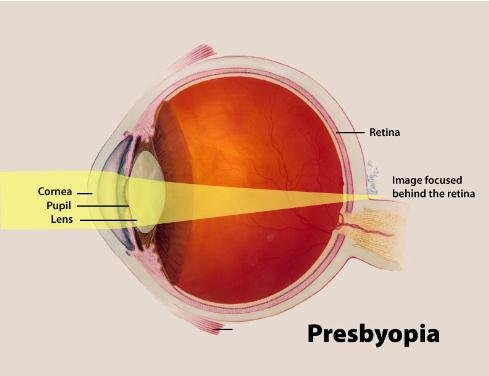
Presbyopia is an age-related vision condition where the eye gradually loses its ability to focus on nearby objects.
It occurs due to hardening of the eye’s lens, usually after the age of 40.
Common symptoms include difficulty reading small print, eyestrain, and headaches while doing close work.
It is diagnosed through a routine eye examination.
Treatment includes reading glasses, bifocals, multifocal contact lenses, or corrective surgery.

प्रेसबायोपिया Read Post »