Thyroid

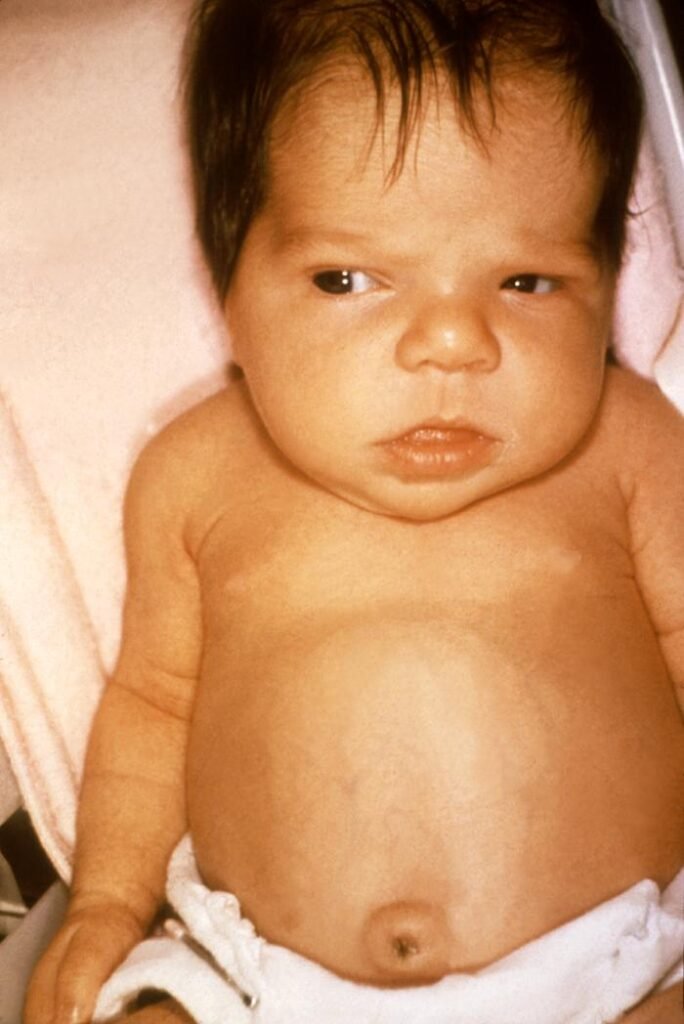
Congenital Hypothyroidism

Congenital hypothyroidism is a condition present at birth due to an underactive or absent thyroid gland.
It can result from genetic defects, iodine deficiency, or developmental abnormalities of the thyroid.
Early symptoms include prolonged jaundice, poor feeding, lethargy, and delayed growth.
If left untreated, it can lead to intellectual disability and growth retardation.
Early detection through newborn screening and prompt thyroid hormone therapy ensure normal development.

Congenital Hypothyroidism Read Post »

Thyroid

Tertiary Hypothyroidism

Tertiary hypothyroidism occurs due to a dysfunction of the hypothalamus, which fails to produce enough TRH (thyrotropin-releasing hormone).
This leads to decreased stimulation of the pituitary gland and subsequently low thyroid hormone levels.
It is a rare form of hypothyroidism, often caused by brain injury, tumors, or long-term radiation therapy.
Symptoms include fatigue, weight gain, depression, dry skin, and intolerance to cold.
Treatment involves thyroid hormone replacement and addressing the underlying hypothalamic disorder.

Tertiary Hypothyroidism Read Post »

Thyroid

Secondary Hypothyroidism

Secondary hypothyroidism is caused by a failure of the pituitary gland to secrete adequate thyroid-stimulating hormone (TSH).
This leads to reduced activity of the thyroid gland and low thyroid hormone levels.
Common causes include pituitary tumors, head trauma, radiation, or certain medications.
Symptoms include fatigue, weight gain, hair loss, depression, and cold intolerance.
Treatment involves managing the pituitary cause and thyroid hormone replacement therapy.

Secondary Hypothyroidism Read Post »

Thyroid

Primary Hypothyroidism

Primary hypothyroidism occurs when the thyroid gland itself is unable to produce sufficient thyroid hormones.
It is often caused by autoimmune thyroiditis (Hashimoto’s disease), iodine deficiency, or thyroid surgery.
The condition leads to a slowdown in metabolism and affects multiple body systems.
Symptoms include fatigue, weight gain, constipation, dry skin, and sensitivity to cold.
Treatment involves thyroid hormone replacement therapy and regular thyroid function monitoring.

Primary Hypothyroidism Read Post »

Thyroid

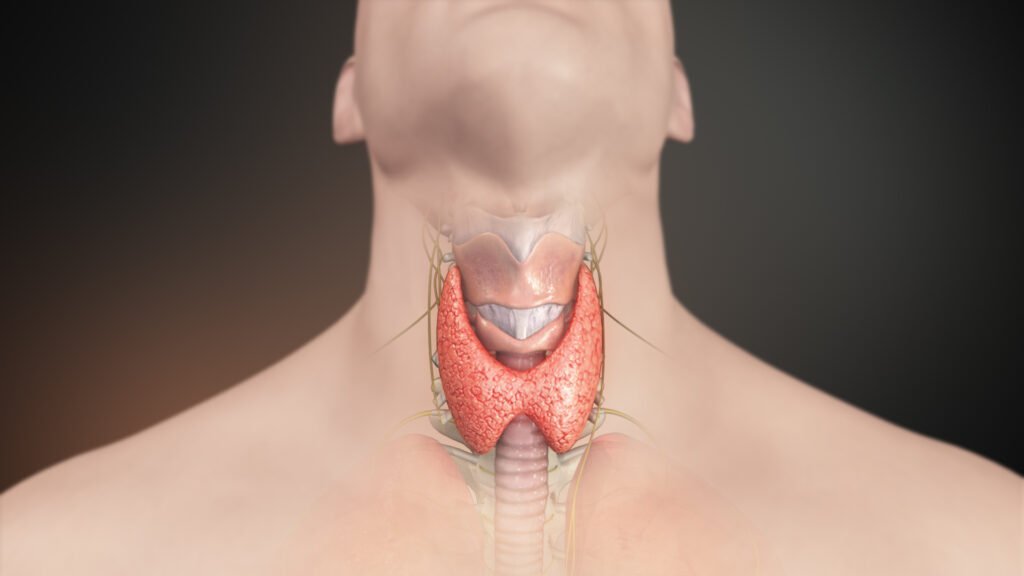
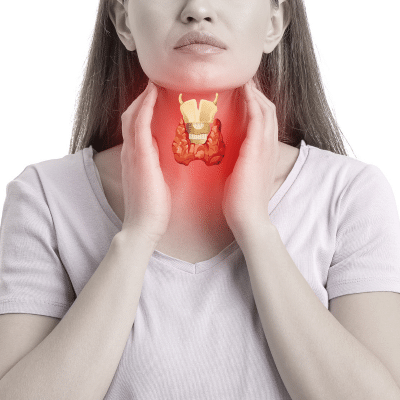
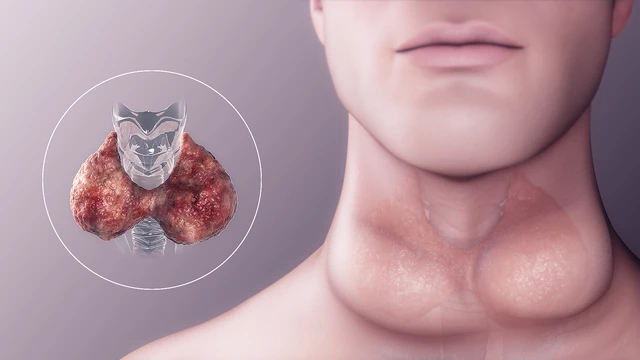
Hypothyroidism

Hypothyroidism is a condition where the thyroid gland fails to produce enough thyroid hormones.
It slows down body metabolism, affecting various organs and bodily functions.
Common symptoms include fatigue, weight gain, dry skin, hair loss, cold intolerance, and depression.
It may result from autoimmune disorders, iodine deficiency, or thyroid surgery.
Treatment involves lifelong thyroid hormone replacement and regular monitoring of hormone levels.

Hypothyroidism Read Post »

Cervical Spondylitis

Postural Cervical Spondylitis

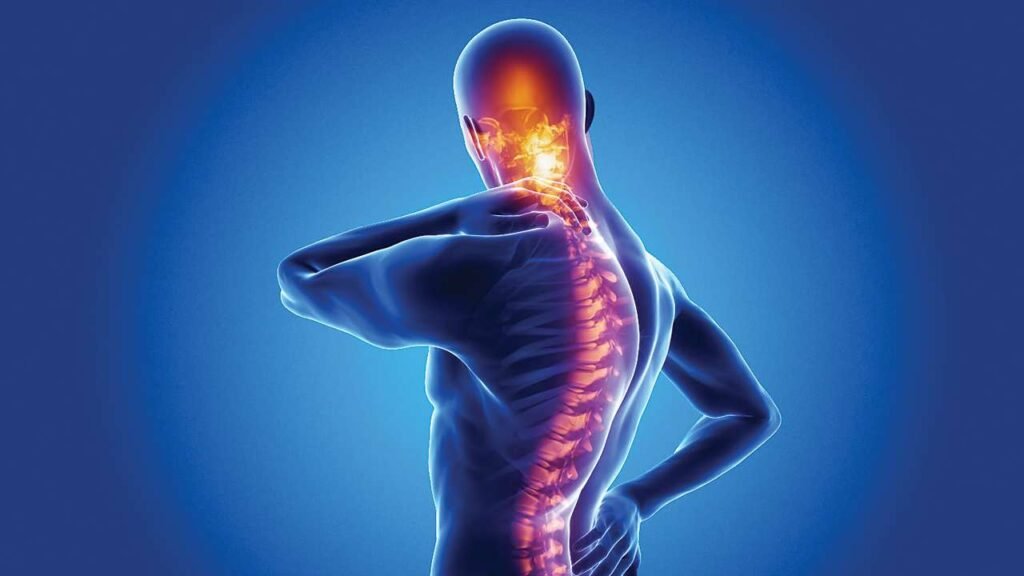
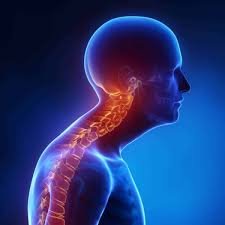
Postural cervical spondylitis is neck pain and stiffness caused by poor posture and prolonged strain on the cervical spine.
It commonly affects people who work long hours at desks, computers, or using smartphones.
Symptoms include neck pain, shoulder stiffness, headaches, and reduced range of motion.
Muscle fatigue and mild nerve irritation may also occur in chronic cases.
Treatment focuses on correcting posture, ergonomic adjustments, physiotherapy, exercises, and pain management.

Postural Cervical Spondylitis Read Post »

Cervical Spondylitis

Cervical Osteoarthritis (Cervical Spondylosis / Degenerative Joint Disease)

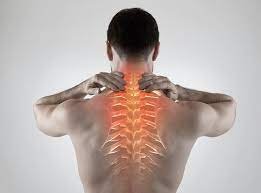
Cervical osteoarthritis, also known as cervical spondylosis, is the age-related degeneration of the joints and discs in the neck.
It can lead to narrowing of the spinal canal and compression of nerves.
Symptoms include neck stiffness, pain radiating to the shoulders or arms, headaches, and reduced range of motion.
Severe cases may cause numbness, tingling, or weakness in the arms or hands.
Treatment involves pain management, physiotherapy, lifestyle modifications, and in some cases, surgical intervention.

Cervical Osteoarthritis (Cervical Spondylosis / Degenerative Joint Disease) Read Post »

Cervical Spondylitis

Cervical Disc Prolapse

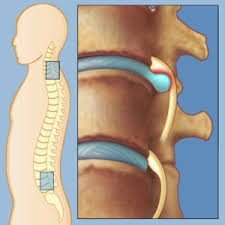
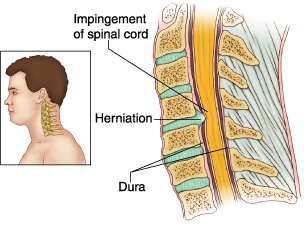
Cervical disc prolapse occurs when the soft inner core of a cervical spinal disc pushes through its outer layer.
This can compress nearby nerves or the spinal cord, causing pain and neurological symptoms.
It is often caused by age-related degeneration, trauma, or repetitive neck strain.
Symptoms include neck pain, radiating pain to the shoulders or arms, tingling, numbness, and muscle weakness.
Treatment involves rest, physiotherapy, pain management, and in severe cases, surgical intervention.

Cervical Disc Prolapse Read Post »

Cervical Spondylitis

Cervical Spondylotic Myeloradiculopathy

Cervical spondylotic myeloradiculopathy is a condition where degenerative changes in the cervical spine compress both the spinal cord and nerve roots.
It is commonly caused by cervical spondylosis, disc degeneration, or bone spurs.
Symptoms include neck pain, radiating arm pain, numbness, weakness, and difficulty with hand coordination or walking.
Patients may also experience balance problems, muscle stiffness, and fine motor skill impairment.
Treatment involves physiotherapy, medications, and surgical intervention in severe or progressive cases.

Cervical Spondylotic Myeloradiculopathy Read Post »

Cervical Spondylitis

Cervical Spondylotic Radiculopathy

Cervical spondylotic radiculopathy occurs when degenerative changes in the cervical spine compress a nerve root.
It is commonly caused by cervical spondylosis, bone spurs, or disc degeneration.
Symptoms include neck pain radiating to the shoulder, arm, or fingers with tingling or numbness.
Weakness in the affected arm and difficulty with fine motor tasks may also occur.
Treatment includes physiotherapy, pain management, posture correction, or surgery in severe cases.

Cervical Spondylotic Radiculopathy Read Post »