सरवाइकल डिस्क प्रोलैप्स
सर्वाइकल डिस्क प्रोलैप्स क्या है?
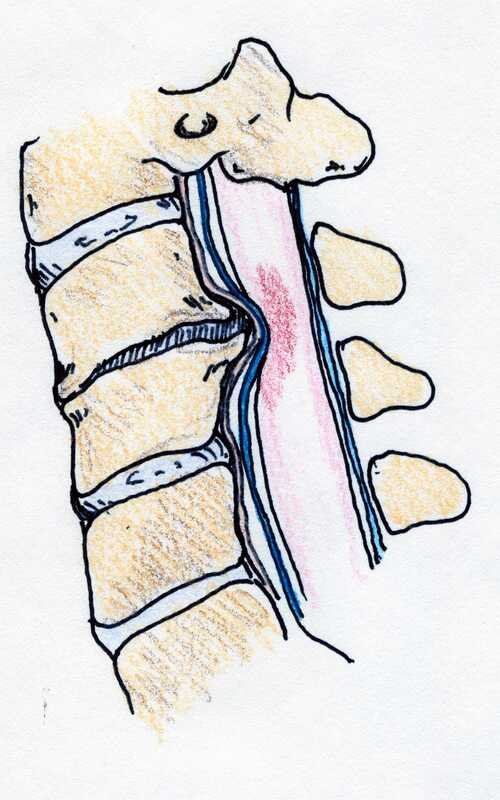
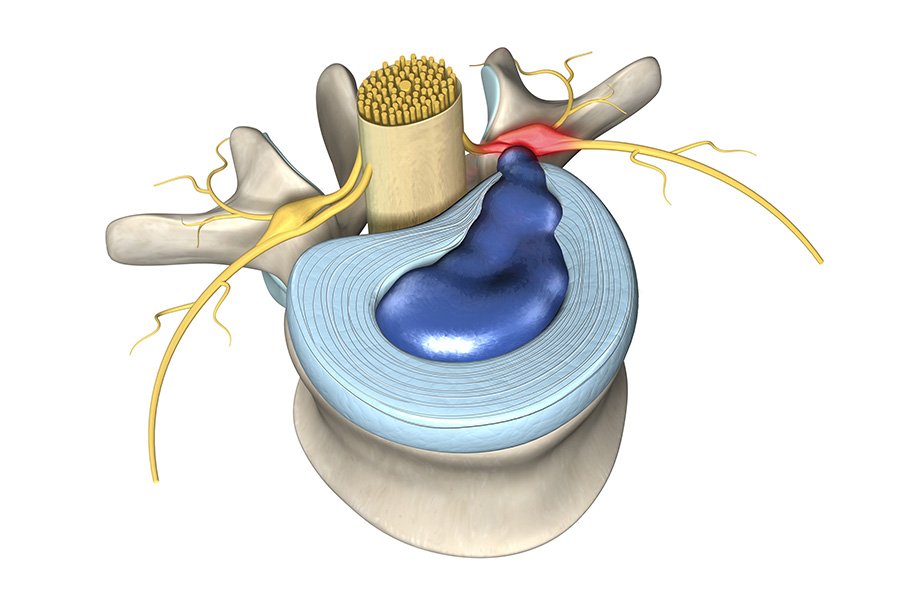
सर्वाइकल डिस्क प्रोलैप्स, जिसे आमतौर पर गर्दन में स्लिप्ड डिस्क के रूप में जाना जाता है, तब होता है जब इंटरवर्टेब्रल डिस्क का नरम आंतरिक भाग (न्यूक्लियस पल्पोसस) बाहरी रेशेदार रिंग (एनलस फाइब्रोसस) के माध्यम से उभार या टूट जाता है।
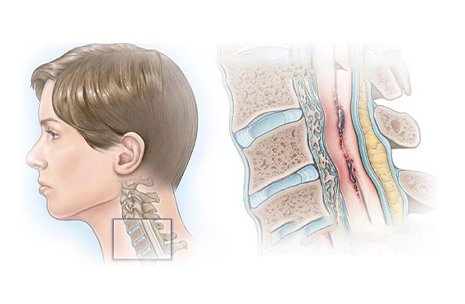
यह उभरा हुआ हिस्सा आसपास की नसों पर या गंभीर मामलों में रीढ़ की हड्डी पर ही दबाव डालता है।
होम्योपैथिक दृष्टिकोण से, यह केवल एक यांत्रिक मुद्दा नहीं है, बल्कि शरीर की महत्वपूर्ण शक्ति के भीतर आंतरिक कमजोरी और अपक्षयी असंतुलन का संकेत है।
इससे पता चलता है कि ऊतकों ने अपनी लोच, टोन और जीवन शक्ति खो दी है - अक्सर पुराने तनाव, खराब मुद्रा, या अतीत में दबी हुई सूजन के कारण।
पैथोफिजियोलॉजी
प्रत्येक स्पाइनल डिस्क कशेरुकाओं के बीच एक कुशन के रूप में कार्य करती है।
जब डिस्क निर्जलित, कमजोर या घिसी हुई हो जाती है, तो हल्का तनाव (जैसे अचानक मुड़ना या झुकना) भी नरम केंद्र को बाहर निकालने का कारण बन सकता है।
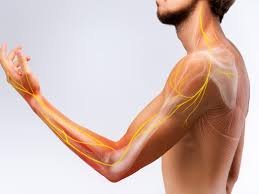
- फिर बाहर निकली हुई डिस्क गर्भाशय ग्रीवा की नसों पर दबाव डालती है, जिससे गर्दन, कंधे और बांह में दर्द, झुनझुनी या कमजोरी होती है।
- यदि संपीड़न केंद्रीय है, तो यह रीढ़ की हड्डी को भी प्रभावित कर सकता है, जिससे पैरों में भारीपन या असंतुलन हो सकता है।
होम्योपैथिक रूप से, यह अध:पतन सिफिलिटिक और साइकोटिक माइस्मैटिक प्रभाव को इंगित करता है - विनाश और अतिवृद्धि एक साथ होती है, जिसके परिणामस्वरूप तंत्रिका दबाव और कठोर संरचनाएं दोनों होती हैं।
लक्षण
लक्षण इस बात पर निर्भर करते हैं कि कौन सी तंत्रिका जड़ प्रभावित हुई है, लेकिन आम तौर पर इसमें शामिल हैं:
गर्दन के लक्षण:
- गर्दन में लगातार दर्द या अकड़न रहना
- हिलने-डुलने, छींकने या खांसने से दर्द बढ़ जाना
- लंबे समय तक जागने या बैठने के बाद अकड़न
तंत्रिका लक्षण (रेडिकुलोपैथी-जैसे):
- गर्दन → कंधे → बांह → अंगुलियों से तेज, शूटिंग दर्द
- हाथ या उंगलियों में सुन्नता या झुनझुनी
- कमजोर पकड़ या वस्तुओं को उठाने में कठिनाई
- कभी-कभी जलन, धड़कन या चुभन जैसा दर्द
उन्नत/गंभीर मामले (कॉर्ड संलिप्तता):
- दोनों हाथों या पैरों में भारीपन या कमजोरी
- संतुलन या समन्वय बनाए रखने में कठिनाई
- गर्दन झुकाने पर बिजली का झटका महसूस होना (लेर्मिट का लक्षण)
ये लक्षण शरीर के महत्वपूर्ण तंत्रिका मार्गों में शारीरिक दबाव और ऊर्जावान रुकावट दोनों को दर्शाते हैं।
निदान
- हालाँकि होम्योपैथी समग्र रूप से इलाज करती है, गंभीरता को समझने के लिए निदान महत्वपूर्ण है।
- एमआरआई सर्वाइकल स्पाइन - डिस्क उभार, हर्नियेशन, या तंत्रिका संपीड़न दिखाता है
- न्यूरोलॉजिकल परीक्षण - सजगता, मांसपेशियों की शक्ति और संवेदना की जांच करता है
- आसनीय मूल्यांकन - कमजोरी के कारण गलत संरेखण की जाँच करता है
होम्योपैथिक दृष्टिकोण
होम्योपैथी में, सर्वाइकल डिस्क प्रोलैप्स को एक गहरा संवैधानिक और यांत्रिक विकार माना जाता है, जो निम्न कारणों से होता है:
- लंबे समय तक तनाव और ख़राब मुद्रा (बाहरी कारण)
- ऊतकों की लोच और पोषण की आंतरिक हानि (आंतरिक कारण)
- अतीत में भारी दवाओं द्वारा तीव्र दर्द या सूजन का दमन
- भावनात्मक तनाव और चिंता (जो तंत्रिका तंत्र को कमजोर करते हैं)
इसलिए, उपचार का उद्देश्य है:
1. दर्द और झुनझुनी से प्राकृतिक रूप से राहत पाएं
2. सूजन और तंत्रिका दबाव को कम करें
3. डिस्क की लोच और ऊतक पोषण को बहाल करें
4. भीतर से रीढ़ की हड्डी की ताकत का पुनर्निर्माण करें
5. पुनरावृत्ति और अध:पतन को रोकें
होम्योपैथिक उपचार
उपाय संकेत (सरलीकृत स्पष्टीकरण)
काल्मिया लैटिफोलिया गर्दन से बांहों तक फैलने वाले तंत्रिका दर्द को दूर करने के लिए उत्कृष्ट; स्तब्ध हो जाना, झुनझुनी, या हाथों में अचानक कमजोरी। दर्द अक्सर नीचे की ओर बढ़ता है।
ग्नफैलियम पॉलीसेफालम ग्रीवा क्षेत्र में कटिस्नायुशूल जैसे दर्द के लिए - दर्द के साथ सुन्नता बारी-बारी से; रोगी को आराम और गर्म लेप से राहत महसूस होती है।
कोनियम मैकुलैटम गर्दन में अकड़न, चक्कर, और अपक्षयी परिवर्तनों से दर्द के लिए; विशेष रूप से बुजुर्ग या डेस्क से बंधे व्यक्तियों में।
रस टॉक्सिकोडेंड्रोन कठोरता और दर्द के लिए जो आराम के बाद बदतर हो जाता है, गति और गर्मी से बेहतर होता है। मांसपेशियों में खिंचाव और स्नायुबंधन की कमजोरी के कारण प्रोलैप्स होने का संकेत मिलता है।
गर्दन और कंधों में मांसपेशियों और तंत्रिका दर्द के लिए सिमिसिफुगा रेसेमोसा; दर्द बांहों तक फैल जाता है, ठंडी हवा और हरकत से बढ़ जाता है। खासकर तंत्रिका संबंधी कमजोरी वाली महिलाओं के लिए।
कोलोसिन्थिस तंत्रिका संपीड़न दर्द के लिए, तेज और काटने वाला, दबाव से या आगे झुकने से राहत मिलती है।
हाइपरिकम पेरफोराटम तंत्रिका चोटों या झुनझुनी, जलन और शूटिंग दर्द के साथ संपीड़न के लिए। अभिघातज के बाद के मामलों के लिए उत्कृष्ट।
कैल्केरिया फ्लोरिका क्रोनिक डिस्क विकृति और हड्डी के अतिवृद्धि के लिए, इंटरवर्टेब्रल डिस्क की लोच को बहाल करने में मदद करता है।
सिलिकिया धीमी चिकित्सा और संयोजी ऊतक की पुरानी कमजोरी के लिए; ऊतक पुनर्जनन और मजबूती को बढ़ावा देता है।
एक संवैधानिक उपाय विस्तृत मामले के विश्लेषण - शारीरिक, मानसिक और भावनात्मक पहलुओं - के बाद चुना जाता है, न कि केवल एमआरआई निष्कर्षों के आधार पर।
जीवनशैली एवं सहायक
- काम करते समय या फोन/लैपटॉप का उपयोग करते समय सही मुद्रा बनाए रखें
- यदि निर्धारित हो तो गर्दन कॉलर या सपोर्ट तकिया का उपयोग करें
- अचानक झटके लगने या भारी सामान उठाने से बचें
- आराम के लिए गर्म सेक लगाएं
- तीव्र दर्द कम होने के बाद गर्दन का हल्का व्यायाम करें
- विटामिन डी के लिए नियमित धूप लें
- डिस्क हाइड्रेशन के लिए खूब पानी पियें
- प्राकृतिक दर्द या भावनाओं को दबाने से बचें
जीवनशैली में सुधार और हल्के व्यायाम के साथ मिलाने पर होम्योपैथी सबसे अच्छा काम करती है।
रोगनिदान
उचित और निरंतर होम्योपैथिक उपचार के साथ:
- तीव्र दर्द और झुनझुनी कुछ ही हफ्तों में स्वाभाविक रूप से कम हो जाती है
- गर्दन की अकड़न और कमजोरी धीरे-धीरे ठीक हो जाती है
- तंत्रिका कार्य ठीक हो जाते हैं
- डिस्क का आगे अध:पतन रुक जाता है
- यदि शीघ्र उपचार किया जाए तो अक्सर सर्जरी को पूरी तरह से टाला जा सकता है
यहां तक कि महत्वपूर्ण ऊर्जा संतुलन और तंत्रिका पोषण को बहाल करके पुराने मामलों में भी काफी सुधार होता है।
सारांश
सर्वाइकल डिस्क प्रोलैप्स = गर्दन में स्लिप डिस्क के कारण तंत्रिका संपीड़न, दर्द और कठोरता होती है।
होम्योपैथी इसे एक यांत्रिक दोष के रूप में नहीं बल्कि आंतरिक असंतुलन के संकेत के रूप में देखती है, जहां ऊतक अपनी जीवन शक्ति खो देते हैं।
संवैधानिक उपचार के माध्यम से, होम्योपैथी का लक्ष्य है:
- दर्द दूर करे
- तंत्रिका चालकता बहाल करें
- डिस्क स्वास्थ्य को पुनर्जीवित करें
- पुनरावृत्ति को स्वाभाविक रूप से रोकें
संक्षेप में:
"होम्योपैथी सिर्फ डिस्क को पीछे नहीं धकेलती है - यह शरीर की ठीक करने, मरम्मत करने और स्थायी रूप से संतुलित रहने की शक्ति को बहाल करती है।"