skin problem

skin problem

Tinea Unguium / Onychomycosis (Fungal Nail Infection)

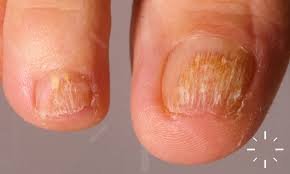
Tinea Unguium / Onychomycosis (Fungal Nail Infection) is a fungal infection that affects the nails of fingers or toes. It causes thickening, discoloration, brittleness, and sometimes crumbling of the nails. The infection can spread from skin or other nails and is more common in adults. Poor hygiene, trauma, and moist environments increase the risk. Early antifungal treatment helps prevent permanent nail damage.

Tinea Unguium / Onychomycosis (Fungal Nail Infection) Read Post »

skin problem

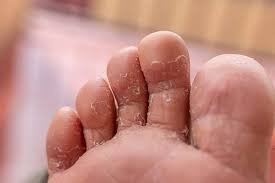
Tinea Pedis (Athlete’s Foot)

Tinea Pedis (Athlete’s Foot) is a common fungal infection affecting the feet, especially between the toes. It causes itching, burning, redness, and peeling or cracking of the skin. The infection spreads through direct contact with contaminated surfaces like floors, shoes, or socks. Moist and warm conditions worsen the condition. Proper foot hygiene and antifungal treatment help in effective recovery.

Tinea Pedis (Athlete’s Foot) Read Post »

skin problem

Tinea Cruris (Jock Itch)

Tinea Cruris (Jock Itch) is a fungal infection that affects the groin, inner thighs, and buttocks. It appears as red, itchy, and often ring-shaped patches with well-defined edges. The condition is more common in men and is aggravated by sweating and tight clothing. It spreads through direct contact or contaminated clothing and towels. Proper hygiene and antifungal treatment help in controlling the infection.

Tinea Cruris (Jock Itch) Read Post »

skin problem

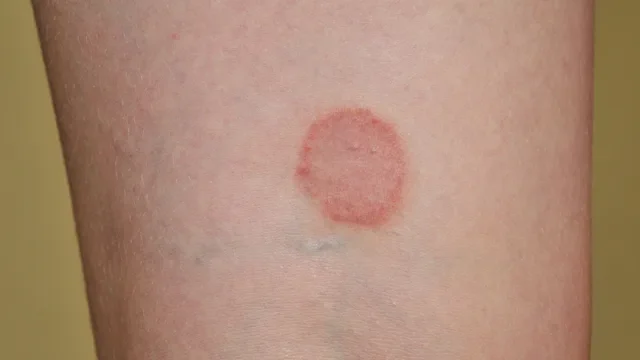
Tinea Corporis

Tinea Corporis is a fungal infection of the skin, commonly known as “ringworm of the body.” It presents as round or oval red, scaly patches with clear centers and raised edges. The infection can spread through direct contact with infected individuals, animals, or contaminated objects. It often affects the trunk, arms, and legs. Timely antifungal treatment and good hygiene help in effective recovery.

Tinea Corporis Read Post »

skin problem

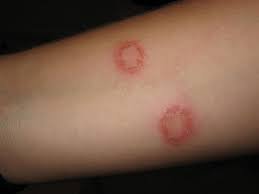
RINGWORM (TINEA / DERMATOPHYTOSIS)

Ringworm (Tinea / Dermatophytosis) is a common fungal infection of the skin, hair, or nails. It appears as circular, red, scaly patches with a clear center and raised border. The infection spreads through direct contact with infected people, animals, or objects. It commonly affects areas like the scalp, body, feet, and groin. Proper hygiene and antifungal treatment help in complete recovery.

RINGWORM (TINEA / DERMATOPHYTOSIS) Read Post »

skin problem, Vitiligo

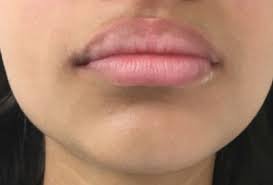
Mucosal Vitiligo

Mucosal Vitiligo affects the mucous membranes of the body, such as the lips, mouth, nose, genital areas, and sometimes eyes. It causes white or depigmented patches in these regions. This type does not usually involve the skin elsewhere on the body. It can occur alone or along with other forms of vitiligo. Early recognition helps in managing cosmetic and emotional concerns.

Mucosal Vitiligo Read Post »

skin problem, Vitiligo

Mixed Vitiligo

Mixed Vitiligo is a combination of two or more types of vitiligo, such as segmental and non-segmental forms. It shows both localized and generalized depigmentation patterns. This type often starts as segmental and later spreads like generalized vitiligo. The distribution of patches is irregular and unpredictable. Early diagnosis helps in managing its progression effectively.

Mixed Vitiligo Read Post »

skin problem, Vitiligo

Universal Vitiligo

Universal Vitiligo is the most extensive form of vitiligo, where almost all body skin loses its pigment. It affects more than 80–90% of the body surface area. The condition can develop from other types of vitiligo and may progress rapidly. Hair, eyebrows, and eyelashes may also turn white. It is often associated with autoimmune and genetic factors.

Universal Vitiligo Read Post »

skin problem, Vitiligo

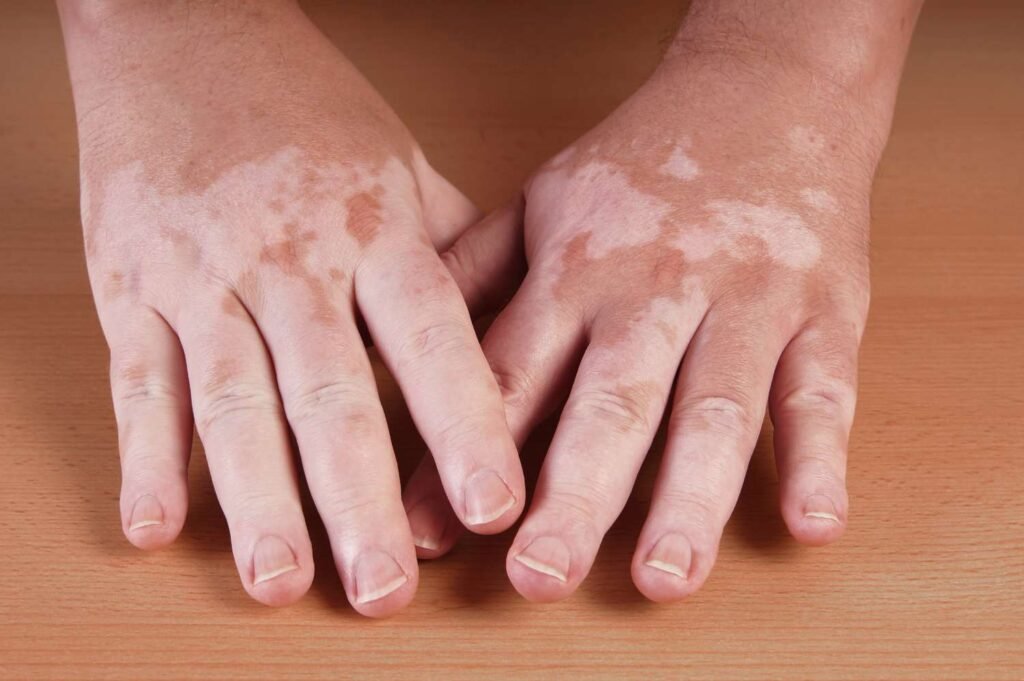
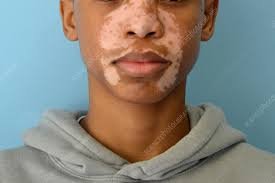
Acrofacial Vitiligo

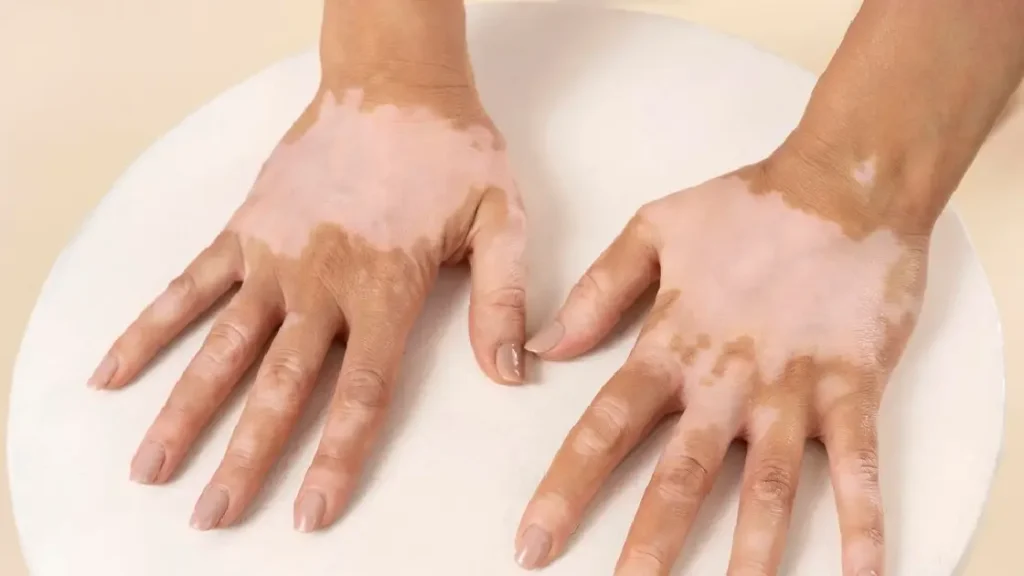
Acrofacial Vitiligo is a type of vitiligo that primarily affects the face and the extremities, such as the fingers, toes, hands, and feet. The depigmented patches often appear around body openings like the eyes, mouth, and nose. It occurs due to the destruction or malfunction of melanocytes, leading to loss of skin color in exposed areas. The condition may progress to generalized vitiligo in some cases. Treatment focuses on pigment restoration, sun protection, and cosmetic management.

Acrofacial Vitiligo Read Post »

skin problem, Vitiligo

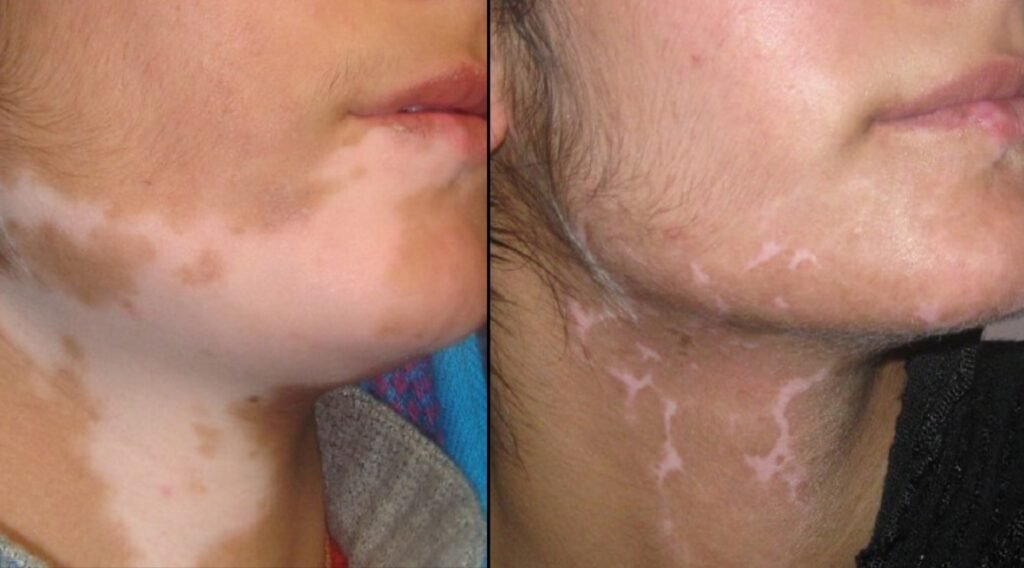
Generalized Vitiligo

Generalized Vitiligo is the most common form of vitiligo, characterized by widespread, symmetrical white patches on different parts of the body. It results from the loss of melanocytes, the pigment-producing cells, due to autoimmune activity. The condition may progress gradually or rapidly, affecting large skin areas over time. Commonly involved regions include the face, hands, and joints. Treatment aims to restore pigmentation, slow progression, and support emotional and cosmetic well-being.

Generalized Vitiligo Read Post »