Malaria

Malaria

Simple / Classical Mixed Malaria

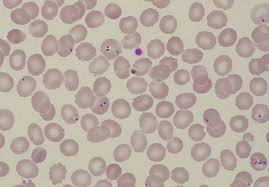
Mixed malaria occurs when a person is simultaneously infected with more than one species of Plasmodium parasite, most commonly P. vivax and P. falciparum.
Symptoms may be variable and severe, combining features of both intermittent and continuous fever patterns.
Patients often experience high fever, chills, anemia, weakness, and a higher risk of complications.
Diagnosis can be challenging and requires careful blood examination to identify multiple parasites.
From a homeopathic perspective, mixed malaria represents a complex disturbance of the vital force and needs careful, individualized constitutional treatment.

Simple / Classical Mixed Malaria Read Post »
Malaria

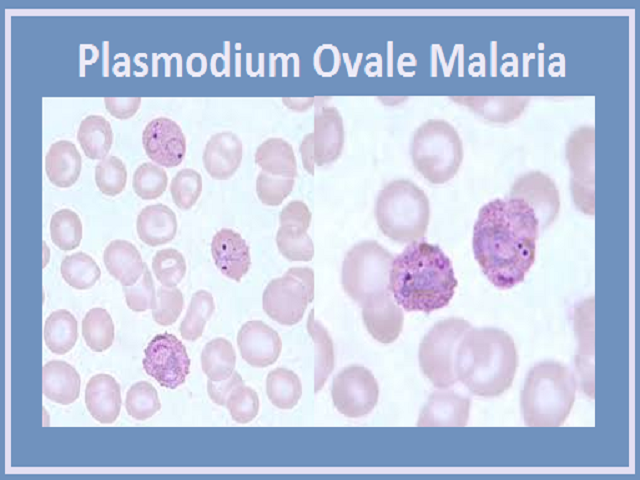
Simple / Classical Plasmodium Ovale Malaria

Plasmodium ovale malaria is a relatively rare and usually mild form of malaria found mainly in parts of Africa and the Western Pacific.
It causes intermittent fever with chills and sweating, typically occurring every 48 hours, similar to vivax malaria.
Like vivax, Plasmodium ovale can form dormant liver stages (hypnozoites), leading to relapses after months or years.
Symptoms include fever, headache, body aches, weakness, and mild anemia.
From a homeopathic perspective, it reflects a relapsing tendency of the disease, requiring constitutional treatment to prevent recurrence.

Simple / Classical Plasmodium Ovale Malaria Read Post »

Malaria

Simple / Classical Plasmodium Malaria

Plasmodium malariae causes a chronic form of malaria with fever typically recurring every 72 hours (quartan fever).
Symptoms are often milder but long-lasting, including fever, chills, sweating, weakness, and anemia.
This parasite infects red blood cells slowly, allowing the disease to persist for many years if untreated.
Chronic infection may lead to complications such as anemia, splenomegaly, and kidney involvement.
From a homeopathic perspective, it reflects a deep-seated, long-standing imbalance requiring constitutional and miasmatic treatment.

Simple / Classical Plasmodium Malaria Read Post »

Malaria

Simple / Classical Plasmodium Falciparum Malaria

Plasmodium falciparum malaria is the most severe and life-threatening form of malaria.
It causes high continuous fever, severe chills, headache, vomiting, and extreme weakness.
This type can rapidly lead to serious complications such as cerebral malaria, severe anemia, kidney failure, and shock.
Unlike vivax malaria, falciparum malaria does not usually relapse but progresses aggressively if untreated.
From a homeopathic perspective, it represents an acute, intense disturbance of the vital force requiring prompt and individualized treatment.

Simple / Classical Plasmodium Falciparum Malaria Read Post »

Malaria

Simple / Classical Plasmodium Vivax Malaria

Plasmodium vivax malaria is a common form of malaria characterized by intermittent fever with chills and sweating, usually occurring every 48 hours.
It primarily infects red blood cells and can cause anemia, weakness, headache, and enlargement of the spleen.
A unique feature of P. vivax is its ability to remain dormant in the liver (hypnozoites), leading to relapses months or years later.
Although generally less fatal than falciparum malaria, repeated attacks can significantly weaken the patient.
From a homeopathic perspective, it reflects a chronic miasmatic disturbance requiring constitutional treatment to prevent recurrence.

Simple / Classical Plasmodium Vivax Malaria Read Post »

Malaria

Malaria

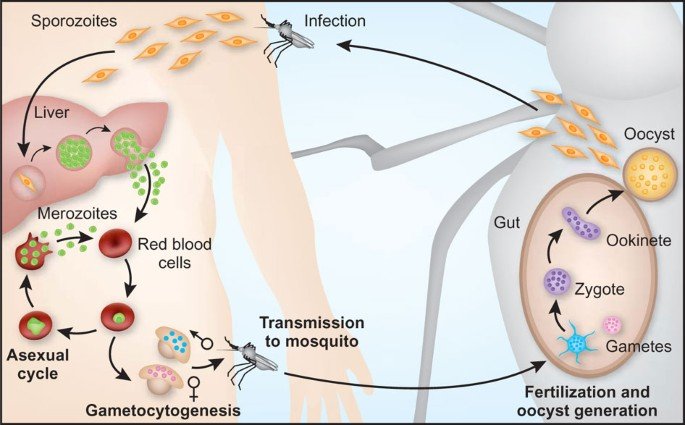
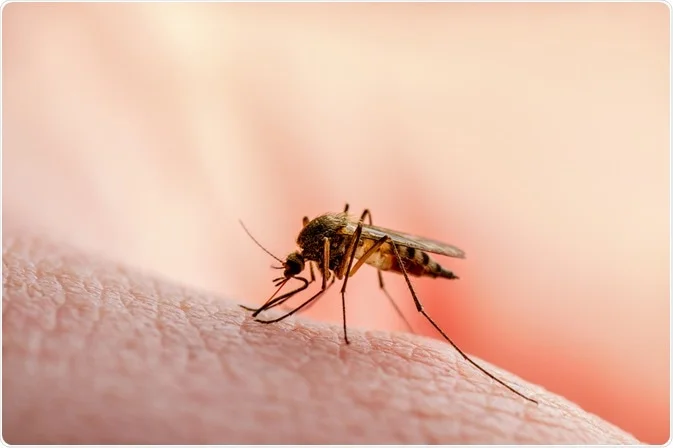
Malaria is an infectious disease caused by Plasmodium parasites and spread through the bite of infected female Anopheles mosquitoes.
It commonly presents with recurrent fever, chills, sweating, headache, body aches, and extreme weakness.
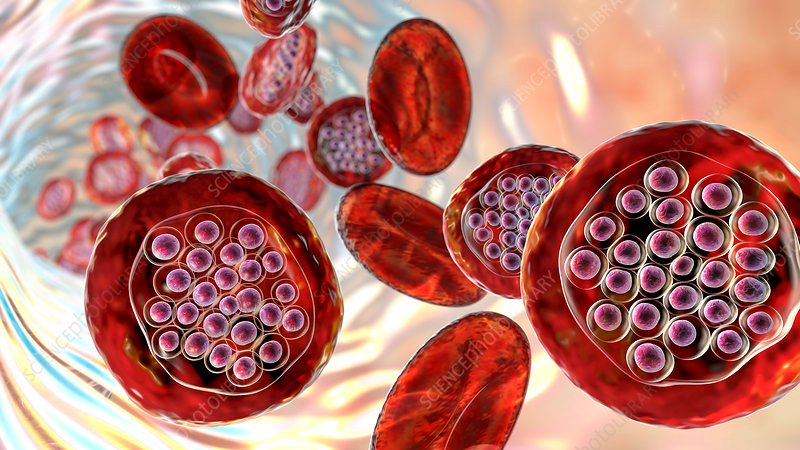
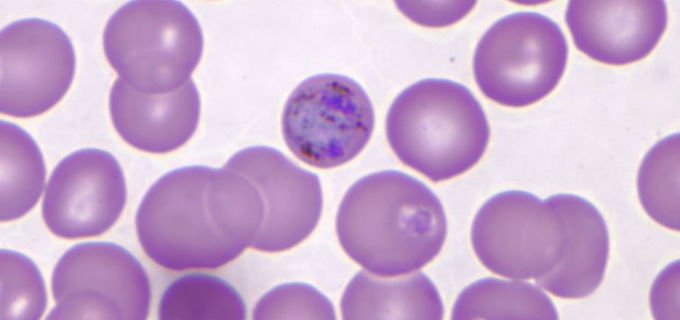
Malaria affects red blood cells and can lead to anemia, jaundice, and enlargement of the liver or spleen if untreated.
In homeopathic understanding, malaria reflects a deep disturbance of the vital force triggered by infection and environmental factors.
Early diagnosis and proper treatment are essential to prevent complications and ensure complete recovery.

Malaria Read Post »