Hair

Hair

ऑटोइम्यून रोग जो बालों के पतले होने का कारण बनते हैं

Autoimmune diseases can cause hair thinning when the immune system mistakenly attacks hair follicles.
Conditions such as alopecia areata, lupus, and thyroid autoimmune disorders commonly lead to diffuse or patchy hair loss.
Symptoms include sudden hair shedding, patchy bald spots, brittle hair, and changes in hair texture.
Hair loss may be temporary or chronic, depending on the underlying autoimmune condition.
Treatment focuses on managing the autoimmune disease, using immunosuppressive or anti-inflammatory therapies, and supportive hair care.

ऑटोइम्यून रोग जो बालों के पतले होने का कारण बनते हैं Read Post »

मधुमेह, Hair

मधुमेह-संबंधी ख़राब बाल विकास

Diabetes can affect hair growth due to poor blood circulation and hormonal imbalances.
High blood sugar levels may damage hair follicles, leading to slow growth or hair thinning.
Symptoms include sparse, brittle, or thinning hair on the scalp and sometimes body hair loss.
Peripheral neuropathy and reduced nutrient delivery to hair roots can worsen the condition.
Management focuses on blood sugar control, proper nutrition, hair care, and treatment of any underlying complications.

मधुमेह-संबंधी ख़राब बाल विकास Read Post »

Hair

पीसीओएस से संबंधित बालों का झड़ना और अत्यधिक बालों का बढ़ना

PCOS (Polycystic Ovary Syndrome) often leads to hormonal imbalance, causing hair thinning on the scalp and excessive hair growth on the face and body (hirsutism).
High androgen levels disrupt the normal hair growth cycle, resulting in premature hair shedding on the scalp.
Symptoms include patchy scalp hair loss, coarse facial hair, oily scalp, acne, and irregular menstrual cycles.
Insulin resistance and metabolic disturbances associated with PCOS can further worsen hair issues.
Treatment focuses on hormonal management, lifestyle modifications, cosmetic hair removal, and supportive hair care practices.

पीसीओएस से संबंधित बालों का झड़ना और अत्यधिक बालों का बढ़ना Read Post »

Hair

बालों का झड़ना थायराइड विकार से जुड़ा हुआ है

Hair loss associated with thyroid disorders occurs due to hormonal imbalances affecting hair growth cycles.
Both hypothyroidism (low thyroid hormone) and hyperthyroidism (high thyroid hormone) can lead to diffuse hair thinning.
Symptoms include hair shedding, dry or brittle hair, and changes in hair texture.
Other signs may include fatigue, weight changes, and skin or nail abnormalities.
Treatment involves diagnosing and managing the underlying thyroid disorder, along with supportive hair care and nutrition.

बालों का झड़ना थायराइड विकार से जुड़ा हुआ है Read Post »

Hair

रसायन, हीट स्टाइलिंग या खराब देखभाल के कारण बालों को नुकसान

Hair damage occurs when hair strands are weakened, broken, or discolored due to excessive chemical treatments, heat styling, or improper care.
Frequent use of hair dyes, straighteners, curlers, and bleaching agents can strip natural oils and proteins from hair.
Symptoms include split ends, dryness, frizz, breakage, and dull or brittle hair.
Poor hair care habits like overwashing, rough brushing, or neglecting conditioning worsen the damage.
Treatment involves minimizing chemical/heat exposure, using protective products, deep conditioning, and adopting gentle hair care routines.

रसायन, हीट स्टाइलिंग या खराब देखभाल के कारण बालों को नुकसान Read Post »

Hair

पोषक तत्वों की कमी के कारण पतले या कमज़ोर बाल

Thin or weak hair occurs when hair strands become fragile, fine, and prone to breakage due to inadequate nutrition.
Deficiencies in protein, iron, zinc, biotin, vitamins (A, D, E), and essential fatty acids are common causes.
Symptoms include hair thinning, slow growth, increased hair shedding, and lackluster appearance.
Prolonged nutritional deficiencies can worsen hair fragility and may lead to diffuse hair loss.
Treatment focuses on a balanced diet, nutritional supplementation, and proper hair care practices to strengthen hair.

पोषक तत्वों की कमी के कारण पतले या कमज़ोर बाल Read Post »

Hair

सूखे, भंगुर बाल

Dry, brittle hair is a common hair problem characterized by lack of moisture and elasticity in the hair shaft.
It can result from environmental exposure, frequent heat styling, chemical treatments, or nutritional deficiencies.
Symptoms include rough texture, split ends, hair breakage, and dull appearance.
The condition makes hair more prone to tangling and damage, reducing its overall strength.
Treatment involves deep conditioning, gentle hair care, avoiding harsh chemicals, proper nutrition, and protective hairstyles.

सूखे, भंगुर बाल Read Post »

Hair

हिर्सुटिज्म

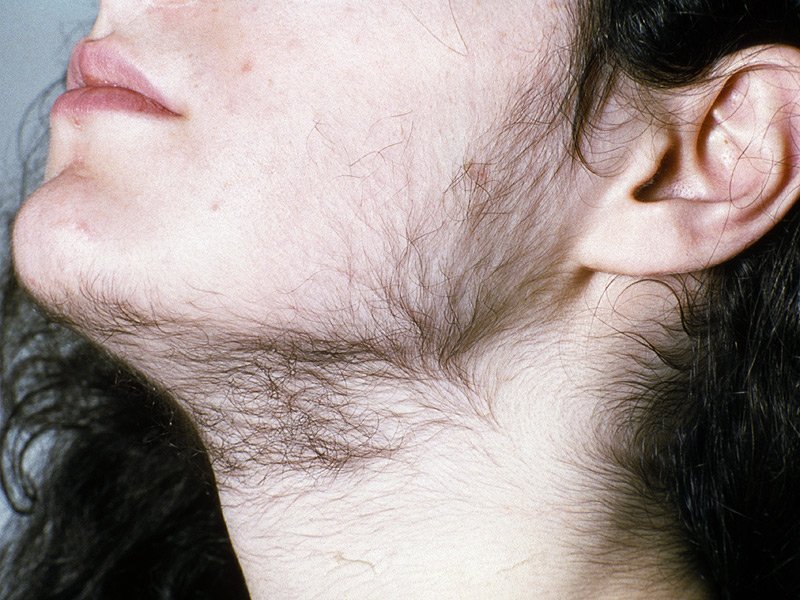
Hirsutism is a condition in women characterized by excessive male-pattern hair growth in areas such as the face, chest, and back.
It is usually caused by elevated androgen levels or increased sensitivity of hair follicles to androgens.
Common causes include polycystic ovary syndrome (PCOS), adrenal gland disorders, certain medications, or genetic factors.
Symptoms include coarse, dark hair growth in a pattern typical for males, along with possible acne or menstrual irregularities.
Treatment involves addressing the underlying hormonal imbalance, cosmetic hair removal, and medications like anti-androgens if needed.

हिर्सुटिज्म Read Post »

Hair

हाइपरट्रिचोसिस (अत्यधिक बाल विकास)

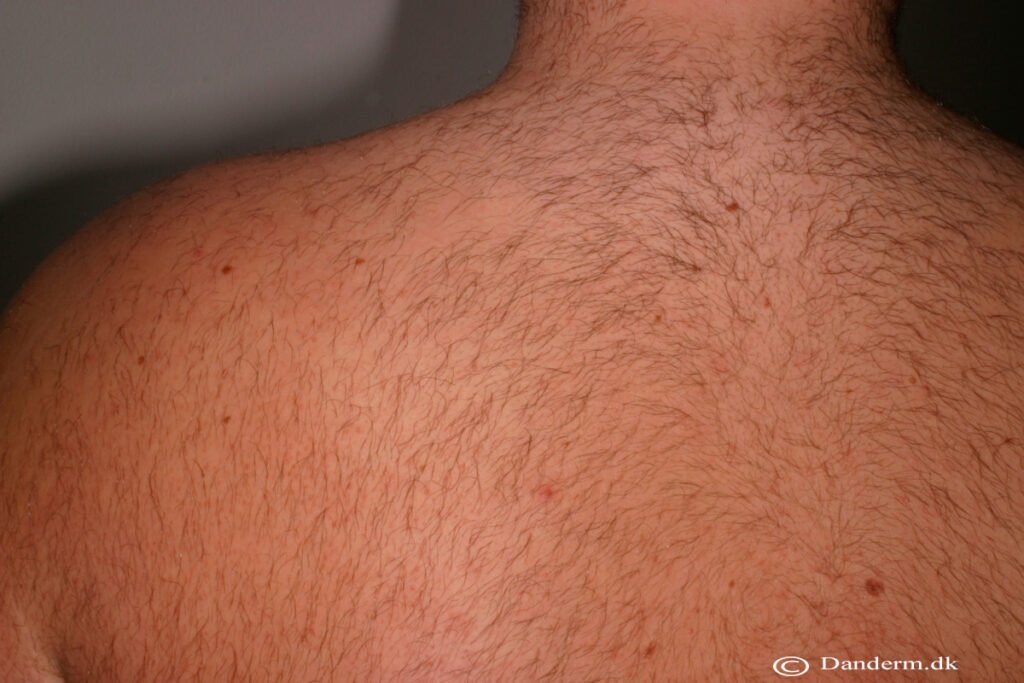
Hypertrichosis is a rare condition characterized by abnormal and excessive hair growth in areas not usually hairy.
It can be congenital (present at birth) or acquired later in life due to medications, hormonal imbalance, or systemic illness.
Unlike hirsutism, it affects both males and females without following androgen patterns.
Symptoms include thick, coarse, or fine hair covering the face, arms, back, or the entire body.
Treatment focuses on managing underlying causes, cosmetic removal methods (shaving, waxing, laser), and medical therapies if indicated.

हाइपरट्रिचोसिस (अत्यधिक बाल विकास) Read Post »

Hair

ट्राइकोप्टिलोसिस (बालों के दोमुंहे सिरे)

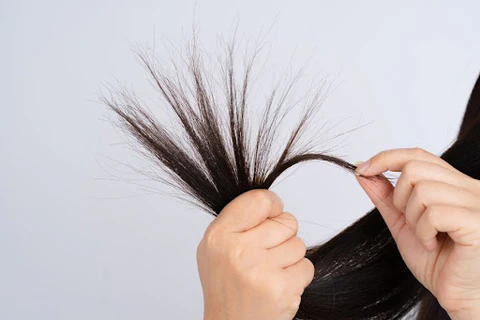
Trichoptilosis, commonly known as split ends, occurs when the hair shaft frays or splits at the tip.
It is usually caused by excessive heat styling, chemical treatments, or mechanical damage.
The condition makes hair appear dry, rough, and unhealthy.
Split ends prevent proper hair growth and can worsen if not trimmed.
Regular trimming, gentle hair care, and nourishing treatments help prevent and manage split ends.

ट्राइकोप्टिलोसिस (बालों के दोमुंहे सिरे) Read Post »