
Gynecology

Female Health Issues, Gynecology

अनियमित मासिक चक्र

Irregular menstrual cycles are when the timing, flow, or duration of periods varies significantly.
Common causes include hormonal imbalance, PCOS, thyroid disorders, stress, weight changes, or excessive exercise.
Cycles may be shorter, longer, skipped, or involve unusually heavy/light bleeding.
Symptoms often include mood swings, acne, hair growth, infertility issues, and unpredictable bleeding.
Treatment focuses on correcting the underlying cause through lifestyle changes, medications, or hormone therapy.

अनियमित मासिक चक्र Read Post »

Female Health Issues, Gynecology

अत्यार्तव

Menorrhagia is abnormally heavy or prolonged menstrual bleeding.
It may cause soaking through pads/tampons every hour, passing large blood clots, or periods lasting more than 7 days.
Common causes include hormonal imbalance, fibroids, polyps, thyroid disorders, or bleeding disorders.
Symptoms often include fatigue, weakness, and anemia due to blood loss.
Treatment depends on the cause and may involve medications, hormone therapy, or surgical options like endometrial ablation or hysterectomy.

अत्यार्तव Read Post »

Female Health Issues, Gynecology

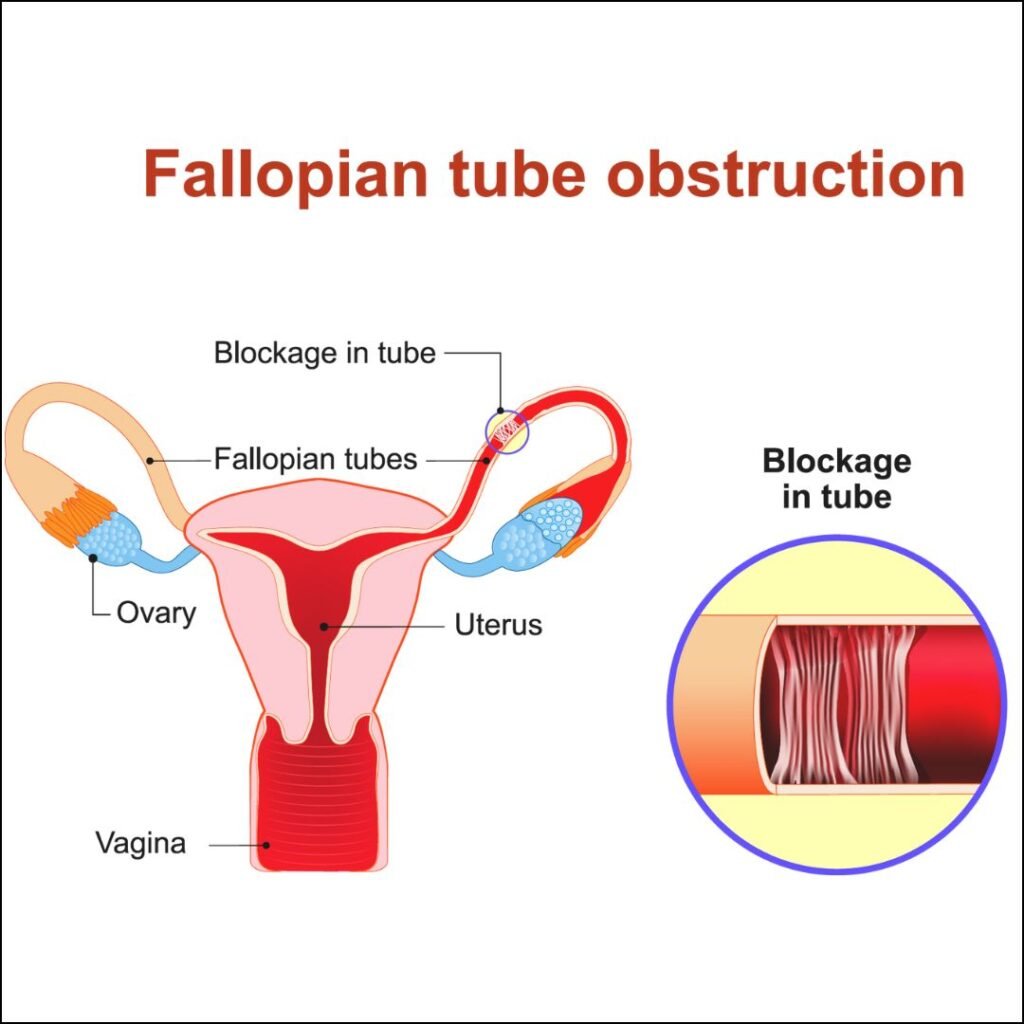
फैलोपियन ट्यूब कैंसर

Fallopian Tube Cancer is a rare gynecological cancer that develops in the fallopian tubes, which connect the ovaries to the uterus.
It is often linked to genetic factors such as BRCA1 and BRCA2 mutations.
Symptoms may include abnormal vaginal bleeding, pelvic or abdominal pain, bloating, and watery discharge.
Because it resembles ovarian cancer, it is often diagnosed at a later stage.
Treatment usually involves surgery to remove reproductive organs, followed by chemotherapy or targeted therapy.

फैलोपियन ट्यूब कैंसर Read Post »

Female Health Issues, Gynecology

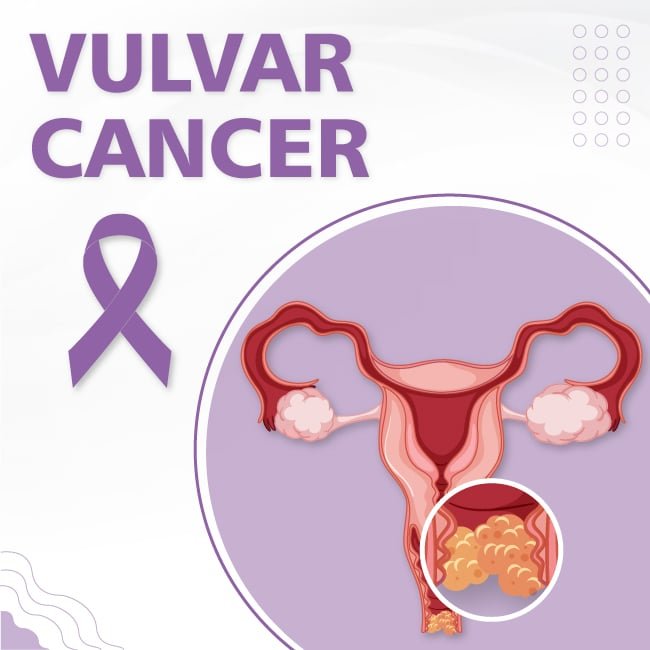
वुल्वर कैंसर

Vulvar Cancer develops in the external female genitalia, including the labia and surrounding tissues.
It is relatively rare and occurs more often in older women.
Risk factors include HPV infection, smoking, chronic vulvar irritation, and weakened immunity.
Symptoms may include persistent itching, burning, pain, skin color changes, or a lump/ulcer on the vulva.
Treatment options include surgery (vulvectomy), radiation therapy, chemotherapy, or targeted therapy depending on the stage.

वुल्वर कैंसर Read Post »

Gynecology

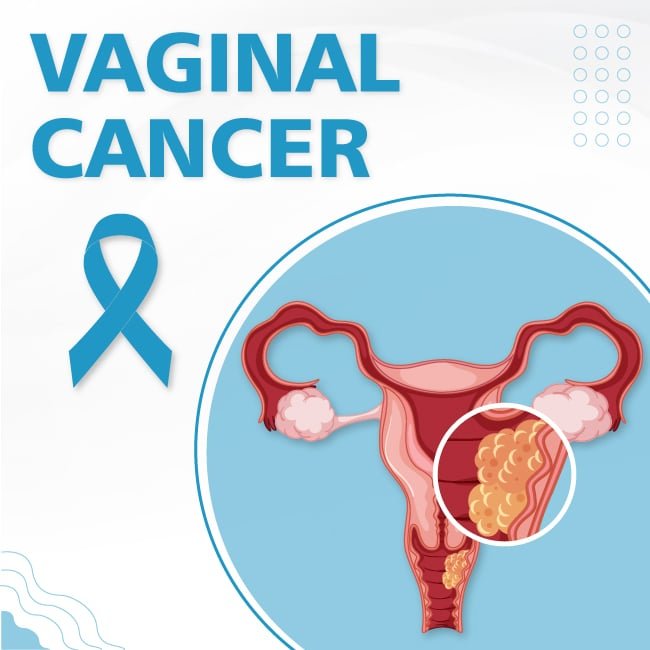
योनि का कैंसर

Vaginal Cancer develops in the cells of the vagina, the muscular tube connecting the uterus to the outside of the body.
It is a rare gynecological cancer, most often affecting older women.
Risk factors include HPV infection, smoking, prior cervical cancer, and long-term vaginal irritation.
Symptoms may include abnormal vaginal bleeding, watery discharge, pelvic pain, and a lump in the vagina.
Treatment may involve surgery, radiation therapy, chemotherapy, or targeted therapy depending on the stage.

योनि का कैंसर Read Post »

Female Health Issues, Gynecology

ग्रीवा कैंसर

Cervical Cancer develops in the cells of the cervix, the lower part of the uterus connecting to the vagina.
It is most commonly caused by persistent infection with high-risk types of Human Papillomavirus (HPV).
Risk factors include multiple sexual partners, early sexual activity, smoking, and weakened immunity.
Symptoms may include abnormal vaginal bleeding, foul-smelling discharge, pelvic pain, and pain during intercourse.
Treatment options include surgery, radiation therapy, chemotherapy, targeted therapy, and preventive HPV vaccination.

ग्रीवा कैंसर Read Post »

Female Health Issues, Gynecology

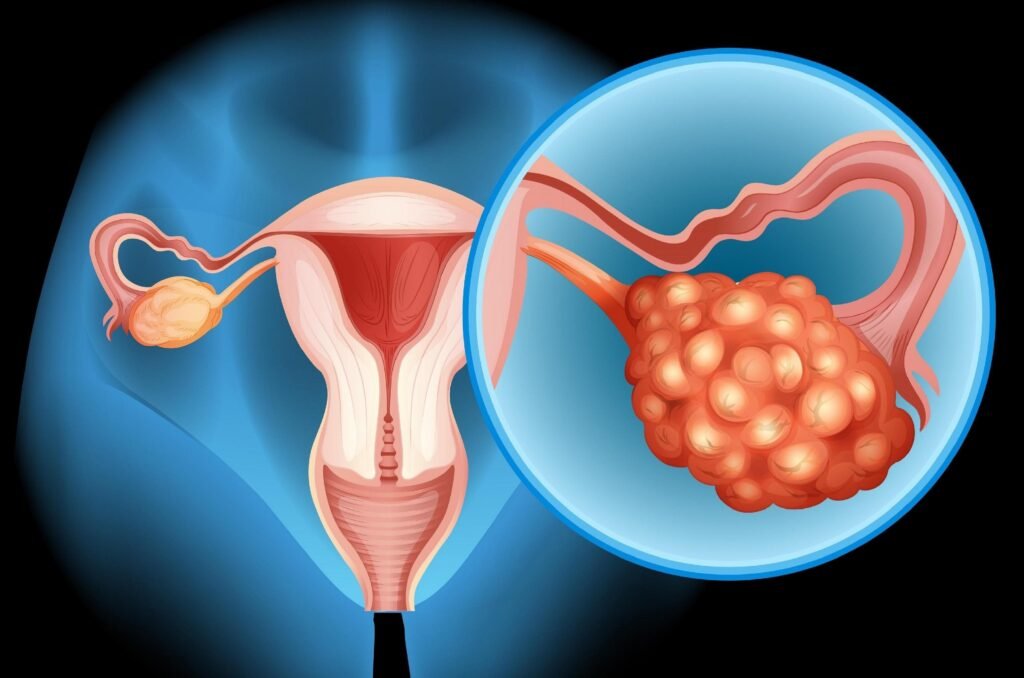
अंडाशयी कैंसर

Ovarian Cancer develops in the ovaries, the female reproductive organs that produce eggs and hormones.
It is often diagnosed late because early stages may not cause noticeable symptoms.
Risk factors include family history, BRCA gene mutations, older age, and never having been pregnant.
Symptoms may include bloating, abdominal swelling, pelvic pain, frequent urination, and changes in bowel habits.
Treatment options include surgery, chemotherapy, targeted therapy, and sometimes hormone therapy.

अंडाशयी कैंसर Read Post »