eye sight

eye sight, Thyroid

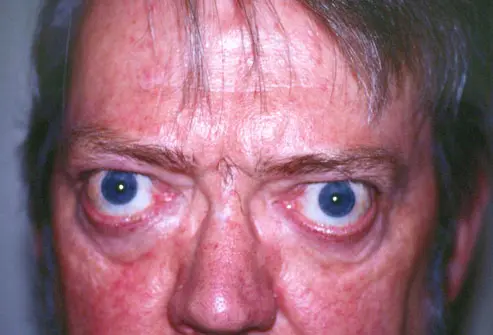
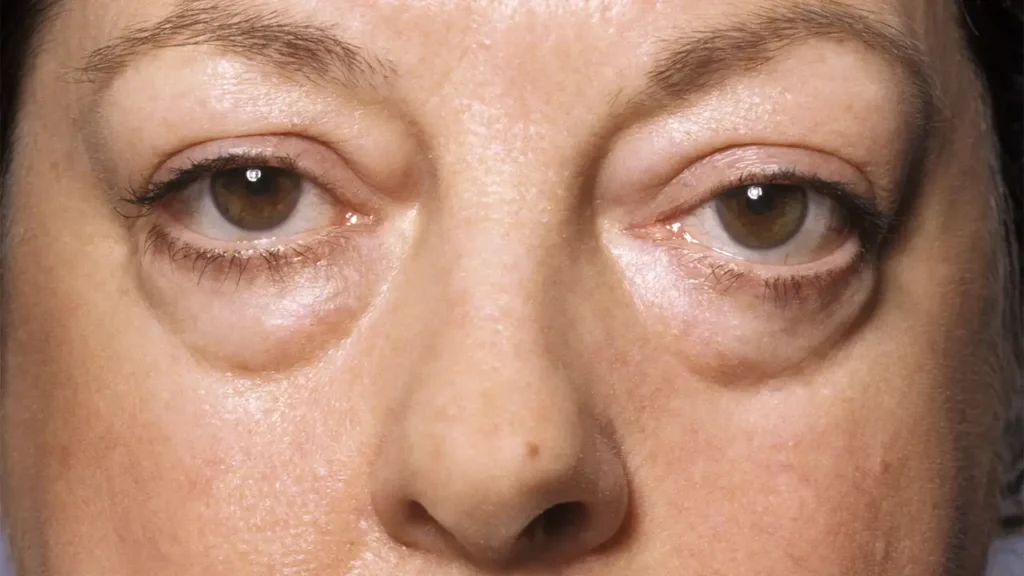
Thyroid Eye Disease (TED)

Thyroid Eye Disease (TED), also known as Graves’ ophthalmopathy, is an autoimmune condition linked with hyperthyroidism. It causes inflammation and swelling of the eye muscles and tissues around the eyes. Symptoms include bulging eyes, dryness, double vision, and eye pain. In severe cases, vision may be threatened due to optic nerve compression. Early diagnosis and management are essential to prevent permanent eye damage.

Thyroid Eye Disease (TED) Read Post »

eye sight, Thyroid

Graves’ Disease

Graves’ disease is an autoimmune disorder that causes the thyroid gland to overproduce thyroid hormones (hyperthyroidism).
It is more common in women and often associated with goiter and eye symptoms like bulging eyes (exophthalmos).
The condition leads to symptoms such as weight loss, rapid heartbeat, anxiety, and heat intolerance.
It results from antibodies stimulating the thyroid to produce excess hormones.
Early diagnosis and proper management can prevent severe complications and improve quality of life.

Graves’ Disease Read Post »

eye sight

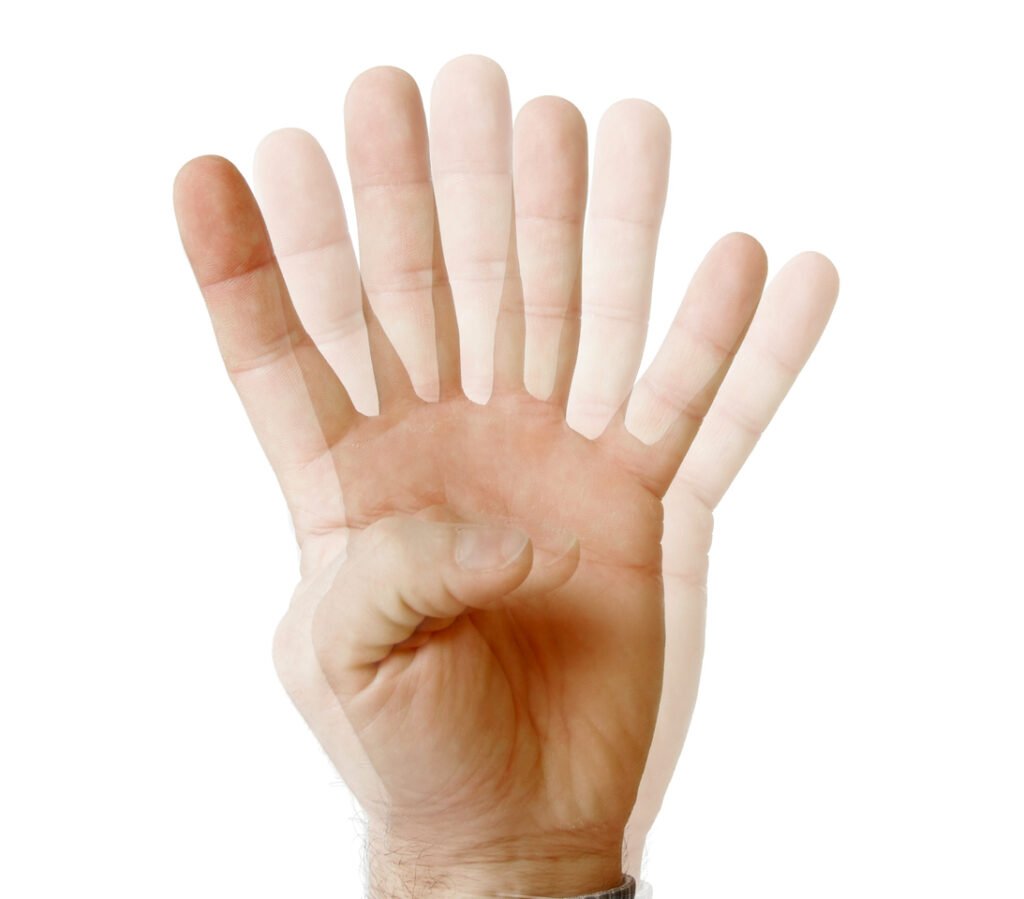
Double Vision (Diplopia)

Double vision, or diplopia, is a condition where a person sees two images of a single object.
It can be caused by eye muscle imbalance, nerve damage, cataracts, or neurological disorders.
Symptoms include misaligned images, difficulty focusing, headaches, and eye strain.
Diplopia may affect one eye (monocular) or both eyes (binocular).
Treatment depends on the underlying cause and may include corrective lenses, prism glasses, eye exercises, or surgery.

Double Vision (Diplopia) Read Post »

eye sight

Blurred Vision (Dim or Weak Sight)

Blurred vision is a condition where objects appear out of focus, dim, or unclear, affecting daily activities.
It can result from refractive errors like myopia, hypermetropia, astigmatism, or age-related changes.
Other causes include cataracts, glaucoma, diabetes, eye infections, or neurological conditions.
Symptoms include difficulty reading, recognizing faces, eye strain, and headaches.
Treatment depends on the underlying cause and may involve corrective lenses, medications, or surgical interventions.

Blurred Vision (Dim or Weak Sight) Read Post »

eye sight

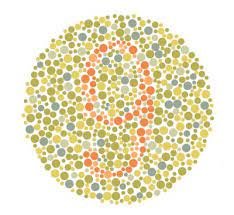
Color Blindness (Daltonism)

Color blindness, or Daltonism, is a vision deficiency where a person has difficulty distinguishing certain colors.
It is usually inherited and caused by abnormalities in the cone cells of the retina.
Common types include red-green color blindness and, less commonly, blue-yellow color blindness.
Symptoms include inability to differentiate between specific colors and confusion in color-based tasks.
There is no cure, but special lenses, filters, and adaptive strategies can help manage the condition.

Color Blindness (Daltonism) Read Post »

eye sight

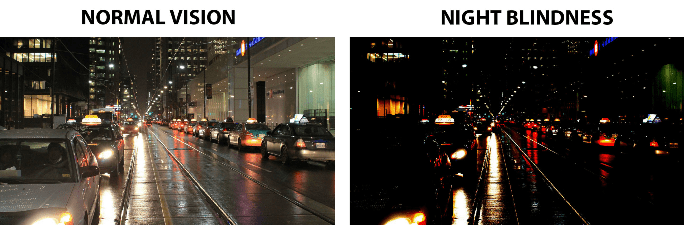
Night Blindness (Nyctalopia)

Night blindness, or nyctalopia, is a vision condition where a person has difficulty seeing in low light or darkness.
It can be caused by vitamin A deficiency, cataracts, retinitis pigmentosa, or other retinal disorders.
Symptoms include poor vision at night, difficulty driving in the dark, and increased risk of accidents.
Diagnosis is made through eye examinations and assessing retinal function.
Treatment focuses on correcting underlying causes, such as vitamin supplementation or cataract surgery, to improve night vision.

Night Blindness (Nyctalopia) Read Post »

eye sight

Photophobia (Sensitivity to Light)

Photophobia is a condition where the eyes are extremely sensitive to light, causing discomfort or pain.
It can result from eye infections, inflammation, migraines, or neurological conditions.
Symptoms include squinting, tearing, headache, and eye strain in bright environments.
Severe cases may make it difficult to perform daily activities in well-lit areas.
Treatment focuses on addressing the underlying cause and using protective measures like sunglasses or tinted lenses.

Photophobia (Sensitivity to Light) Read Post »

eye sight

Dry Eye Syndrome (Keratoconjunctivitis Sicca)

Dry Eye Syndrome, or Keratoconjunctivitis Sicca, occurs when the eyes do not produce enough tears or the tears evaporate too quickly.
It can result from aging, hormonal changes, medications, or prolonged screen use.
Symptoms include dryness, burning sensation, redness, irritation, and blurred vision.
If untreated, it may lead to corneal damage and eye discomfort.
Treatment includes artificial tears, lifestyle changes, addressing underlying causes, and sometimes medications to improve tear production.

Dry Eye Syndrome (Keratoconjunctivitis Sicca) Read Post »

eye sight

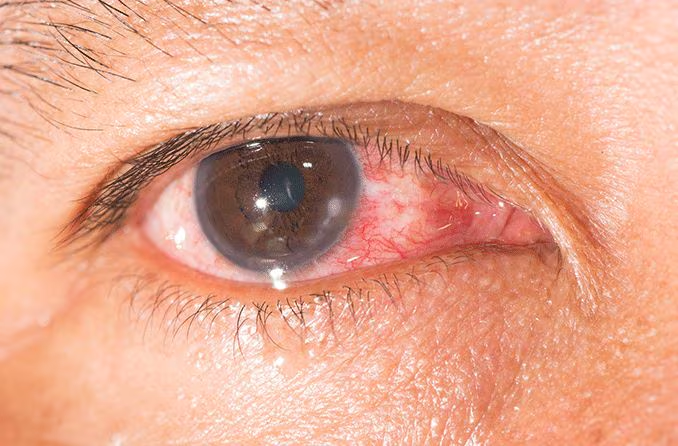
Keratitis (Corneal Inflammation)

Keratitis is the inflammation of the cornea, the clear front layer of the eye, often caused by infections, injury, or contact lens misuse.
It can be bacterial, viral, fungal, or due to dry eyes and irritants.
Symptoms include eye pain, redness, blurred vision, tearing, and light sensitivity.
If untreated, it may lead to corneal ulcers or vision loss.
Treatment depends on the cause and may involve antibiotic, antiviral, or antifungal eye drops along with proper eye care.

Keratitis (Corneal Inflammation) Read Post »

eye sight

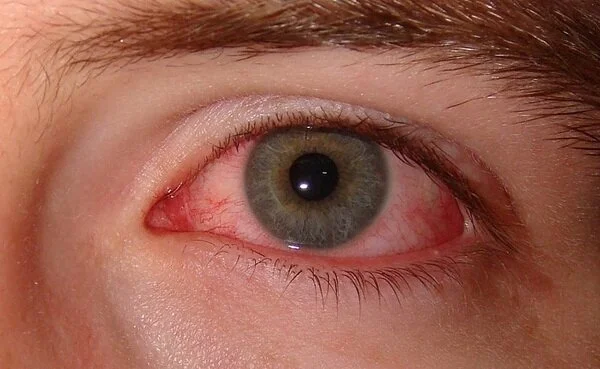
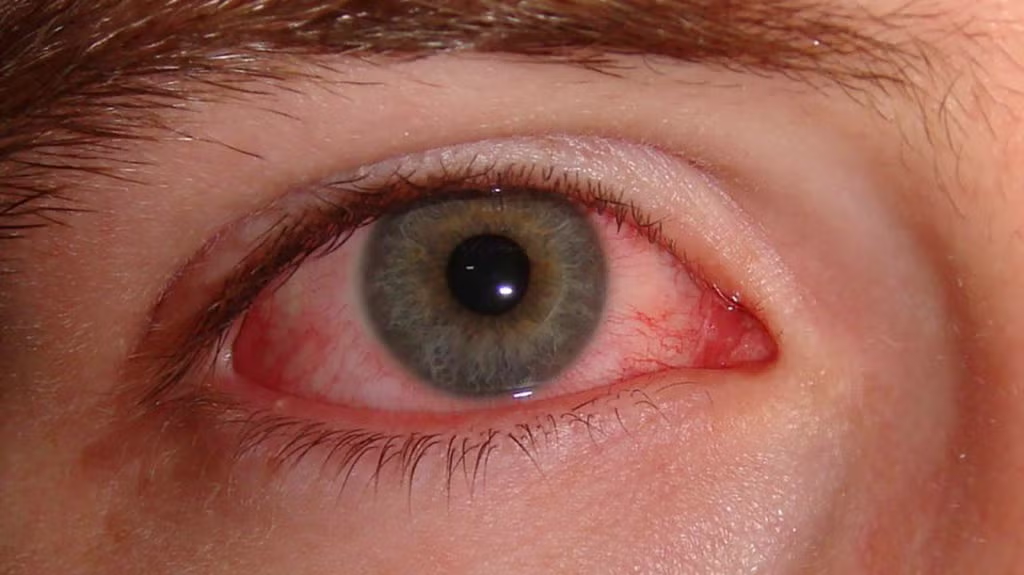
Conjunctivitis (Pink Eye)

Conjunctivitis, commonly known as pink eye, is the inflammation or infection of the conjunctiva — the thin membrane covering the white part of the eye.
It can be caused by viruses, bacteria, allergens, or irritants.
Symptoms include redness, itching, watery or sticky discharge, and swollen eyelids.
It spreads easily, especially in viral or bacterial cases.
Treatment depends on the cause and may include antibiotic drops, antihistamines, and maintaining proper eye hygiene.

Conjunctivitis (Pink Eye) Read Post »