
कब्ज़

कब्ज़

अंतःस्रावी और मेटाबोलिक कब्ज (माध्यमिक कब्ज)

Endocrine & Metabolic Constipation, also called Secondary Constipation, occurs due to hormonal or metabolic disorders.
Common causes include hypothyroidism, diabetes, hypercalcemia, and pregnancy-related hormonal changes.
Patients may experience infrequent bowel movements, bloating, fatigue, and systemic symptoms related to the underlying condition.
This type of constipation is secondary to another health problem rather than a primary bowel disorder.
Treatment focuses on managing the underlying disease along with dietary, lifestyle, and constipation-specific therapies.

अंतःस्रावी और मेटाबोलिक कब्ज (माध्यमिक कब्ज) Read Post »

कब्ज़

कब्ज के साथ चिड़चिड़ा आंत्र सिंड्रोम (आईबीएस-सी)

IBS-C is a functional gastrointestinal disorder characterized by abdominal pain and infrequent, hard, or difficult bowel movements.
Symptoms include bloating, discomfort, straining, and a sensation of incomplete evacuation.
Triggers often involve certain foods, stress, hormonal changes, or gut motility issues.
Though it does not cause permanent damage to the intestines, it can significantly affect quality of life.
Management includes dietary changes, fiber supplements, hydration, stress management, and medications to regulate bowel movements.

कब्ज के साथ चिड़चिड़ा आंत्र सिंड्रोम (आईबीएस-सी) Read Post »

कब्ज़

पेल्विक फ्लोर डिसफंक्शन (डिस्सिनर्जिक शौच)

Pelvic Floor Dysfunction, also known as Dyssynergic Defecation, occurs when the muscles of the pelvic floor do not coordinate properly during bowel movements.
This leads to difficulty in passing stool, straining, and a feeling of incomplete evacuation.
Causes include chronic constipation, muscle weakness, nerve injury, or habitual improper straining.
Symptoms may include bloating, abdominal discomfort, hemorrhoids, and prolonged toilet time.
Treatment involves pelvic floor exercises, biofeedback therapy, dietary modifications, and sometimes medications or surgical intervention.

पेल्विक फ्लोर डिसफंक्शन (डिस्सिनर्जिक शौच) Read Post »

कब्ज़

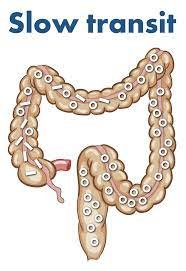
धीमी पारगमन कब्ज

Slow Transit Constipation occurs when the movement of stool through the colon is abnormally slow, leading to infrequent bowel movements.
Patients often experience bloating, abdominal discomfort, and a prolonged urge to defecate with little result.
The condition may result from nerve or muscle dysfunction in the colon, hormonal issues, or certain medications.
Chronic slow transit can lead to severe constipation, impacting quality of life and causing complications like hemorrhoids.
Management includes dietary fiber, hydration, regular exercise, medications to stimulate bowel movement, and in severe cases, medical or surgical interventions.

धीमी पारगमन कब्ज Read Post »

कब्ज़

सामान्य पारगमन कब्ज (कार्यात्मक कब्ज)

Normal Transit Constipation, also called functional constipation, occurs when bowel movements are difficult despite normal intestinal movement.
Patients often experience infrequent stools, straining, and a sense of incomplete evacuation.
The condition is usually not caused by underlying medical diseases but by diet, lifestyle, or stress.
Symptoms include bloating, abdominal discomfort, and irregular bowel habits.
Management involves increasing dietary fiber, hydration, regular exercise, and behavioral strategies to improve bowel habits.

सामान्य पारगमन कब्ज (कार्यात्मक कब्ज) Read Post »

कब्ज़

कब्ज़

Constipation is a common digestive problem characterized by infrequent, difficult, or painful bowel movements.
It can result from low fiber intake, dehydration, sedentary lifestyle, or certain medications.
Symptoms include hard stools, bloating, abdominal discomfort, and straining during bowel movements.
Chronic constipation may lead to hemorrhoids, anal fissures, or other gastrointestinal issues.
Treatment involves dietary changes, increased water intake, regular exercise, and sometimes laxatives or medical interventions.

कब्ज़ Read Post »