कब्ज़

कब्ज़, Hemorrhoids

मिश्रित बवासीर (मिश्रित बवासीर)

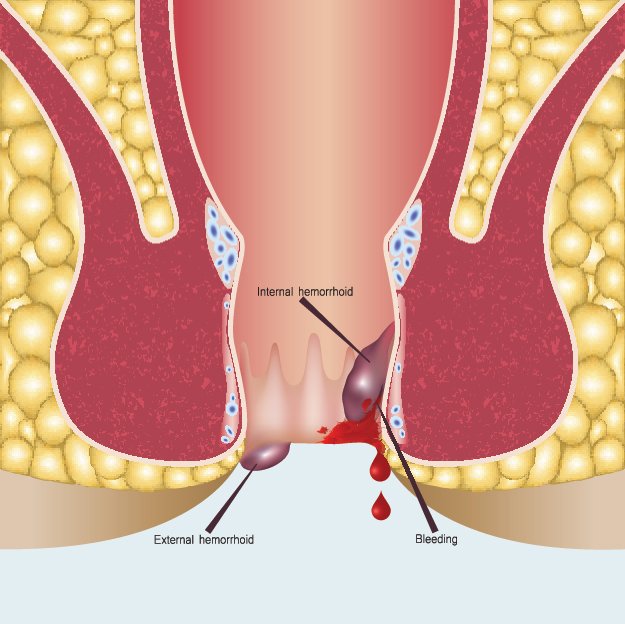
Mixed piles involve the presence of both internal and external hemorrhoids simultaneously.
Patients may experience pain, swelling, itching, and bleeding during or after bowel movements.
They can result from chronic constipation, straining, pregnancy, prolonged sitting, or low-fiber diets.
Complications can include prolapse, thrombosis, or persistent discomfort if left untreated.
Management involves dietary changes, hydration, stool softeners, topical treatments, and medical procedures for severe cases.

मिश्रित बवासीर (मिश्रित बवासीर) Read Post »

कब्ज़

मनोवैज्ञानिक/तनाव-संबंधी कब्ज

Psychogenic constipation is caused or worsened by emotional stress, anxiety, or psychological factors.
Patients may experience infrequent bowel movements, straining, bloating, and a sensation of incomplete evacuation.
Stress can disrupt the normal gut-brain interaction, affecting intestinal motility and bowel function.
Management includes stress reduction techniques, behavioral therapy, dietary modifications, and, in some cases, medications.
Addressing the underlying psychological factors is essential for long-term improvement.

मनोवैज्ञानिक/तनाव-संबंधी कब्ज Read Post »

कब्ज़

आदतन/पुरानी रेचक-आश्रित कब्ज

Habitual constipation occurs when individuals rely on laxatives for regular bowel movements over a long period.
Chronic laxative use can lead to weakened bowel muscles and reduced natural bowel function.
Symptoms include infrequent stools, bloating, abdominal discomfort, and dependence on laxatives to pass stool.
Management involves gradually tapering laxatives, dietary fiber increase, hydration, and behavioral modifications.
Long-term strategies focus on restoring normal bowel habits and preventing recurrence.

आदतन/पुरानी रेचक-आश्रित कब्ज Read Post »

कब्ज़

तीव्र कब्ज बनाम आंत्र रुकावट

Acute constipation is a temporary difficulty in passing stools, often due to diet, dehydration, or lifestyle factors.
Bowel obstruction is a serious blockage in the intestines that prevents normal passage of stool and gas.
Symptoms of obstruction include severe abdominal pain, vomiting, distension, and inability to pass stool or gas.
Acute constipation is usually managed with dietary changes, hydration, and mild laxatives, while obstruction often requires urgent medical or surgical intervention.
Early differentiation is crucial, as bowel obstruction can become life-threatening if not promptly treated.

तीव्र कब्ज बनाम आंत्र रुकावट Read Post »

कब्ज़

नशीली दवाओं से प्रेरित / दवा से संबंधित कब्ज

Drug-induced constipation occurs when certain medications interfere with normal bowel movements.
Common culprits include opioids, anticholinergics, calcium channel blockers, and iron supplements.
Symptoms may include infrequent stools, hard or lumpy stools, and abdominal discomfort.
Management involves reviewing medications, adjusting doses, or switching to alternatives if possible.
Supportive measures include increased fiber, hydration, physical activity, and sometimes laxatives.

नशीली दवाओं से प्रेरित / दवा से संबंधित कब्ज Read Post »

कब्ज़

बाल चिकित्सा/बचपन में कब्ज

Pediatric / Childhood Constipation is a common digestive issue in children, marked by infrequent, hard, or painful stools. It often results from low fiber intake, dehydration, or toilet training stress. Kids may show withholding behavior, abdominal pain, or irritability. Chronic constipation can lead to soiling (encopresis) and poor appetite. Treatment includes dietary fiber, hydration, positive toilet habits, and medical support if needed.

बाल चिकित्सा/बचपन में कब्ज Read Post »

कब्ज़

वृद्धावस्था/उम्र बढ़ने से संबंधित कब्ज

Geriatric or Aging-Related Constipation is common in older adults due to slower metabolism and weakened bowel muscle activity.
Contributing factors include reduced mobility, dehydration, low fiber intake, and multiple medications.
Symptoms include infrequent stools, straining, bloating, abdominal pain, and incomplete evacuation.
Elderly patients are more prone to complications like hemorrhoids, fecal impaction, and rectal prolapse.
Management focuses on lifestyle changes, hydration, balanced diet, regular activity, and reviewing medications with healthcare providers.

वृद्धावस्था/उम्र बढ़ने से संबंधित कब्ज Read Post »

कब्ज़, Female Health Issues

गर्भावस्था और प्रसवोत्तर कब्ज

Pregnancy & Postpartum Constipation is common due to hormonal changes, pressure from the growing uterus, and reduced physical activity.
Iron supplements and dietary changes during pregnancy may further worsen constipation.
Symptoms include hard stools, bloating, abdominal discomfort, and straining.
After delivery, constipation may persist due to weakened pelvic floor muscles or post-surgical effects.
Management includes high-fiber diet, hydration, gentle exercise, and safe laxatives under medical guidance.

गर्भावस्था और प्रसवोत्तर कब्ज Read Post »

कब्ज़

संरचनात्मक कब्ज

Structural Constipation occurs when a physical obstruction or abnormality in the colon or rectum interferes with normal bowel movements.
Causes include colorectal cancer, strictures, rectal prolapse, anal fissures, or large polyps.
Symptoms often include difficulty passing stool, abdominal pain, bloating, and sometimes blood in the stool.
Unlike functional constipation, this type results from a structural or anatomical problem.
Treatment depends on the cause and may involve surgery, endoscopic procedures, or medical management along with supportive care.

संरचनात्मक कब्ज Read Post »

कब्ज़

न्यूरोजेनिक (न्यूरोलॉजिकल) कब्ज

Neurogenic Constipation occurs when nerve-related disorders interfere with normal bowel movement control.
It is commonly seen in conditions like spinal cord injury, multiple sclerosis, Parkinson’s disease, or stroke.
Patients experience infrequent stools, straining, bloating, and incomplete evacuation due to poor nerve signaling.
The problem arises from disrupted communication between the brain, spinal cord, and intestinal muscles.
Management includes bowel training, dietary changes, medications, and sometimes electrical or physical stimulation therapies.

न्यूरोजेनिक (न्यूरोलॉजिकल) कब्ज Read Post »