Cervical Spondylitis

Cervical Spondylitis

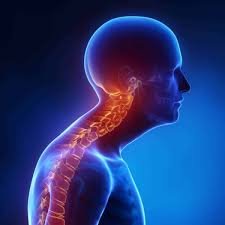
Postural Cervical Spondylitis

Postural cervical spondylitis is neck pain and stiffness caused by poor posture and prolonged strain on the cervical spine.
It commonly affects people who work long hours at desks, computers, or using smartphones.
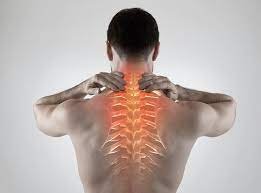
Symptoms include neck pain, shoulder stiffness, headaches, and reduced range of motion.
Muscle fatigue and mild nerve irritation may also occur in chronic cases.
Treatment focuses on correcting posture, ergonomic adjustments, physiotherapy, exercises, and pain management.

Postural Cervical Spondylitis Read Post »

Cervical Spondylitis

Cervical Osteoarthritis (Cervical Spondylosis / Degenerative Joint Disease)

Cervical osteoarthritis, also known as cervical spondylosis, is the age-related degeneration of the joints and discs in the neck.
It can lead to narrowing of the spinal canal and compression of nerves.
Symptoms include neck stiffness, pain radiating to the shoulders or arms, headaches, and reduced range of motion.
Severe cases may cause numbness, tingling, or weakness in the arms or hands.
Treatment involves pain management, physiotherapy, lifestyle modifications, and in some cases, surgical intervention.

Cervical Osteoarthritis (Cervical Spondylosis / Degenerative Joint Disease) Read Post »

Cervical Spondylitis

Cervical Disc Prolapse

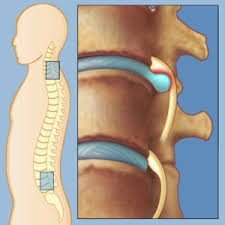
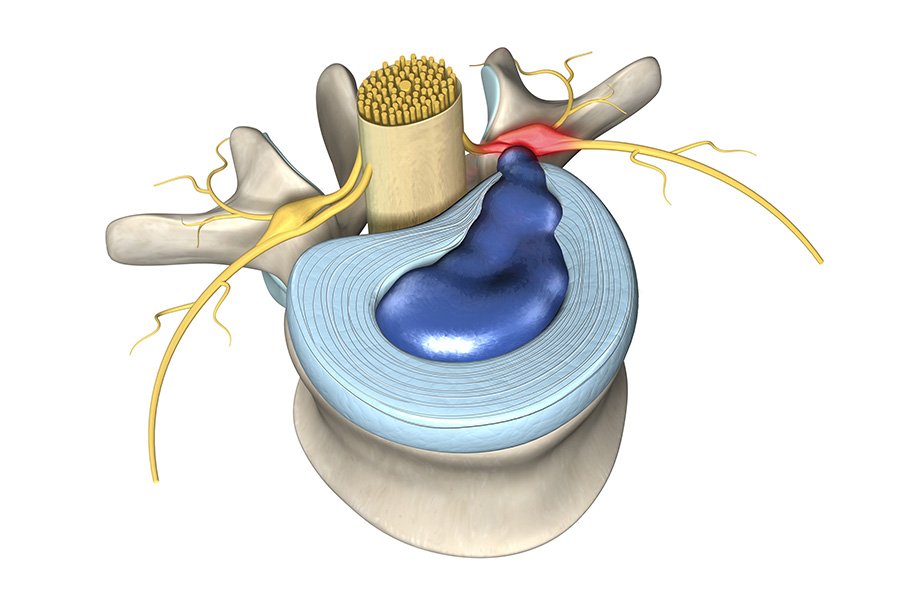
Cervical disc prolapse occurs when the soft inner core of a cervical spinal disc pushes through its outer layer.
This can compress nearby nerves or the spinal cord, causing pain and neurological symptoms.
It is often caused by age-related degeneration, trauma, or repetitive neck strain.
Symptoms include neck pain, radiating pain to the shoulders or arms, tingling, numbness, and muscle weakness.
Treatment involves rest, physiotherapy, pain management, and in severe cases, surgical intervention.

Cervical Disc Prolapse Read Post »

Cervical Spondylitis

Cervical Spondylotic Myeloradiculopathy

Cervical spondylotic myeloradiculopathy is a condition where degenerative changes in the cervical spine compress both the spinal cord and nerve roots.
It is commonly caused by cervical spondylosis, disc degeneration, or bone spurs.
Symptoms include neck pain, radiating arm pain, numbness, weakness, and difficulty with hand coordination or walking.
Patients may also experience balance problems, muscle stiffness, and fine motor skill impairment.
Treatment involves physiotherapy, medications, and surgical intervention in severe or progressive cases.

Cervical Spondylotic Myeloradiculopathy Read Post »

Cervical Spondylitis

Cervical Spondylotic Radiculopathy

Cervical spondylotic radiculopathy occurs when degenerative changes in the cervical spine compress a nerve root.
It is commonly caused by cervical spondylosis, bone spurs, or disc degeneration.
Symptoms include neck pain radiating to the shoulder, arm, or fingers with tingling or numbness.
Weakness in the affected arm and difficulty with fine motor tasks may also occur.
Treatment includes physiotherapy, pain management, posture correction, or surgery in severe cases.

Cervical Spondylotic Radiculopathy Read Post »

Cervical Spondylitis

Cervical Disc Herniation (Prolapsed Cervical Disc)

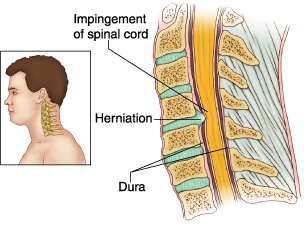
Cervical disc herniation occurs when the soft inner material of a spinal disc in the neck protrudes through its outer layer.
This can compress nearby nerves or the spinal cord, causing pain and neurological symptoms.
Common causes include injury, aging, or repetitive strain on the cervical spine.
Symptoms include neck pain radiating to the shoulders or arms, tingling, and muscle weakness.
Treatment involves rest, physiotherapy, pain management, or surgery in severe cases.

Cervical Disc Herniation (Prolapsed Cervical Disc) Read Post »

Cervical Spondylitis

Cervical Spondylotic Myelopathy

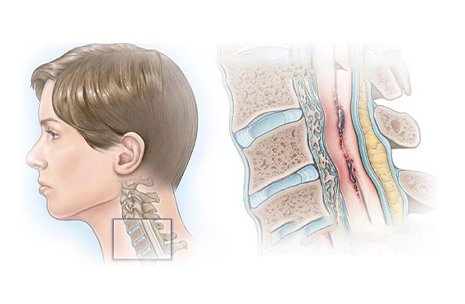
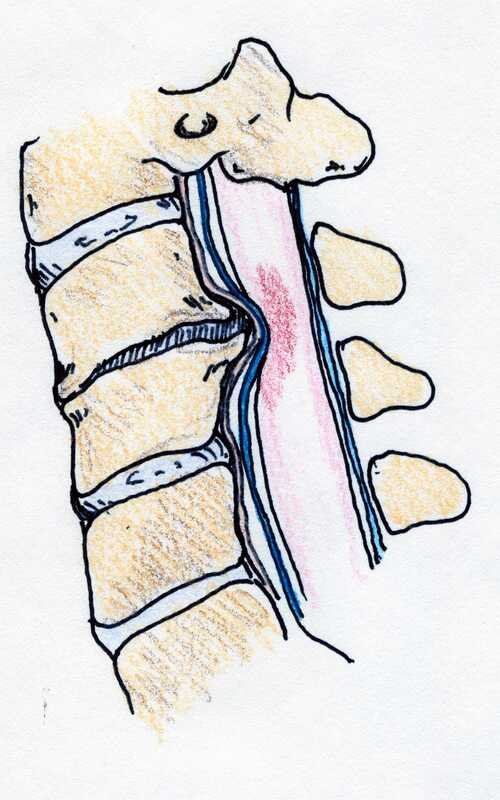
Cervical spondylotic myelopathy is a degenerative condition where age-related changes in the cervical spine compress the spinal cord.
It results from bone spurs, disc degeneration, or thickening of ligaments in the neck.
Symptoms include neck stiffness, weakness, numbness in limbs, and difficulty walking or balancing.
Advanced cases may lead to loss of hand coordination and bladder dysfunction.
Early medical evaluation and treatment are vital to prevent permanent spinal cord damage.

Cervical Spondylotic Myelopathy Read Post »

Cervical Spondylitis

Cervical Radiculopathy

Cervical radiculopathy occurs when a nerve root in the neck is compressed or irritated.
It is commonly caused by a herniated disc, cervical spondylosis, or bone spurs.
Symptoms include neck pain radiating to the shoulder, arm, or hand, along with numbness or tingling.
Muscle weakness and reduced reflexes may also develop in the affected limb.
Treatment includes rest, physiotherapy, pain relief, or surgery in severe or persistent cases.

Cervical Radiculopathy Read Post »

Cervical Spondylitis, Uncategorized

Cervical Myelopathy

Cervical myelopathy is a condition caused by compression of the spinal cord in the neck region.
It often results from cervical spondylosis, disc herniation, trauma, or spinal canal narrowing.
Symptoms include neck pain, stiffness, weakness, numbness, and loss of coordination in hands or legs.
In severe cases, it can affect balance, bladder control, and overall mobility.
Early diagnosis and treatment—through medication, physical therapy, or surgery—are crucial to prevent permanent damage.

Cervical Myelopathy Read Post »