Cancer

Cancer

रबडोमायोसार्कोमा (आरएमएस)

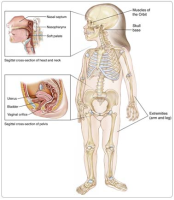
Rhabdomyosarcoma (RMS) is a rare cancer that forms in soft tissues, often in muscles.
It mainly affects children and young adults but can occur at any age.
Common sites include the head, neck, bladder, uterus, and limbs.
Symptoms may involve swelling, pain, or a noticeable lump.
Treatment usually combines surgery, chemotherapy, and radiation therapy.

रबडोमायोसार्कोमा (आरएमएस) Read Post »

Cancer

अस्थि मज्जा का ट्यूमर

Ewing’s Sarcoma is a rare and aggressive cancer that usually starts in the bones or soft tissue around them.
It mainly affects children, teenagers, and young adults, with the pelvis, thigh bones, and ribs being common sites.
Symptoms include bone pain, swelling, tenderness, fever, fatigue, and occasional fractures.
The exact cause is unclear, but it is often linked to genetic mutations and abnormal cell growth.
Treatment involves a combination of chemotherapy, surgery, radiation therapy, and sometimes targeted therapy.

अस्थि मज्जा का ट्यूमर Read Post »

Cancer

ऑस्टियो सार्कोमा

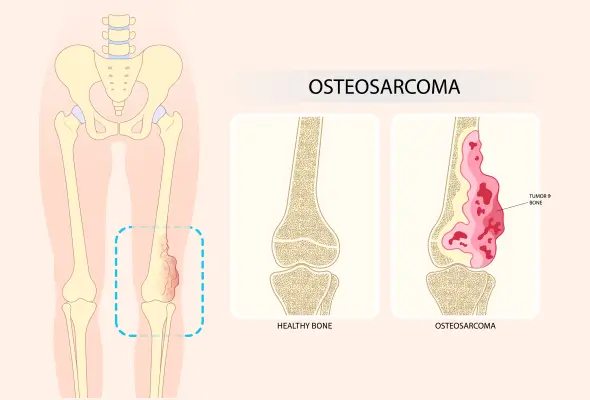
Osteosarcoma is the most common type of primary bone cancer, usually affecting children, teenagers, and young adults.
It develops in the cells that form new bone, often around the knee or upper arm.
Symptoms include persistent bone pain, swelling, tenderness, and reduced movement in the affected limb.
Risk factors include rapid bone growth during adolescence, genetic conditions, and previous radiation therapy.
Treatment generally involves surgery to remove the tumor, along with chemotherapy and sometimes radiation therapy.

ऑस्टियो सार्कोमा Read Post »

Cancer

त्वचा कैंसर

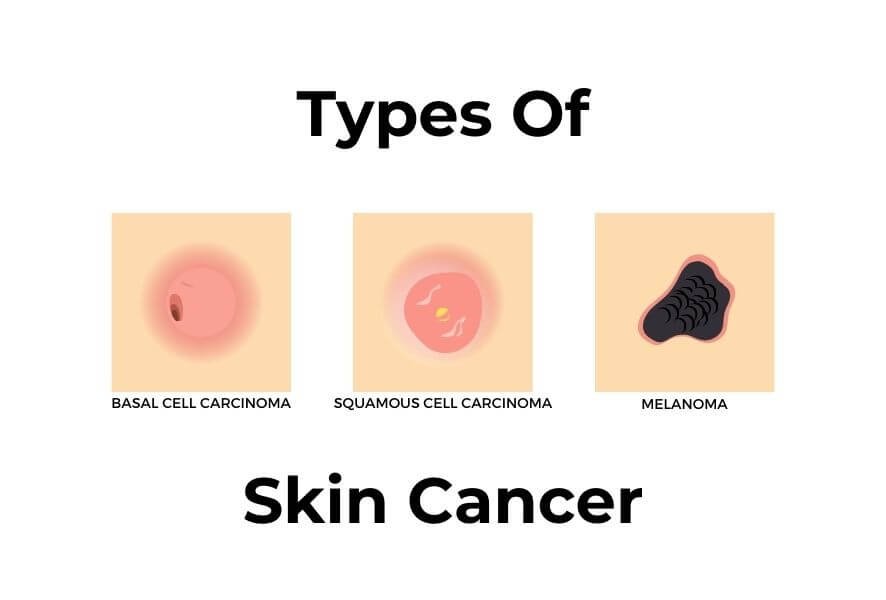
Skin Cancer occurs when abnormal skin cells grow uncontrollably, often due to DNA damage from UV radiation.
The main types are Basal Cell Carcinoma, Squamous Cell Carcinoma, and Melanoma.
Risk factors include excessive sun exposure, fair skin, family history, tanning beds, and weakened immunity.
Symptoms may include new growths, sores that don’t heal, changes in moles, or dark patches on the skin.
Treatment options include surgery, radiation therapy, chemotherapy, immunotherapy, and targeted therapy depending on the type and stage.

त्वचा कैंसर Read Post »

Cancer, Female Health Issues

स्तन कैंसर

Breast Cancer develops in the cells of the breast, most commonly in the ducts or lobules.
It is the most common cancer in women worldwide but can also occur in men.
Risk factors include family history, BRCA gene mutations, obesity, alcohol use, and hormonal imbalance.
Symptoms may include a breast lump, nipple discharge, skin changes, or breast pain.
Treatment options include surgery, radiation therapy, chemotherapy, hormone therapy, targeted therapy, and immunotherapy.

स्तन कैंसर Read Post »

Cancer, Female Health Issues

गर्भाशय कैंसर (एंडोमेट्रियल कैंसर)

Uterine Cancer, most commonly Endometrial Cancer, develops in the lining of the uterus (womb).
It is more common in postmenopausal women and linked to obesity, hormonal imbalance, and family history.
Symptoms include abnormal vaginal bleeding, pelvic pain, painful urination, and pain during intercourse.
If untreated, it can spread to nearby pelvic organs and lymph nodes.
Treatment may include surgery (hysterectomy), radiation therapy, chemotherapy, hormone therapy, or targeted therapy.

गर्भाशय कैंसर (एंडोमेट्रियल कैंसर) Read Post »

Cancer

प्रोस्टेट कैंसर

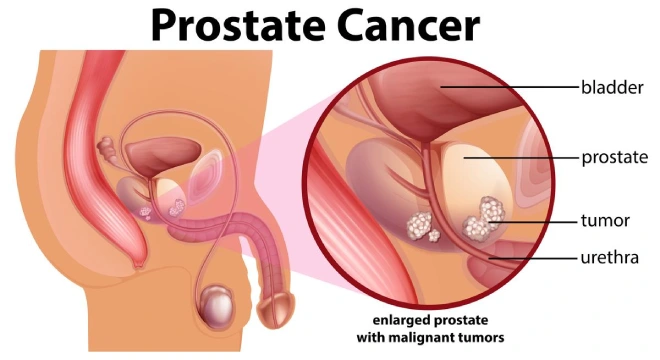
Prostate Cancer develops in the prostate gland, a small gland in men that produces seminal fluid.
It is one of the most common cancers in men, often growing slowly but sometimes aggressively.
Risk factors include older age, family history, obesity, and high-fat diet.
Symptoms may include difficulty urinating, weak urine flow, blood in urine or semen, pelvic discomfort, and erectile dysfunction.
Treatment options include active surveillance, surgery, radiation therapy, hormone therapy, chemotherapy, and immunotherapy.

प्रोस्टेट कैंसर Read Post »

Cancer

मूत्राशय कैंसर

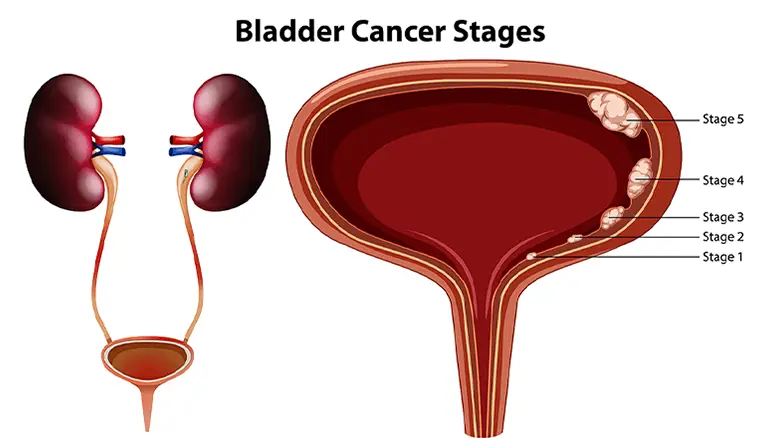
Bladder Cancer develops in the cells of the bladder, the organ that stores urine.
It is most commonly transitional cell carcinoma, but other types can also occur.
Risk factors include smoking, chemical exposure, chronic bladder inflammation, and family history.
Symptoms include blood in urine (hematuria), frequent urination, pain during urination, and pelvic pain.
Treatment may involve surgery, chemotherapy, radiation therapy, targeted therapy, or immunotherapy.

मूत्राशय कैंसर Read Post »

nasopharyngeal cancer (npc)
Cancer

नासॉफिरिन्जियल कैंसर (एनपीसी)

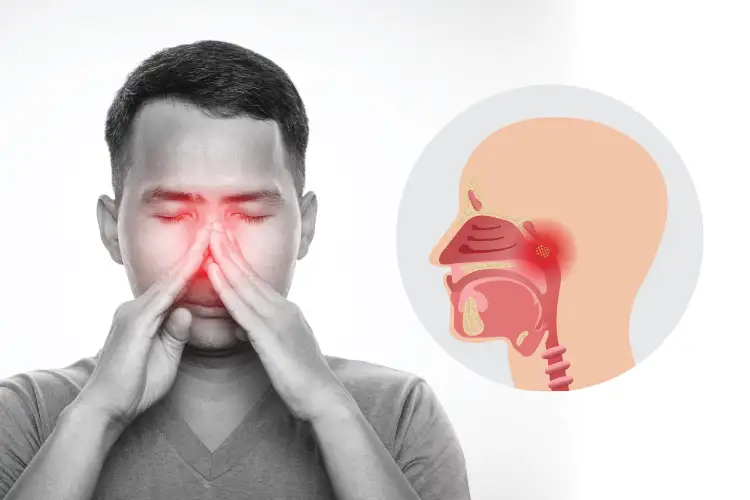
Nasopharyngeal Cancer (NPC) develops in the nasopharynx, the upper part of the throat behind the nose.
It is more common in certain regions like Southeast Asia and is linked to Epstein-Barr virus (EBV) infection, smoking, and genetics.
Symptoms include nasal blockage, nosebleeds, hearing loss, ringing in the ears, and swollen lymph nodes in the neck.
Because early symptoms resemble common illnesses, diagnosis is often delayed.
Treatment options include radiation therapy, chemotherapy, targeted therapy, and immunotherapy.

नासॉफिरिन्जियल कैंसर (एनपीसी) Read Post »