Author name: Editor

skin problem, Vitiligo

Universal Vitiligo

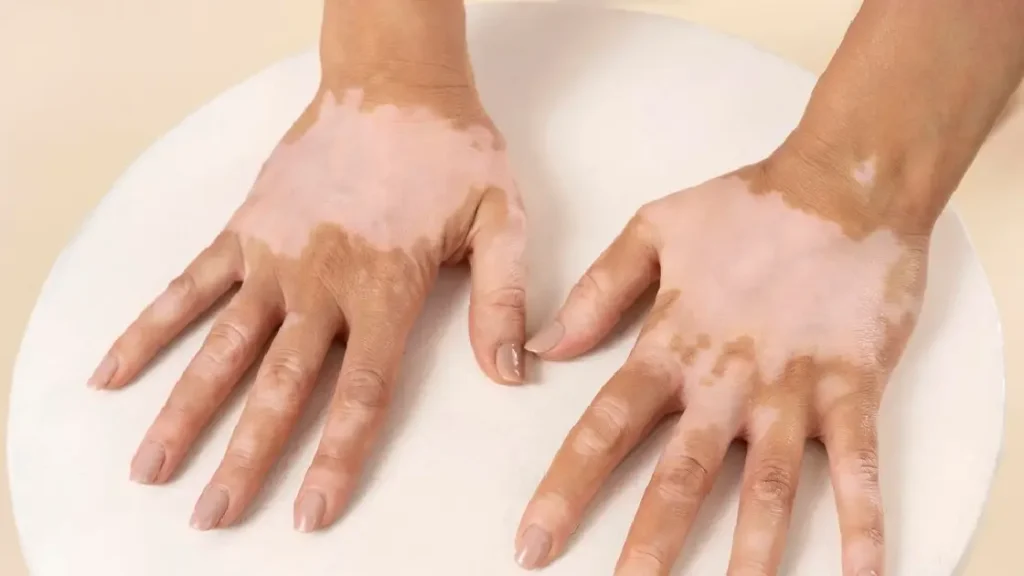
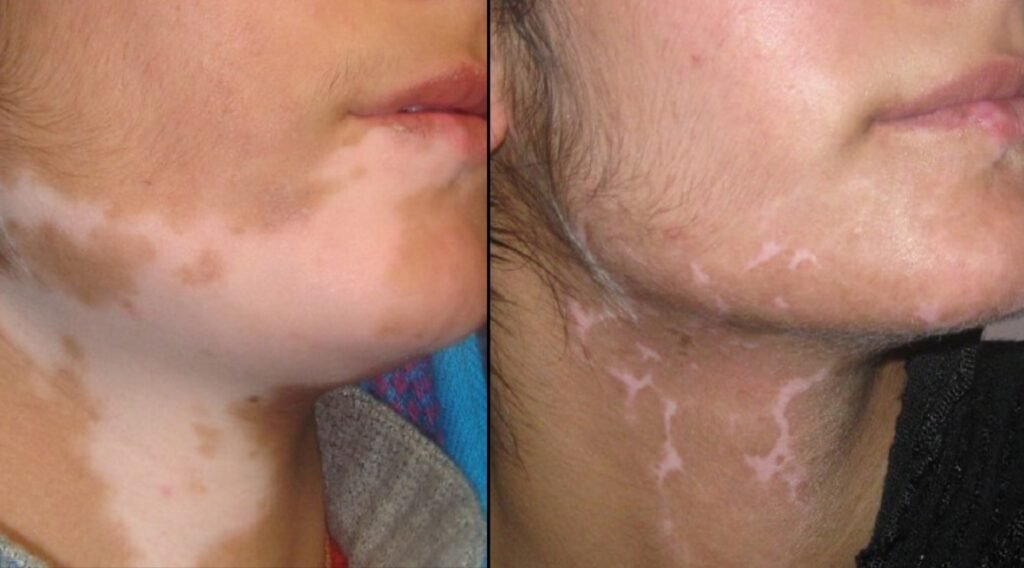
Universal Vitiligo is the most extensive form of vitiligo, where almost all body skin loses its pigment. It affects more than 80–90% of the body surface area. The condition can develop from other types of vitiligo and may progress rapidly. Hair, eyebrows, and eyelashes may also turn white. It is often associated with autoimmune and genetic factors.

Universal Vitiligo Read Post »

skin problem, Vitiligo

Acrofacial Vitiligo

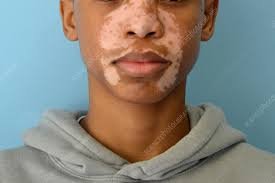
Acrofacial Vitiligo is a type of vitiligo that primarily affects the face and the extremities, such as the fingers, toes, hands, and feet. The depigmented patches often appear around body openings like the eyes, mouth, and nose. It occurs due to the destruction or malfunction of melanocytes, leading to loss of skin color in exposed areas. The condition may progress to generalized vitiligo in some cases. Treatment focuses on pigment restoration, sun protection, and cosmetic management.

Acrofacial Vitiligo Read Post »

skin problem, Vitiligo

Generalized Vitiligo

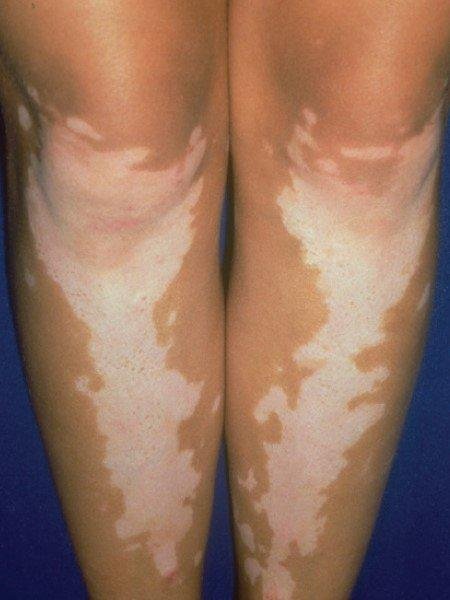
Generalized Vitiligo is the most common form of vitiligo, characterized by widespread, symmetrical white patches on different parts of the body. It results from the loss of melanocytes, the pigment-producing cells, due to autoimmune activity. The condition may progress gradually or rapidly, affecting large skin areas over time. Commonly involved regions include the face, hands, and joints. Treatment aims to restore pigmentation, slow progression, and support emotional and cosmetic well-being.

Generalized Vitiligo Read Post »

skin problem, Vitiligo

Segmental Vitiligo

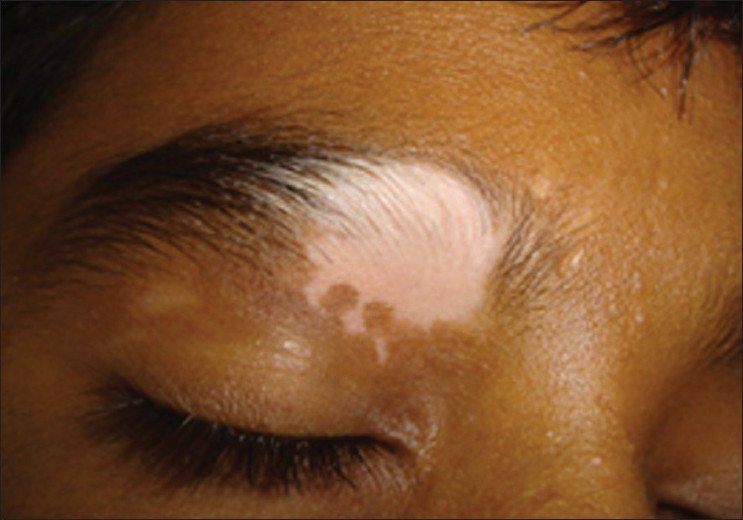
Segmental Vitiligo is a type of vitiligo in which depigmented patches appear on one side or segment of the body, often following a nerve or dermatome distribution. It usually develops at a younger age and progresses rapidly initially, then stabilizes. Unlike generalized vitiligo, segmental vitiligo is often limited to a single area and rarely spreads widely. The exact cause is linked to localized melanocyte dysfunction, possibly influenced by neural factors. Treatment focuses on restoring pigmentation, halting progression, and addressing cosmetic concerns.

Segmental Vitiligo Read Post »

skin problem, Vitiligo

Localized Vitiligo

Localized Vitiligo is a form of vitiligo in which depigmented white patches are confined to a specific area of the body. It often appears on the face, hands, or neck and usually does not spread extensively. The condition results from the loss or dysfunction of melanocytes in the affected region. Localized vitiligo may be associated with autoimmune factors or skin trauma. Treatment focuses on restoring pigmentation, preventing progression, and improving cosmetic appearance.

Localized Vitiligo Read Post »

skin problem, Vitiligo

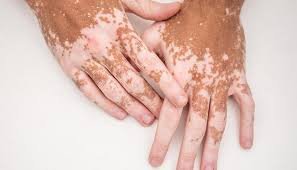
Vitiligo

Vitiligo is a chronic skin condition characterized by the loss of pigmentation, resulting in white patches on the skin. It occurs when melanocytes, the cells responsible for skin color, are destroyed or stop functioning. The patches can appear anywhere on the body and may spread over time. The exact cause is not fully understood, but autoimmune factors, genetics, and environmental triggers are involved. Treatment focuses on restoring skin color, slowing progression, and managing cosmetic concerns.

Vitiligo Read Post »

Psoriasis

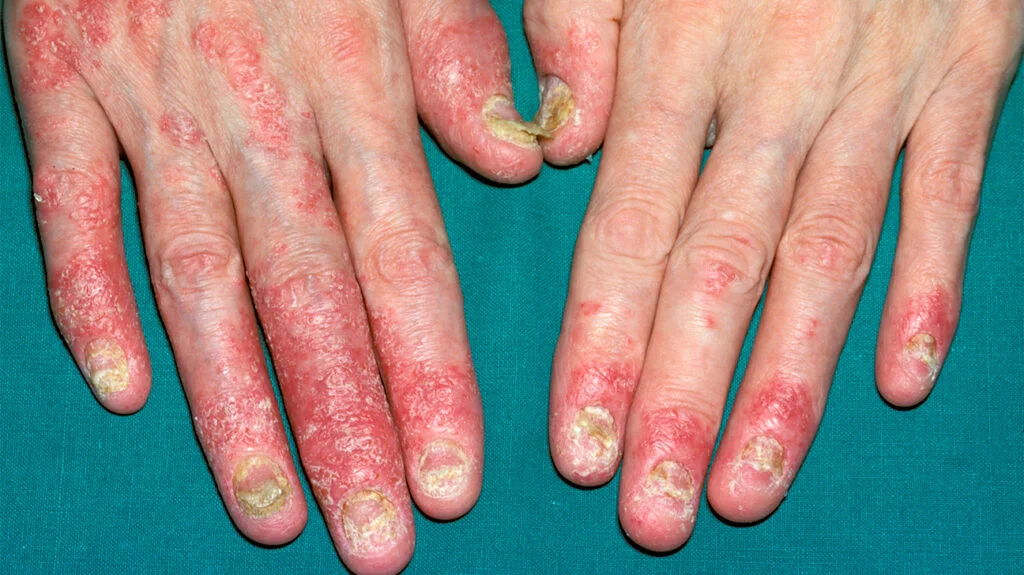
आर्थ्रोपैथिक सोरायसिस (सोरियाटिक गठिया)

Arthropathic Psoriasis (Psoriatic Arthritis) is a form of psoriasis that affects the joints, causing pain, stiffness, and swelling, often alongside skin lesions. It can involve any joint but commonly affects the fingers, toes, knees, and spine. The condition results from immune system overactivity leading to inflammation in both skin and joints. Early diagnosis is crucial to prevent joint damage and maintain mobility. Management includes medication, lifestyle changes, and sometimes physical therapy to reduce symptoms and improve quality of life.

आर्थ्रोपैथिक सोरायसिस (सोरियाटिक गठिया) Read Post »

Psoriasis

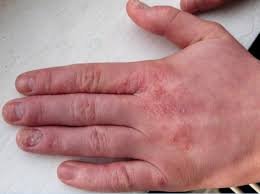
पामोप्लांटर सोरायसिस

Palmoplantar Psoriasis is a form of psoriasis affecting the palms of the hands and soles of the feet, causing thickened, red, and scaly skin. It can lead to pain, cracking, and difficulty in daily activities. In homeopathy, treatment focuses on strengthening immunity, reducing inflammation, and promoting natural skin healing. Remedies are selected individually based on symptoms, constitution, and severity. Early and consistent management helps prevent complications and improves quality of life.

पामोप्लांटर सोरायसिस Read Post »

Psoriasis

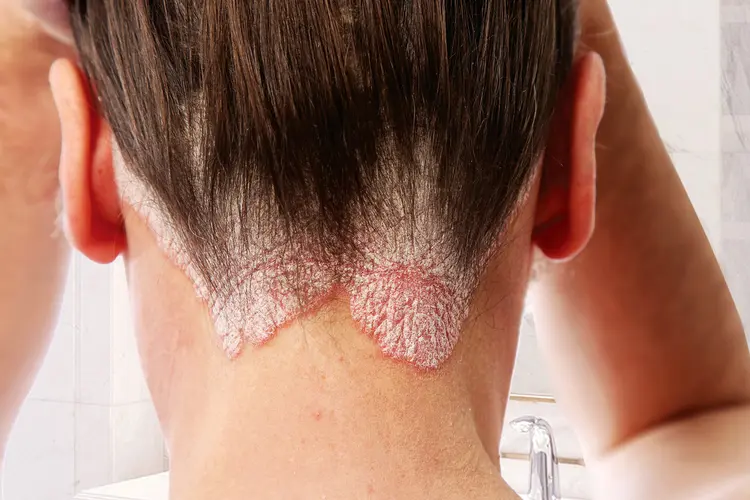
स्कैल्प सोरायसिस

Scalp Psoriasis is a common form of psoriasis affecting the scalp, causing thick, silvery-white scales, redness, and itching. It can extend beyond the hairline to the forehead, neck, and behind the ears. In homeopathy, treatment focuses on regulating the immune system, reducing inflammation, and relieving itching. Remedies are individualized based on the patient’s symptoms, constitution, and triggers. Consistent care helps control flare-ups and promotes healthier scalp and hair.

स्कैल्प सोरायसिस Read Post »

Psoriasis

नाखून सोरायसिस

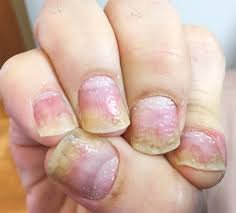
Nail Psoriasis is a manifestation of psoriasis affecting the fingernails and toenails, leading to pitting, thickening, discoloration, and onycholysis (nail separation). It often occurs alongside skin psoriasis but can also appear independently. In homeopathy, treatment aims to strengthen the immune system and promote natural nail regeneration. Remedies are selected based on individual symptoms, constitution, and overall health. Early management helps prevent nail deformity and reduces discomfort.

नाखून सोरायसिस Read Post »