Author name: Editor

eye sight

Astigmatism

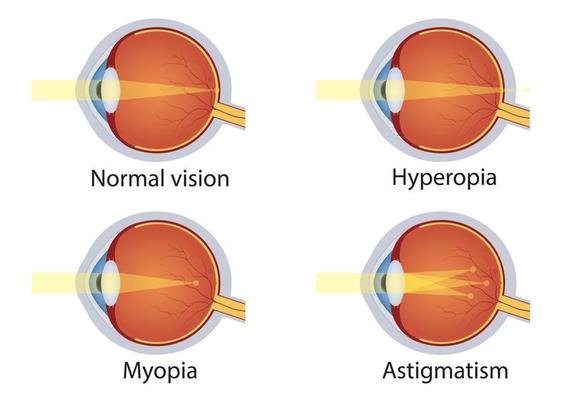
Astigmatism is a common refractive error where the cornea or lens has an irregular shape, causing blurred or distorted vision at all distances.
It occurs when light rays do not focus evenly on the retina.
Symptoms include eye strain, headaches, blurred vision, and difficulty seeing clearly at night.
It is diagnosed through a comprehensive eye examination.
Treatment options include prescription glasses, toric contact lenses, or refractive surgery.
Astigmatism Read Post »

eye sight

Myopia (Nearsightedness)

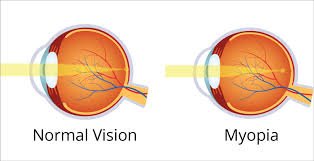
Myopia, or nearsightedness, is a common eye condition where nearby objects appear clear but distant objects look blurry.
It occurs when the eyeball is too long or the cornea is too curved, causing light to focus in front of the retina.
Symptoms include squinting, eye strain, headaches, and difficulty seeing distant objects.
It is usually detected during routine vision tests.
Treatment includes corrective glasses, contact lenses, or laser vision surgery.

Myopia (Nearsightedness) Read Post »

eye sight

Hypermetropia (Farsightedness)

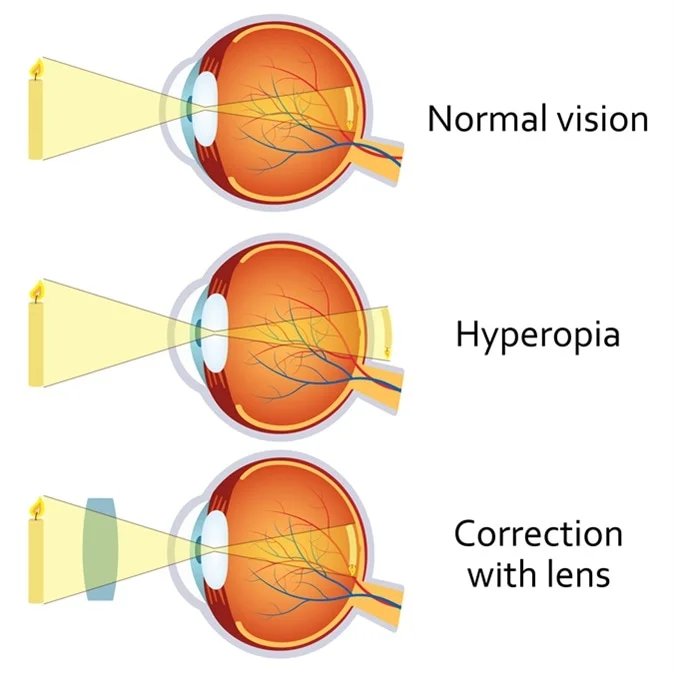
Hypermetropia, or farsightedness, is a common vision condition where distant objects are seen clearly, but near objects appear blurry.
It occurs when the eyeball is too short or the cornea is not curved enough, causing light to focus behind the retina.
Symptoms include eyestrain, headache, and difficulty focusing on close tasks like reading.
It is diagnosed through a comprehensive eye examination.
Treatment options include prescription glasses, contact lenses, or refractive surgery.
Hypermetropia (Farsightedness) Read Post »

Gastritis

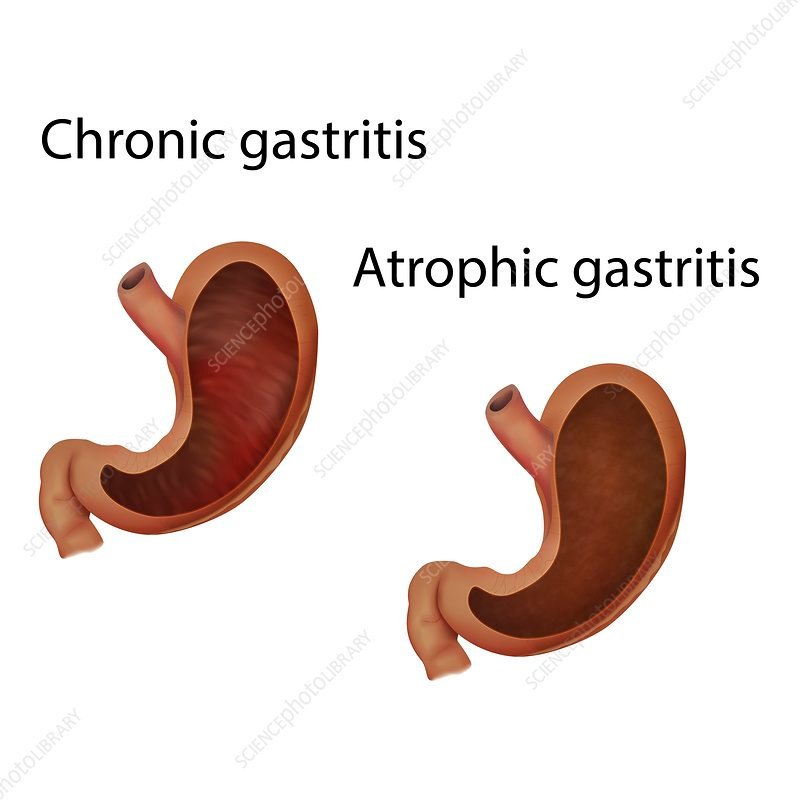
Atrophic Gastritis

Atrophic gastritis is a chronic condition where the stomach lining thins and loses its glandular cells.
It often results from long-term inflammation, autoimmune disorders, or H. pylori infection.
Symptoms may include indigestion, bloating, nausea, and vitamin deficiencies, particularly B12.
If untreated, it can increase the risk of gastric ulcers and stomach cancer.
Treatment focuses on managing the underlying cause, vitamin supplementation, and medications to reduce acid and protect the stomach lining.

Atrophic Gastritis Read Post »

Gastritis

Menetrier’s Disease (Giant Hypertrophic Gastritis)

Menetrier’s Disease is a rare form of hypertrophic gastritis characterized by massive enlargement of the stomach folds.
It leads to excessive mucus production, reduced acid secretion, and protein loss from the stomach.
Common symptoms include abdominal pain, nausea, vomiting, weight loss, and edema.
The exact cause is not fully understood but may involve genetic factors or infections.
Treatment focuses on symptom management, nutritional support, medications to reduce stomach growth, and in severe cases, surgery.

Menetrier’s Disease (Giant Hypertrophic Gastritis) Read Post »

Gastritis

Hypertrophic Gastritis

Hypertrophic gastritis is a rare condition characterized by thickening of the stomach lining and enlargement of gastric folds.
It can be caused by chronic inflammation, infection, or genetic factors.
Symptoms include persistent stomach pain, nausea, vomiting, and poor digestion.
Complications may include malabsorption of nutrients and an increased risk of gastric cancer.
Treatment involves addressing the underlying cause, dietary modifications, and medications to reduce stomach acid.

Hypertrophic Gastritis Read Post »

Gastritis

Erosive Gastritis

Erosive gastritis is a condition where the stomach lining becomes inflamed and develops small erosions or ulcers.
It is often caused by prolonged use of NSAIDs, alcohol, stress, or bile reflux.
Symptoms include upper abdominal pain, nausea, vomiting, and in severe cases, gastrointestinal bleeding.
Diagnosis is usually confirmed through endoscopy.
Treatment involves removing the cause, acid-suppressing medications, and sometimes protective agents for the stomach lining.

Erosive Gastritis Read Post »

Gastritis

Type C – Chemical (Reflux) Gastritis

Type C gastritis, also called chemical or reflux gastritis, occurs due to irritation of the stomach lining by bile, alcohol, or certain medications like NSAIDs.
It often develops in the lower part of the stomach and is linked to chronic reflux from the duodenum.
Symptoms include upper abdominal pain, nausea, vomiting, and a burning sensation.
If untreated, it may cause ulcers or bleeding in the stomach.
Treatment focuses on avoiding irritants, acid-suppressing medications, and lifestyle modifications.

Type C – Chemical (Reflux) Gastritis Read Post »

Gastritis

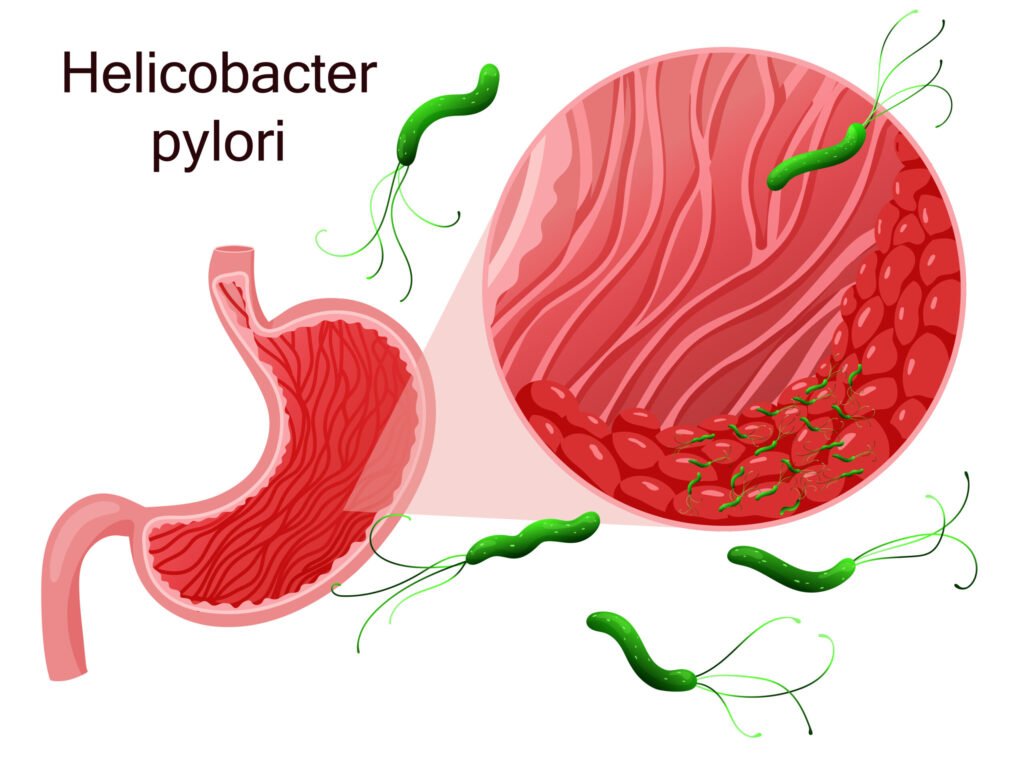
Type B – H. Pylori Associated Chronic Gastritis

Type B chronic gastritis is caused by infection with Helicobacter pylori bacteria, usually affecting the lower part of the stomach.
It leads to chronic inflammation, increased acid production, and damage to the stomach lining.
Common symptoms include abdominal pain, bloating, nausea, and loss of appetite.
If untreated, it may progress to ulcers or even stomach cancer.
Treatment includes antibiotics to eradicate H. pylori and acid-suppressing medications for healing.

Type B – H. Pylori Associated Chronic Gastritis Read Post »

Gastritis

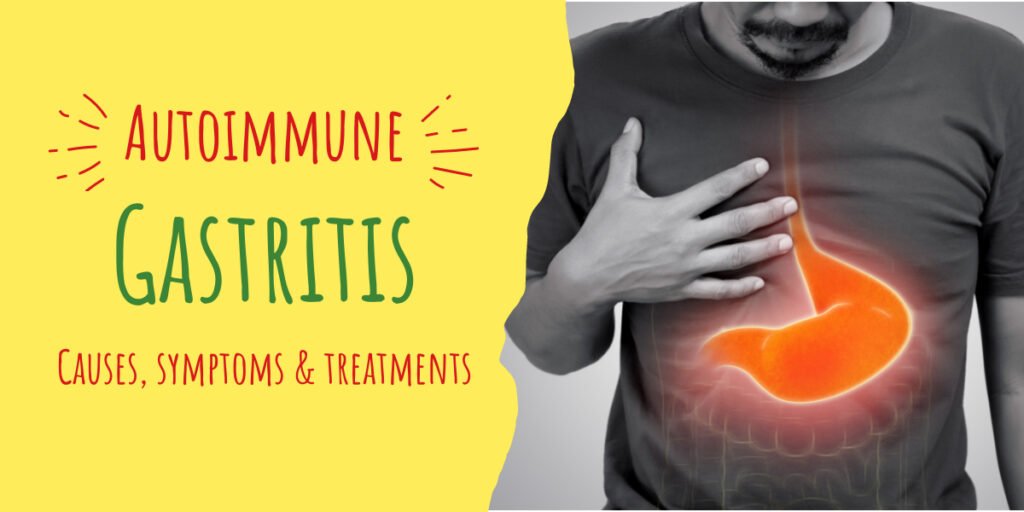
Autoimmune (Type A) Chronic Gastritis

Autoimmune (Type A) chronic gastritis occurs when the body’s immune system attacks the stomach’s parietal cells.
This leads to reduced acid production and vitamin B12 deficiency, causing anemia and fatigue.
It usually affects the upper part of the stomach and progresses slowly.
Common symptoms include indigestion, weakness, and numbness in hands or feet.
Treatment focuses on vitamin B12 supplementation and managing autoimmune activity.

Autoimmune (Type A) Chronic Gastritis Read Post »