Simple / Classical Plasmodium Ovale Malaria
What is Plasmodium Ovale Malaria
Plasmodium ovale malaria is a less common and usually milder form of malaria.
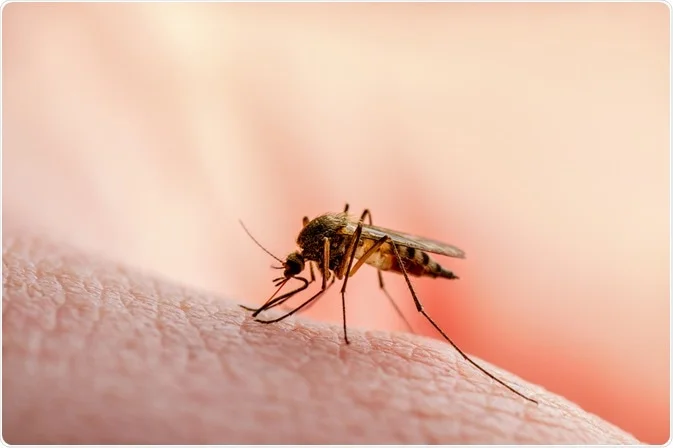
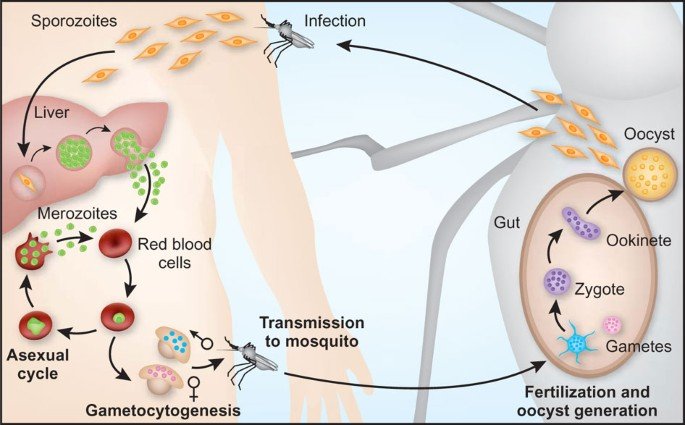
It is caused by a malaria parasite transmitted through the bite of an infected female mosquito.
From a homeopathic point of view, this malaria shows a moderate disturbance of the body’s vital energy.
The body is affected, but it usually has enough inner strength to recover well with gentle support, care and rest.
How Patients Usually Experience This Malaria
The symptoms of Plasmodium ovale malaria are often similar to Vivax malaria, but generally milder.
सामान्य लक्षण
Fever with chills and shivering
Fever often appears in cycles (usually alternate days)
Sweating when fever subsides
सिरदर्द
Body and joint pain
कमजोरी और थकान
भूख न लगना
Mild anemia in some long cases
Patients may feel drained, but not as severely ill as in Falciparum malaria.
Why Does Plasmodium Ovale Malaria Occur
A mosquito bite introduces the parasite into the body
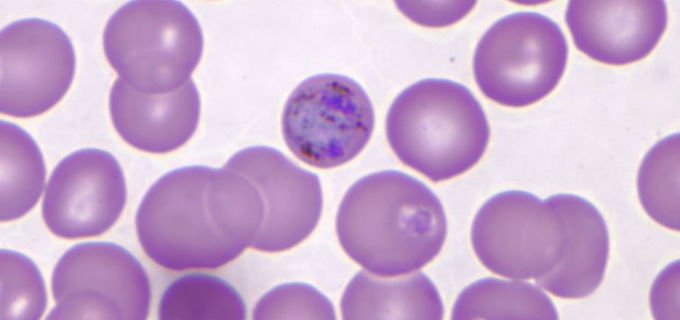
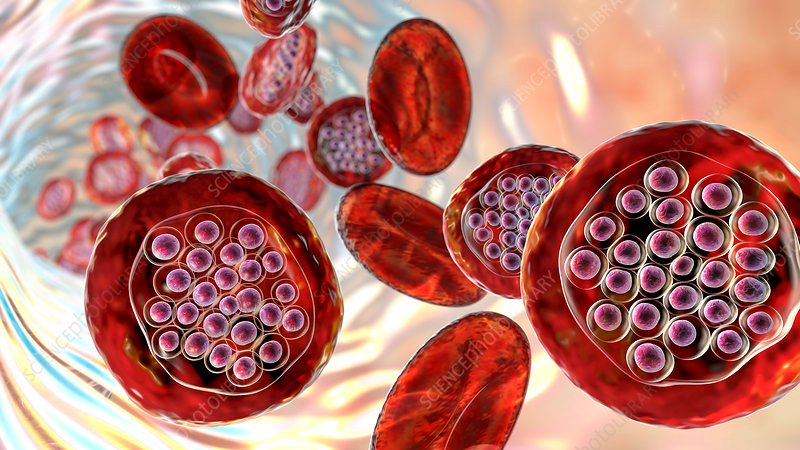
The parasite affects the blood
Fever appears in cycles
Homeopathic understanding:
This illness reflects a temporary imbalance of inner rhythm and immunity.
When emotional stress, physical exhaustion or lowered resistance are present, the body becomes more vulnerable.
Healing begins when balance and vitality are restored from within.
Homeopathic View of Plasmodium Ovale
Homeopathy believes:
- Fever is a healing effort of the body
- Cyclical fever shows disturbed inner rhythm
- Gentle remedies help restore balance naturally
- Treatment is individualized for each person
- Healing supports body, mind and spirit together
Homeopathy works softly, respecting the body’s intelligence.
Common Homeopathic Medicines Often Considered
(For awareness only. Please do NOT self-medicate. Always consult a qualified homeopathic doctor.)
- China (Cinchona)
- Weakness, sweating, exhaustion and anemia after repeated fever episodes.
2. Natrum Muriaticum
- Intermittent fever with headache, weakness and emotional sensitivity.
3. Gelsemium
Dullness, heaviness, tiredness, trembling and sleepy feeling during fever.
4. Eupatorium Perfoliatum
- Body and bone pains with fever and chills.
5. Arsenicum Album
- Weakness, anxiety, restlessness, fear and exhaustion.
The correct medicine depends on:
fever pattern
intensity of weakness
emotional state
individual constitution
Homeopathy always treats the person, not just the parasite name.
Patient Care & Safety Advice
Along with homeopathic care:
Take complete rest
Drink plenty of fluids
Eat light and nourishing food
Avoid self-medication
Follow blood tests as advised
If fever becomes severe, continuous or unusual symptoms appear → seek medical care
Homeopathy supports gentle healing, but medical guidance is important.