Simple / Classical Plasmodium Vivax Malaria
What is Plasmodium Vivax Malaria
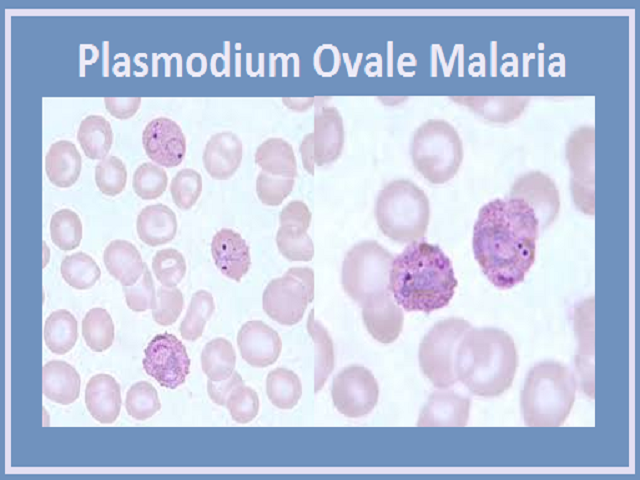
Plasmodium vivax malaria is one of the most common and classical forms of malaria.
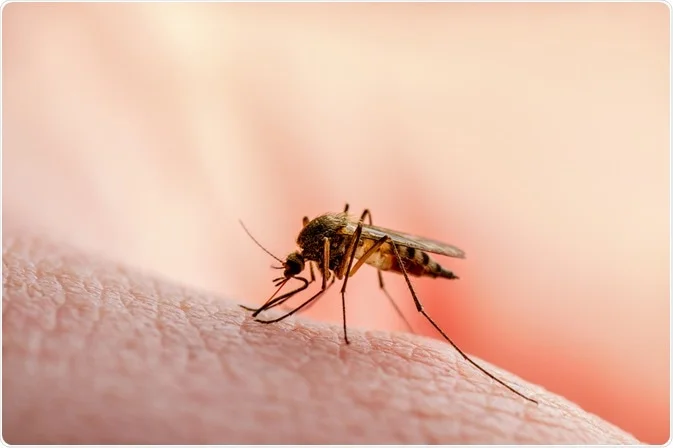
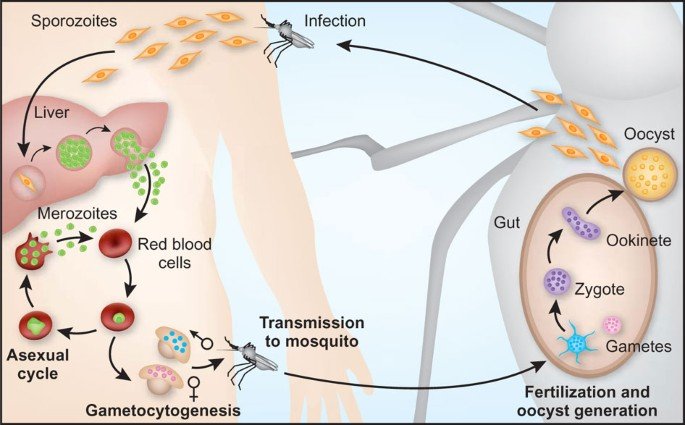
It is caused by a malaria parasite transmitted through the bite of an infected female mosquito.
From a homeopathic point of view, this fever shows that the body’s inner life force (vital energy) is disturbed but still has good strength to heal when supported gently and correctly.
With proper care, rest, medical guidance and suitable homeopathic support, most patients recover well.
How Patients Usually Experience This Malaria
Classical Vivax malaria often follows a fixed fever pattern, which patients notice clearly.
सामान्य लक्षण
Sudden fever with chills and shivering
Intense cold feeling before fever
Fever rises high after chills
Profuse sweating when fever breaks
सिरदर्द
Body and joint pain
Extreme weakness and tiredness
भूख न लगना
Pale look or mild anemia in some cases
The fever often comes every alternate day, which is a classical sign.
Why Does Vivax Malaria Happen
A mosquito carrying the parasite bites the person
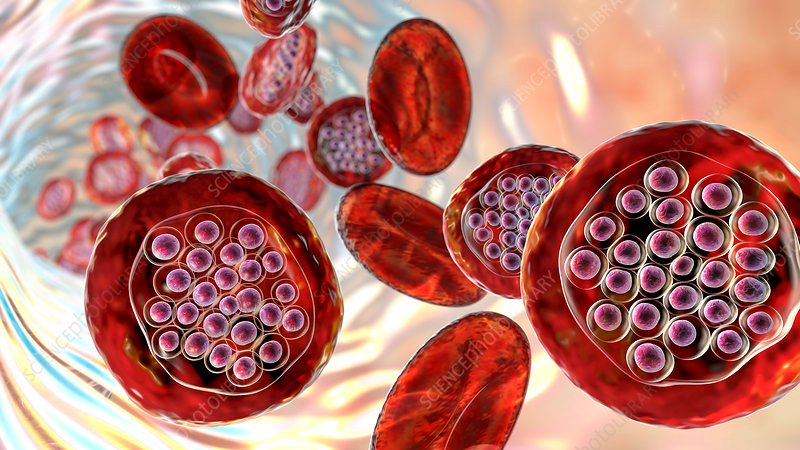
The parasite enters the blood
Fever and weakness appear in cycles
Homeopathic understanding:
External infection becomes stronger when the body’s internal balance is weak.
Stress, exhaustion, poor immunity, emotional strain and lack of rest reduce resistance.
Healing begins when the inner rhythm and strength are restored.
Homeopathic View of Vivax Malaria
Homeopathy believes:
- Fever is the body’s natural healing response
- Vivax malaria shows disturbed rhythm and energy flow
- Gentle remedies help restore balance and vitality
- Treatment is always individualized
- Healing happens on physical, emotional and spiritual levels
Homeopathy does not suppress fever forcefully — it supports the body intelligently.
Common Homeopathic Medicines Often Considered
(For awareness only. Please do NOT self-medicate. Always consult a qualified homeopathic doctor.)
- China (Cinchona)
- One of the most important remedies for malaria.
- Suited when there is extreme weakness, sweating, anemia and exhaustion after fever.
2. Eupatorium Perfoliatum
- Severe body and bone pain, intense aching during fever with chills.
3. Natrum Muriaticum
- Intermittent fever with weakness, emotional sensitivity, headache.
4. आर्सेनिकम एल्बम
- Weakness, anxiety, restlessness, fear, chills and exhaustion.
5. Gelsemium
- Dullness, heaviness, trembling, weakness, sleepy feeling during fever.
6. Bryonia Alba
- Fever with dryness, thirst, body pain worse on movement, desire to lie still.
The correct medicine depends on:
exact fever pattern
emotional state
body reaction
individual constitution
Homeopathy always treats the patient, not just the parasite name.
Patient Care & Safety Advice
Along with homeopathic care:
Take complete rest
Drink plenty of fluids (water, ORS, soups)
Eat light, nourishing food
Avoid self-medication
Do blood tests as advised
If fever becomes continuous, severe weakness appears, or confusion develops → hospital care is necessary
Homeopathy supports healing gently, but timely medical monitoring is important.