नशीली दवाओं से प्रेरित हाइपोथायरायडिज्म
नशीली दवाओं से प्रेरित हाइपोथायरायडिज्म क्या है?
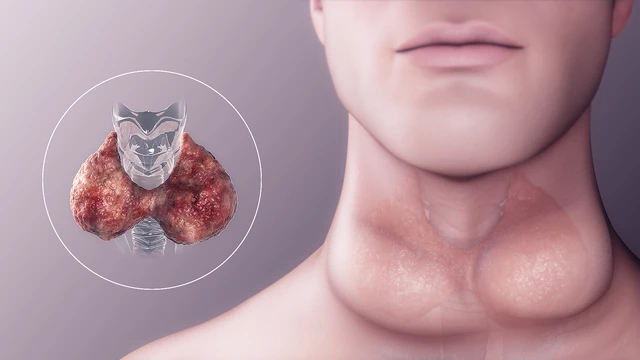
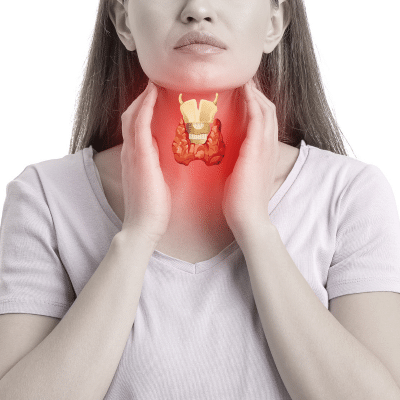
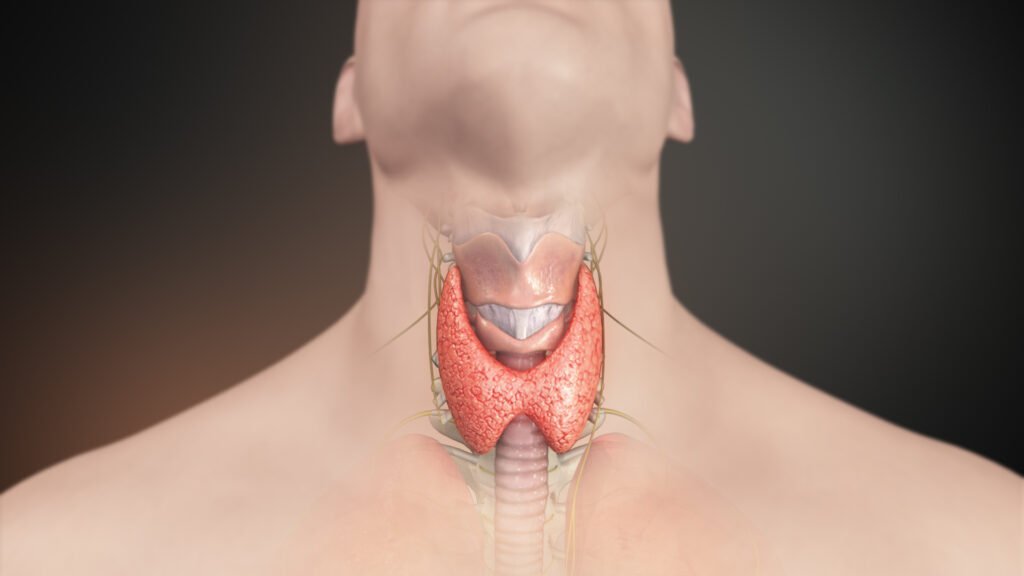
दवा-प्रेरित हाइपोथायरायडिज्म का अर्थ है कुछ दवाओं के दुष्प्रभाव के कारण कम थायराइड कार्य (थायराइड हार्मोन का कम उत्पादन)।
प्राथमिक हाइपोथायरायडिज्म (जहां थायरॉयड ग्रंथि स्वयं रोगग्रस्त है) के विपरीत, यहां दवाओं के कारण ग्रंथि अस्थायी रूप से दब जाती है या क्षतिग्रस्त हो जाती है।
ये दवाएं थायराइड हार्मोन संश्लेषण, स्राव या चयापचय में हस्तक्षेप कर सकती हैं। दवा और व्यक्तिगत संवेदनशीलता के आधार पर स्थिति अस्थायी या स्थायी हो सकती है।
कारण
कुछ सामान्य दवाएं जो हाइपोथायरायडिज्म का कारण बन सकती हैं उनमें शामिल हैं:
1. अमियोडेरोन - अनियमित हृदय ताल (अतालता) के लिए उपयोग किया जाता है। इसमें आयोडीन होता है, जो थायराइड हार्मोन के निर्माण को बाधित करता है।
2. लिथियम - आमतौर पर द्विध्रुवी विकार के लिए उपयोग किया जाता है; थायराइड हार्मोन रिलीज को रोकता है।
3. इंटरफेरॉन-अल्फा - हेपेटाइटिस और कैंसर चिकित्सा में उपयोग किया जाता है; ऑटोइम्यून थायरॉयडिटिस को ट्रिगर कर सकता है।
4. टायरोसिन कीनेज़ अवरोधक (टीकेआई) - कैंसर में उपयोग किया जाता है; थायराइड कोशिकाओं को नुकसान पहुंचा सकता है।
5. थिओनामाइड्स (जैसे मेथिमाज़ोल, प्रोपाइलथियोरासिल) - ये एंटी-थायराइड दवाएं हैं; अधिक मात्रा या लंबे समय तक उपयोग से थायराइड बहुत अधिक दब सकता है।
6. आयोडीन युक्त कंट्रास्ट एजेंट - एक्स-रे या सीटी स्कैन में उपयोग किया जाता है; अत्यधिक आयोडीन "वोल्फ-चाइकॉफ प्रभाव" का कारण बन सकता है, जो हार्मोन संश्लेषण को अस्थायी रूप से अवरुद्ध कर सकता है।
लक्षण
- लगातार थकान और कमजोरी महसूस होना।
- सामान्य आहार के बावजूद वजन बढ़ना
- शुष्क त्वचा और बाल झड़ना
- आंखों या चेहरे के आसपास सूजन (सूजन)
- शीत असहिष्णुता (असामान्य रूप से ठंड महसूस होना)
- कब्ज़
- ख़राब मूड या अवसाद
- महिलाओं में अनियमित या भारी मासिक धर्म
- धीमी हृदय गति
लक्षण अक्सर धीरे-धीरे प्रकट होते हैं, इसलिए कई लोग तब तक ध्यान नहीं देते जब तक कि थायराइड हार्मोन काफी कम नहीं हो जाता।
निदान
- टीएसएच (थायराइड-उत्तेजक हार्मोन): बढ़ा हुआ
- निःशुल्क T4: घटाया गया
- उपरोक्त दवाओं में से किसी एक के उपयोग का इतिहास एक महत्वपूर्ण सुराग है।
- यदि दवा बंद कर दी जाए, तो थायराइड का स्तर आमतौर पर हफ्तों या महीनों के भीतर सामान्य हो जाता है।
होम्योपैथिक दृष्टिकोण
होम्योपैथी दवा-प्रेरित हाइपोथायरायडिज्म को थायरॉयड ग्रंथि का द्वितीयक दमन मानता है। लक्ष्य यह है:
- प्राकृतिक थायराइड गतिविधि को उत्तेजित करें,
- दवा के प्रभाव से सिस्टम को डिटॉक्सीफाई करें, और
- अंतःस्रावी अक्ष (पिट्यूटरी-थायराइड कनेक्शन) को पुनः संतुलित करें।
होम्योपैथिक औषधियाँ
उपाय संकेत/विशेषताएँ
थायरॉइडिनम सुस्त थायरॉइड कार्यप्रणाली में उत्कृष्ट है, खासकर दवा के दमन के बाद। रोगी को सुस्ती, थकान, ठंडक और सूखी खुरदुरी त्वचा महसूस होती है।
कैल्केरिया कार्बोनिका अधिक वजन वाले, ठंडे, धीमे चयापचय और आसानी से थकान वाले थके हुए रोगियों के लिए। अक्सर लंबी बीमारी या दवा के प्रभाव के बाद उपयोग किया जाता है।
सीपिया महिलाओं में मासिक धर्म की अनियमितता, बालों का झड़ना और दवा के प्रभाव के कारण हार्मोनल असंतुलन। भावनात्मक रूप से उदासीन, दिनचर्या से थका हुआ।
नेट्रम म्यूरिएटिकम भावनात्मक तनाव, सूखापन और नमक की लालसा के साथ थायरॉयड रोग के लिए। अक्सर उन लोगों के लिए उपयुक्त है जिन्होंने लंबे समय तक एलोपैथिक दवाएं ली हैं।
लाइकोपोडियम औषधीय विषाक्तता के बाद पाचन संबंधी कमजोरी, सूजन और खराब थायरॉयड कार्यप्रणाली के लिए।
जब नशीली दवाओं के दमन ने शरीर की प्राकृतिक उपचार शक्ति को अवरुद्ध कर दिया हो तो जीवन शक्ति को पुनः जागृत करने के लिए सल्फर। अक्सर एक अंतर्वर्ती उपाय के रूप में उपयोग किया जाता है।
(दवा का चयन लक्षणों की समग्रता पर निर्भर करता है, न कि केवल थायरॉइड फ़ंक्शन पर।)
जीवनशैली और सहायक
- डॉक्टर की देखरेख में धीरे-धीरे प्रेरक दवा का सेवन कम करें (कभी भी अचानक नहीं)।
- आयोडीन युक्त प्राकृतिक खाद्य पदार्थ (यदि वर्जित न हो) शामिल करें: समुद्री नमक, अंडे, दही, आदि।
- परिष्कृत खाद्य पदार्थ, सफेद चीनी और अतिरिक्त कैफीन से बचें।
- हार्मोनल संतुलन के लिए योग और ध्यान का अभ्यास करें।
- हर 3-6 महीने में टीएसएच और टी4 स्तर की नियमित निगरानी।
सारांश
दवा-प्रेरित हाइपोथायरायडिज्म उन दवाओं के कारण होता है जो थायराइड हार्मोन उत्पादन में बाधा डालती हैं।
शीघ्र पता लगाने, सावधानीपूर्वक दवा समायोजन और संवैधानिक होम्योपैथिक उपचार के साथ, अधिकांश रोगी पूरी तरह से ठीक हो जाते हैं।
होम्योपैथी केवल हार्मोन को बदलने के बजाय प्राकृतिक थायरॉइड फ़ंक्शन को पुनर्जीवित करने पर ध्यान केंद्रित करती है।