Gouty Arthritis
What is Gouty Arthritis
Gout is a metabolic form of arthritis caused by excess uric acid in the blood. When uric acid crystals deposit in the joints, they trigger sudden and severe inflammation, leading to intense pain, swelling, and redness. Gout usually affects the big toe first, but can also involve ankles, knees, wrists, or elbows. It often comes in sudden attacks (flares) that last days to weeks.
Causes
- High uric acid levels (due to overproduction or poor elimination by kidneys)
- Dietary factors – red meat, organ meat, seafood, alcohol (especially beer), sugary drinks
- Genetic tendency
- Kidney disease – reduced clearance of uric acid
- Obesity & sedentary lifestyle
- Certain medicines – diuretics, aspirin, chemotherapy drugs
Symptoms
- Sudden, severe joint pain (often at night)
- Redness, warmth, swelling, and extreme tenderness of the affected joint
- Stiffness and difficulty moving the joint
- Recurrent attacks, with pain-free periods in between
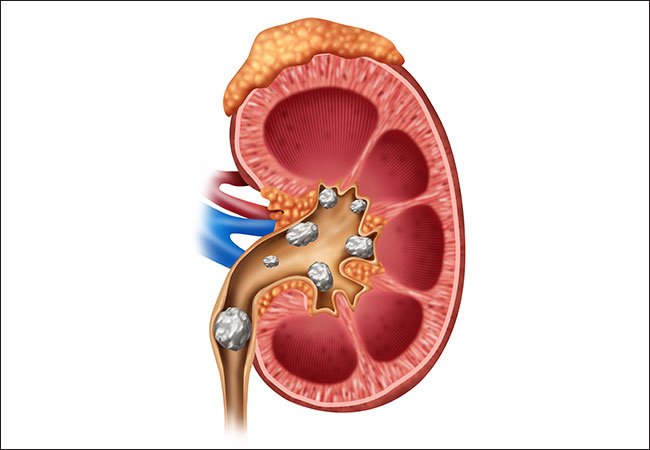
- In chronic cases: tophi (hard uric acid deposits under the skin), joint deformity, kidney stones
Homeopathic Perspective
Homeopathy sees gout as a disorder of metabolism and constitutional imbalance. Medicines aim to:
- Reduce inflammation and pain during acute attacks
- Correct the underlying metabolic tendency
- Prevent recurrence and complications
Some commonly indicated remedies are:
- Colchicum autumnale – most important for gout; intense pain in the big toe, extreme sensitivity to touch, worse from slightest movement or smell of food
- Ledum palustre – gout starting in feet, moving upwards, joints feel cold but pain better by cold applications
- Benzoic acid – high uric acid, offensive urine, pain in big joints with swelling
- Lycopodium – right-sided gout, bloating, digestive troubles along with joint pain
- Urtica urens – helps in eliminating excess uric acid, gout with kidney stone tendency
(Prescription should always be individualized by a qualified homeopath.)
Precautions & Lifestyle
- Avoid red meat, organ meat, shellfish, and alcohol (especially beer)
- Reduce sugary drinks and packaged juices
- Eat plenty of fresh fruits, vegetables, whole grains
- Include cherries, berries, and lemon water – they help reduce uric acid
- Hydration – drink 8–10 glasses of water daily to flush uric acid
- Maintain healthy weight – losing extra weight lowers uric acid naturally
- Exercise regularly – but avoid overexertion during acute flare-ups
- Limit medicines that raise uric acid (consult doctor before changing any prescription)
- Protect joints – wear comfortable footwear, avoid strain on toes and ankles