Follicular Thyroid Carcinoma (FTC)
What is Follicular Thyroid Carcinoma (FTC)
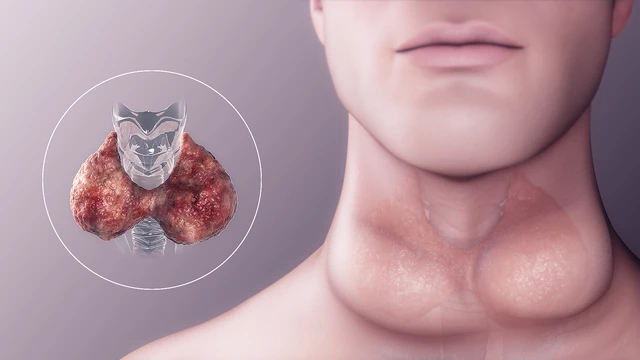
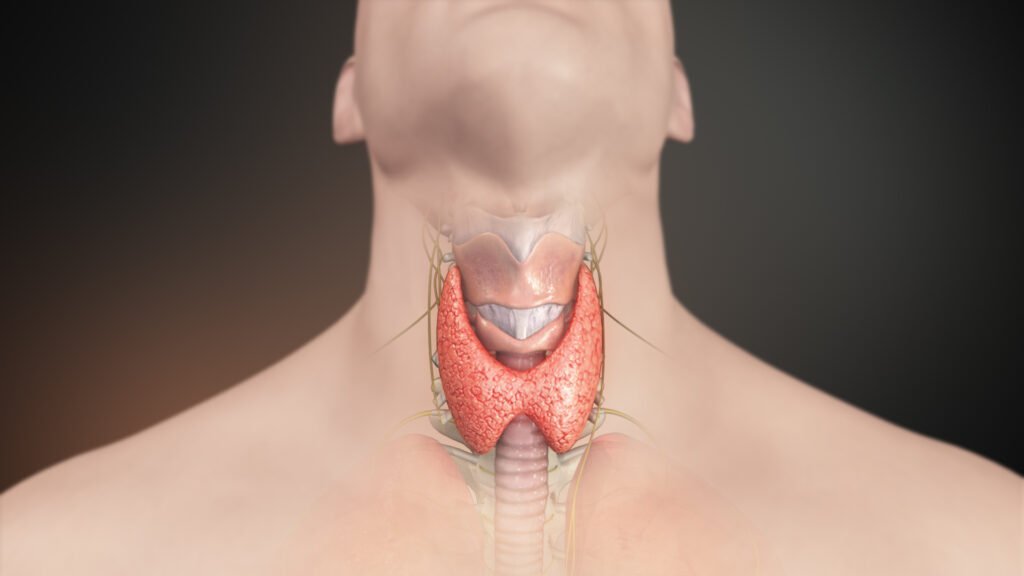
Follicular Thyroid Carcinoma (FTC) is the second most common type of thyroid cancer, after papillary carcinoma. It arises from the follicular cells of the thyroid gland — the same cells that produce thyroid hormones.
Unlike papillary carcinoma (which often spreads to lymph nodes), follicular carcinoma tends to spread through the bloodstream, especially to the bones, lungs, or liver.
From a homeopathic perspective, FTC reflects a deep disturbance in the body’s internal balance — an outcome of long-standing stress, hormonal imbalance, or suppression of natural emotions and diseases. Homeopathy views this cancer as a manifestation of a weakened vital force, where the body’s natural ability to maintain order and health becomes deranged, leading to unchecked tissue growth.
“Follicular thyroid carcinoma is not just an illness of cells, but a call from within — asking the body to regain balance, harmony, and inner strength.”
Homeopathy offers a gentle, deep-acting approach to strengthen immunity, slow disease progression, and support healing — treating not just the tumor, but the person as a whole.
Causes
Several factors may contribute to the development of follicular thyroid carcinoma:
- Iodine deficiency – Common in areas with low-iodine diets.
- Genetic predisposition – Family history of thyroid tumors or endocrine diseases.
- Radiation exposure – Especially to the neck or chest in early life.
- Hormonal imbalance – Particularly in women around middle age.
- Emotional and mental stress – Homeopathy recognizes prolonged mental strain, grief, and anxiety as subtle but powerful triggers that disturb hormonal harmony.
- Chronic thyroid inflammation (thyroiditis) – Can cause ongoing irritation and tissue changes leading to malignancy.
Symptoms
Follicular thyroid carcinoma often develops slowly and silently, but as it grows, patients may experience:
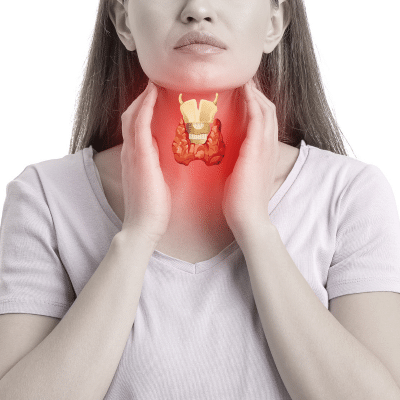
- A solitary, painless nodule or lump in the thyroid region.
- Fullness or tightness in the neck.
- Difficulty in swallowing or breathing (if the tumor grows large).
- Voice changes if nearby nerves are compressed.
- Bone pain or fractures – if cancer has spread to bones.
- Persistent fatigue, unexplained weight changes, or neck discomfort.
Diagnosis
Neck examination – To detect any swelling or lump.
- Thyroid function tests (T3, T4, TSH) – Usually normal or slightly abnormal.
- Ultrasound or CT scan – To visualize the structure and spread.
- Fine Needle Aspiration (FNA) – Helps identify cancer cells.
- Bone scan or MRI – If metastasis is suspected.
- Biopsy – Confirms follicular pattern under a microscope.
Homeopathic Understanding
In homeopathy, follicular thyroid carcinoma is viewed as a result of suppressed internal disorder, not merely as an isolated tumor. It symbolizes an imbalance between the mind-body connection and vital energy.
The homeopathic goal is not only to address the physical tumor but to:
- Correct the constitutional imbalance.
- Strengthen immunity and vitality.
- Slow down or arrest abnormal cell growth.
- Provide comfort, reduce symptoms, and improve overall well-being.
Homeopathy believes true healing occurs from within — when the body’s natural order is restored.
Homeopathic Remedies
(Remedies are chosen after full case evaluation — listed here for educational understanding only)
- Conium maculatum – Indicated for hard, slowly enlarging thyroid lumps; glands feel indurated and painless. Often helpful in post-radiation or post-inflammation cases.
- Iodum – For patients with rapid metabolism, restlessness, heat intolerance, and active glandular swellings.
- Spongia tosta – When the gland feels hard, dry, and there’s pressure or choking sensation on the throat.
- Calcarea fluorica – Excellent for stony-hard nodules and glandular indurations; supports tissue repair and elasticity.
- Phytolacca decandra – Glands are sensitive and painful to touch, radiating pain to the ears or chest.
- Carcinosin – For patients with a family history of cancer, perfectionist personality, and deep-seated emotional suppression.
- Silicea – Helps the body eliminate unhealthy tissues and boosts natural resistance.
(Note: Homeopathic treatment is highly individualized; remedy choice depends on the patient’s constitution, emotional state, and disease evolution.)
Lifestyle & Supportive
Eat wholesome food: Fresh fruits, green vegetables, and protein-rich meals. Avoid excess salt, processed foods, and preservatives.
- Stay hydrated: Helps the body flush toxins.
- Stress management: Yoga, meditation, or gentle breathing to balance mental and emotional energy.
- Avoid smoking, alcohol, and environmental toxins.
- Mild exercise and sunlight: Support hormone balance and overall vitality.
- Emotional expression: Suppressed emotions often disturb endocrine harmony — talk, share, and heal.