Erosive Gastritis
What is Erosive Gastritis
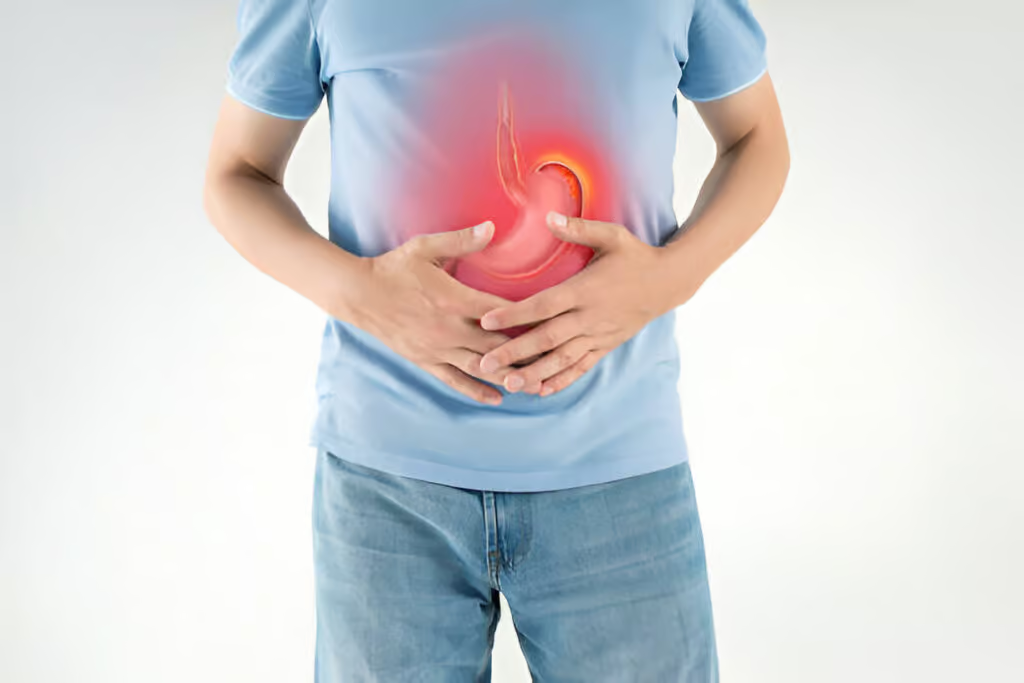
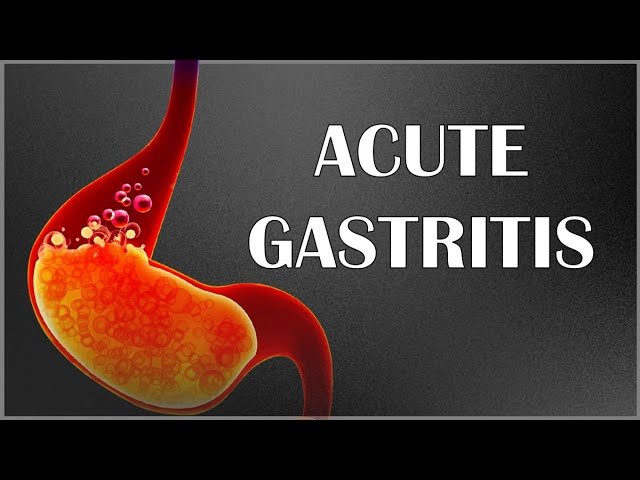
Erosive gastritis is a condition where the inner lining of the stomach (gastric mucosa) becomes inflamed and starts developing small erosions or superficial ulcers due to exposure to irritants like acid, bile, alcohol, or certain drugs.
Unlike simple gastritis (which causes only inflammation), erosive gastritis actually damages or eats away the stomach’s protective surface, leading to bleeding, pain, and rawness.
In homeopathy, this is seen as a deep derangement of the stomach’s vital energy, where the body’s natural mucosal defense is unable to resist chemical, emotional, or lifestyle stressors.
It reflects both physical irritation and inner imbalance — often connected to stress, drug use, or suppressed emotions.
Causes
1. Drug-Induced (Most Common):
- Painkillers (NSAIDs) like aspirin, ibuprofen, diclofenac.
- These drugs block prostaglandins, which normally protect the stomach lining.
- Continuous use leads to erosions and even bleeding.
2. Alcohol and Smoking:
- Alcohol directly irritates the mucosa and increases acid secretion.
- Smoking delays healing and reduces blood flow to the stomach lining.
3. Stress (Acute or Chronic):
- Severe stress (emotional or physical, such as surgery, burns, or trauma) releases stress hormones that reduce blood supply and protective mucus.
- Known as “stress gastritis.”
4. Bile Reflux or Chemical Injury:
- When bile flows back from the intestine into the stomach, it corrodes the mucosa, worsening erosion.
5. Infections:
- Helicobacter pylori (H. pylori) infection weakens mucosal protection, predisposing to erosions.
6. Homeopathic View of Causation:
- Emotional suppression (anger, grief, frustration) affecting the solar plexus and digestive system.
- Suppressed vital energy leading to disturbed acid secretion.
- Unhealthy habits—late eating, irregular meals, stimulants—exhaust the stomach’s vitality.
Pathophysiology
1. Irritants damage the mucus layer of the stomach.
2. Acid and pepsin then attack the exposed stomach wall.
3. This leads to inflammation, redness, erosions, and sometimes bleeding points.
4. Chronic irritation can result in ulcers or even anemia from slow blood loss.
Symptoms
- Digestive Symptoms:
- Burning or gnawing pain in the upper abdomen.
- Nausea or vomiting (sometimes with blood or “coffee-ground” appearance).
- Loss of appetite and feeling of fullness after small meals.
- Black or tarry stools (if bleeding).
- Bloating, sour belching, or bitter taste in the mouth.
2. General Symptoms:
- Weakness and dizziness (from blood loss).
- Pallor or fatigue due to anemia.
- Irritability, restlessness, and sleeplessness due to discomfort.
Complications
- Stomach ulcers
- Chronic blood loss → anemia
- Perforation (rare but serious)
- Increased risk of gastric infection or atrophy
Homeopathic Understanding
In homeopathy, erosive gastritis reflects a deep imbalance between the stomach’s defensive and destructive forces — where acidic and emotional aggression overtakes the protective harmony.
Treatment focuses not just on neutralizing acid but on rebuilding the stomach’s vitality, restoring mucosal integrity, and healing emotional disturbances that weaken digestion.
Key Homeopathic Remedies
- Arsenicum Album
- For burning pain in the stomach, especially after eating spoiled food, alcohol, or medicine.
- Pain relieved by warm drinks.
- Restlessness, anxiety, and fear of death.
- Perfect for erosive gastritis with burning, vomiting, and weakness.
2. Kali Bichromicum
- Round ulcers and erosions in the stomach.
- Stringy mucus, sour vomiting, and pain localized to one small spot.
- Ideal for chronic erosive gastritis progressing to ulcer stage.
3. Nux Vomica
- For gastritis due to alcohol, coffee, rich food, or medicines.
- Irritable, overworked people with digestive disturbances.
- Cramping pain, sour belching, and ineffectual desire for stool.
- Restores balance in drug-induced erosive gastritis.
4. Ipecacuanha
- Persistent nausea and vomiting, even of blood.
- Tongue clean but constant sick feeling.
- Excellent when vomiting predominates and stomach feels raw.
5. Phosphorus
- Vomiting of blood, burning and hunger soon after eating.
- Thirst for cold drinks which are vomited as soon as they warm in the stomach.
- Suited to erosive gastritis with bleeding and inflammation of mucosa.
6. Hydrastis Canadensis
- Chronic catarrhal gastritis with thick ropy mucus and dull pain.
- Weak digestion, bloating, and feeling of emptiness even after eating.
- Useful for rebuilding mucosa after long-standing erosion.
Diet & Lifestyle
- Eat small, frequent, bland meals (soft rice, porridge, boiled vegetables).
- Avoid NSAIDs, alcohol, and smoking.
- Stay away from coffee, spicy foods, and carbonated drinks.
- Use lukewarm water and avoid food just before sleep.
- Manage stress through deep breathing, yoga, or light walks.
- Get enough sleep and hydration.
- Avoid self-medication or long-term painkiller use.
Homeopathic Treatment Goals
Focus Area Objective
- Heal mucosal damage Stop erosions and bleeding
- Restore vitality Strengthen digestive power
- Balance acid secretion Prevent further injury
- Address stress/emotions Calm mind-gut axis
- Detoxify stomach Eliminate chemical effects
Summary
Erosive gastritis is not merely an acid problem — it’s a vital imbalance caused by drugs, emotions, and modern habits.
Through individualized homeopathic remedies, the aim is to heal from within, calm the stomach, and rebuild natural resilience — bringing harmony to both body and mind.