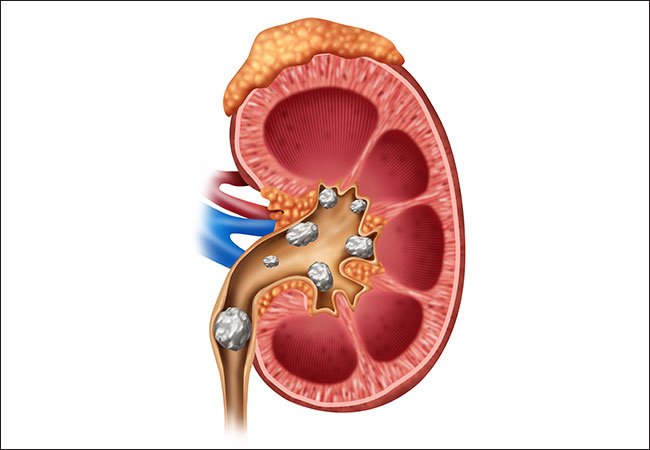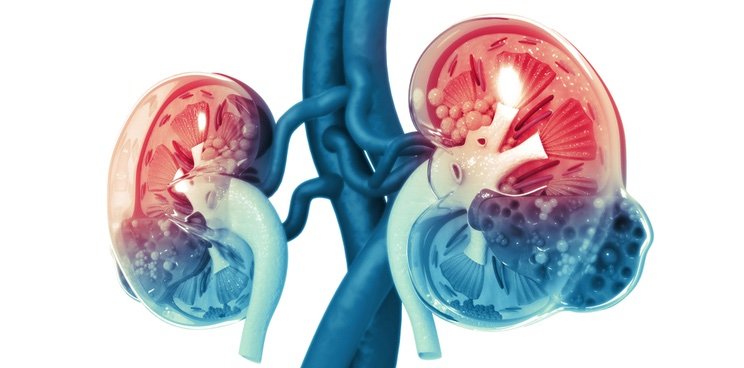
What is dialysis vs Kidney Transplant
When kidney function is severely damaged (chronic kidney disease or kidney failure), modern medicine usually suggests dialysis or kidney transplant.
- But from a homeopathic perspective, the aim is not just to replace kidney function artificially, but to stimulate the body’s natural healing capacity so kidneys can work better and complications are reduced.
Dialysis in Homeopathic View
- Dialysis is a life-support measure, not a cure.
- It only removes waste and excess water from blood, but it does not restore natural kidney health.
- Homeopathy sees dialysis as a temporary supportive option when toxins (urea, creatinine) are dangerously high.
Alongside dialysis, constitutional homeopathic treatment can help improve the patient’s vitality, reduce complications (weakness, cramps, nausea, itching, swelling), and sometimes slow the progression of kidney damage
Kidney Transplant
- Transplant replaces the diseased kidney with a donor kidney.
- It requires lifelong anti-rejection medicines, which lower immunity.
- From a homeopathic perspective, a transplant does not address the root cause of kidney failure (such as diabetes, hypertension, repeated infections, or hereditary weakness).
Homeopathy works at the deep constitutional level to improve the patient’s immune balance, reduce chances of rejection-related complications, and support general health.
Homeopathic Goal in Kidney Failure
- Holistic approach – treatment is individualized, based on the person’s constitution, habits, mental state, and physical symptoms.
- Preventive role – in early kidney disease, homeopathy can slow down deterioration and sometimes avoid dialysis.
Supportive role – in patients already on dialysis or after transplant, homeopathy helps with:
- Weakness and fatigue
- Edema (swelling)
- Itching and skin issues
- High blood pressure
- Digestive disturbances
- Emotional stress and depression
Precautions from Homeopathic POV
- Avoid excessive use of painkillers, strong allopathic drugs unless absolutely necessary.
- Keep sugar and BP under strict control naturally (homeopathy + diet + lifestyle).
- Avoid unnecessary strain on kidneys – e.g., high salt, junk food, packaged drinks.
- Regular water intake (but balanced, as per condition).
- Avoid mental stress and anxiety, which weaken overall vitality.
- Regular follow-up with a homeopathic physician to track creatinine, urea, and urine output.
Summary:
Dialysis and transplant are supportive measures, but homeopathy focuses on the root cause, improving vitality, preventing deterioration, and reducing complications – making life smoother and more balanced.
Homeopathic Support During Dialysis
1. Weakness & Fatigue After Dialysis
- China Officinalis – extreme weakness from fluid loss, dizziness.
- Arsenicum Album – weakness + restlessness, fear, burning pains.
- Phosphoric Acid – mental & physical exhaustion.
2. Nausea & Vomiting During Dialysis
- Ipecac – persistent nausea, vomiting doesn’t relieve.
- Nux Vomica – nausea after medicines or irregular food.
- Tabacum – nausea with cold sweat, faint feeling.
3. Cramps & Muscle Pain
- Cuprum Metallicum – violent cramps, spasms during or after dialysis.
- Magnesia Phos – cramps better by warmth & pressure.
4. Itching Due to Uremia
- Sulphur – intense itching, worse at night, better by scratching.
- Urtica Urens – itching with hives, burning sensation.
Homeopathic Precautions for Dialysis Patients
Do not stop dialysis suddenly – Homeopathy is supportive, not a replacement for dialysis.
- Avoid self-medication – remedy choice is highly individualized.
- Maintain fluid restriction & salt control as advised by your nephrologist.
- Regular follow-up (both with nephrologist + homeopath) is essential.