Tuberculosis

Tuberculosis

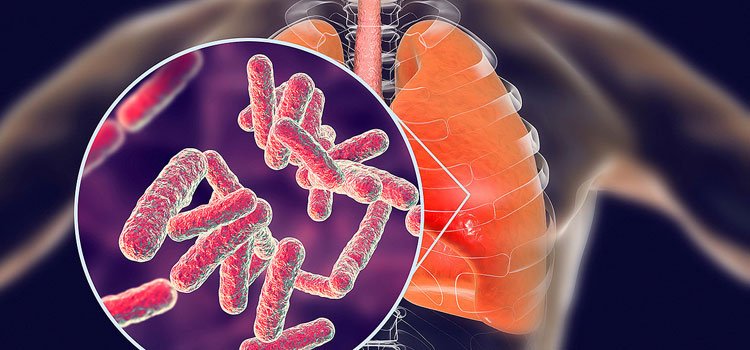
Drug-Resistant Tuberculosis (DR-TB)

Drug-Resistant Tuberculosis (DR-TB) occurs when Mycobacterium tuberculosis becomes resistant to one or more first-line anti-TB drugs.
This resistance develops due to irregular treatment, incomplete therapy, or improper drug use.
DR-TB is harder to treat and often requires stronger second-line medications with longer treatment duration.
Symptoms are similar to regular TB—cough, fever, weight loss, and night sweats—but treatment response is slower.
Early diagnosis through drug-susceptibility testing (DST) and strict adherence to therapy is essential to prevent further resistance.

Drug-Resistant Tuberculosis (DR-TB) Read Post »
Tuberculosis

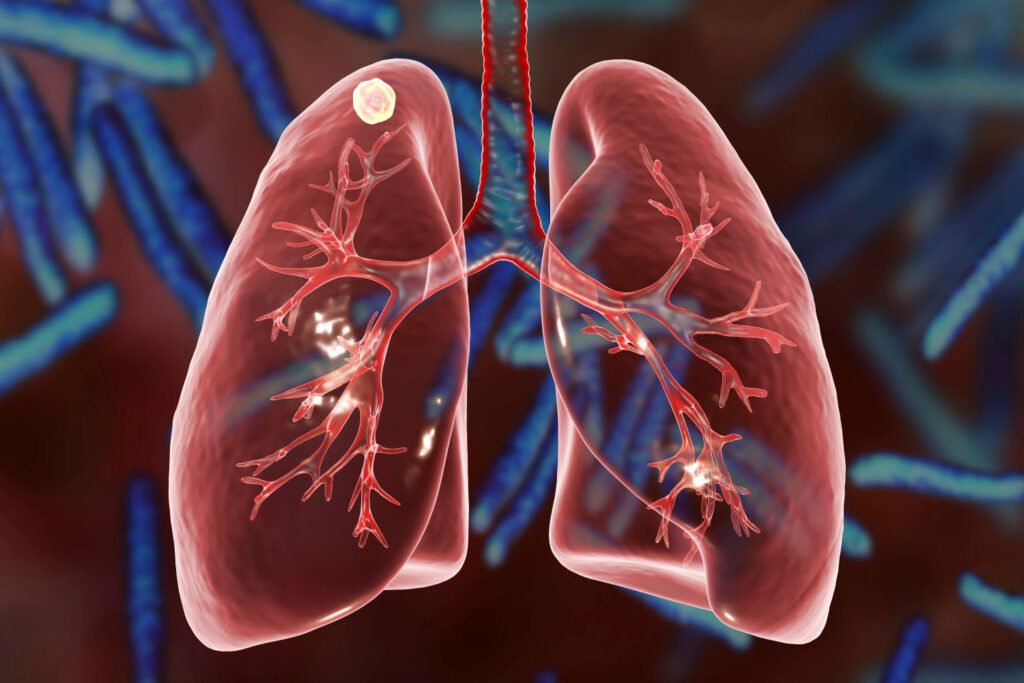
Drug-Sensitive Tuberculosis (DS-TB)

Drug-Sensitive Tuberculosis (DS-TB) is a form of TB in which Mycobacterium tuberculosis responds effectively to first-line anti-TB drugs.
Standard treatment includes Isoniazid, Rifampicin, Pyrazinamide, and Ethambutol.
DS-TB is the most common and easily curable type when therapy is taken regularly.
Symptoms resemble typical pulmonary TB—cough, fever, weight loss, and night sweats.
Completing the full treatment course is essential to prevent drug resistance and ensure complete cure.

Drug-Sensitive Tuberculosis (DS-TB) Read Post »

Tuberculosis

Active Tuberculosis (Active TB)

Active Tuberculosis (Active TB) occurs when Mycobacterium tuberculosis multiplies in the body and causes visible symptoms.
People with active TB, especially pulmonary TB, are contagious and can spread the infection through coughing or sneezing.
Symptoms include persistent cough, fever, night sweats, weight loss, and fatigue.
Active TB reflects a weakened immune response, allowing dormant or new bacteria to grow.
Early diagnosis and a full course of anti-TB therapy are essential for cure and preventing transmission.

Active Tuberculosis (Active TB) Read Post »

Tuberculosis

Latent Tuberculosis (Latent TB)

Latent Tuberculosis (Latent TB) occurs when a person is infected with Mycobacterium tuberculosis but the bacteria remain inactive in the body.
Individuals with latent TB do not show symptoms and are not contagious to others.
The bacteria stay dormant because the immune system successfully controls the infection.
Latent TB can reactivate later—especially during low immunity, stress, chronic illness, or malnutrition.
Preventive TB treatment is important to stop reactivation and protect long-term health.

Latent Tuberculosis (Latent TB) Read Post »

Tuberculosis

Disseminated Tuberculosis

Disseminated Tuberculosis is a widespread form of TB where Mycobacterium tuberculosis spreads through the bloodstream or lymphatic system to multiple organs.
It can involve the lungs, liver, spleen, bone marrow, kidneys, brain, and other tissues simultaneously.
This condition usually occurs in individuals with weak immunity, malnutrition, or chronic illnesses.
Symptoms include persistent fever, weight loss, fatigue, anemia, and organ-specific clinical signs.
Early diagnosis and a full course of anti-TB therapy are critical, as disseminated TB can be life-threatening if untreated.

Disseminated Tuberculosis Read Post »

Tuberculosis

Miliary Tuberculosis (Miliary TB

Miliary Tuberculosis (Miliary TB) is a severe, disseminated form of TB where the bacteria spread through the bloodstream to multiple organs.
It produces numerous tiny, millet seed–like nodules throughout the lungs and other tissues, visible on imaging.
Miliary TB can affect the liver, spleen, bone marrow, kidneys, brain, and the entire respiratory system.
Symptoms include persistent fever, weight loss, fatigue, breathlessness, and sometimes organ-specific signs.
It is a medical emergency, but with early diagnosis and full anti-TB treatment, recovery is possible.

Miliary Tuberculosis (Miliary TB Read Post »

Tuberculosis

Extrapulmonary Tuberculosis (EPTB)

Extrapulmonary Tuberculosis (EPTB) refers to TB infection occurring outside the lungs, affecting other organs and tissues.
It can involve the lymph nodes, pleura, abdomen, bones, joints, kidneys, spine, meninges, and even the skin.
Symptoms vary depending on the organ involved, making EPTB often difficult to diagnose without imaging or biopsy.
Risk is higher in people with low immunity, malnutrition, HIV, or chronic illnesses.
With early detection and full anti-TB therapy, most forms of EPTB are treatable and curable.

Extrapulmonary Tuberculosis (EPTB) Read Post »

Tuberculosis

Lobar, Segmental & Diffuse Pulmonary Tuberculosis

Lobar Pulmonary Tuberculosis involves infection confined to a single lung lobe, producing dense consolidation and classic TB infiltrates.
Segmental Pulmonary Tuberculosis affects one or more bronchopulmonary segments, often causing patchy opacities and airway blockage.
Diffuse Pulmonary Tuberculosis presents with widespread involvement of both lungs, showing multiple nodules, opacities, or miliary-type spread.
These patterns depend on bacterial load, host immunity, and airway involvement, making radiology crucial for diagnosis.
With early detection and complete anti-TB treatment, all three forms are treatable and potentially reversible, though residual fibrosis may persist

Lobar, Segmental & Diffuse Pulmonary Tuberculosis Read Post »

Tuberculosis

Endobronchial Tuberculosis (EBTB)

Endobronchial Tuberculosis (EBTB) is a form of TB that specifically involves the trachea and bronchi, causing inflammation and ulceration inside the airways.
It commonly occurs as a complication of pulmonary TB and can lead to bronchial obstruction.
Patients may develop symptoms like persistent cough, wheezing, breathlessness, and recurrent lung infections.
If not treated early, EBTB can cause bronchial stenosis, leading to long-term airflow limitation.
Prompt diagnosis through bronchoscopy and complete anti-TB therapy helps achieve effective recovery and prevents complications.

Endobronchial Tuberculosis (EBTB) Read Post »

Tuberculosis

Cavitary Pulmonary Tuberculosis (Cavitary TB)

Cavitary Pulmonary Tuberculosis is a severe form of lung TB where the infection creates hollow, air-filled cavities in lung tissue.
These cavities form due to caseous necrosis, where infected lung tissue breaks down and liquefies.
Cavitary TB usually affects the upper lobes and is highly infectious because cavity walls contain a large number of TB bacteria.
Symptoms include persistent cough, fever, night sweats, chest pain, and blood-tinged sputum.
With early diagnosis and complete anti-TB treatment, cavitary TB can be controlled and cured, though healing may leave scars.

Cavitary Pulmonary Tuberculosis (Cavitary TB) Read Post »