Thyroid

eye sight, Thyroid

Graves’ Disease

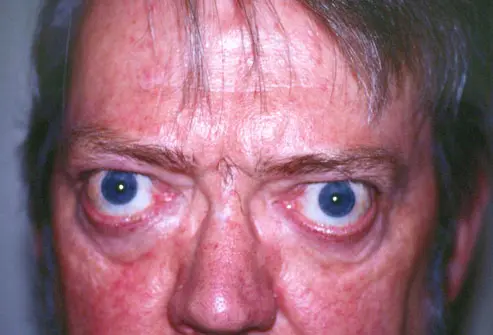
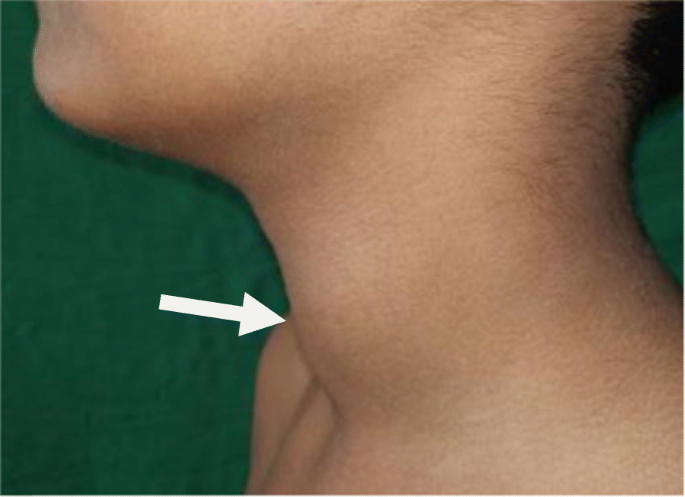
Graves’ disease is an autoimmune disorder that causes the thyroid gland to overproduce thyroid hormones (hyperthyroidism).
It is more common in women and often associated with goiter and eye symptoms like bulging eyes (exophthalmos).
The condition leads to symptoms such as weight loss, rapid heartbeat, anxiety, and heat intolerance.
It results from antibodies stimulating the thyroid to produce excess hormones.
Early diagnosis and proper management can prevent severe complications and improve quality of life.
Graves’ Disease Read Post »

Thyroid

Acute (Suppurative) Thyroiditis

Acute thyroiditis, also called suppurative thyroiditis, is a rare bacterial infection of the thyroid gland.
It develops rapidly and can cause severe pain, redness, and swelling in the neck.
Symptoms often include fever, difficulty swallowing, and general malaise.
The infection may result from direct spread from nearby structures or bloodstream infection.
Treatment involves prompt antibiotics, drainage of abscess if necessary, and supportive care.

Acute (Suppurative) Thyroiditis Read Post »

Thyroid

Silent (Painless) Thyroiditis

Silent thyroiditis, also called painless thyroiditis, is an autoimmune inflammation of the thyroid gland.
It typically causes a temporary phase of hyperthyroidism, followed by hypothyroidism, without neck pain.
The condition may occur spontaneously or postpartum and is more common in women.
Symptoms include fatigue, palpitations, weight changes, and mild neck swelling in some cases.
Treatment focuses on monitoring thyroid function and managing symptoms; most cases resolve spontaneously.

Silent (Painless) Thyroiditis Read Post »

Thyroid

Postpartum Thyroiditis

Postpartum thyroiditis is inflammation of the thyroid gland that occurs within the first year after childbirth.
It often involves an initial phase of hyperthyroidism followed by hypothyroidism.
Symptoms may include fatigue, weight changes, palpitations, mood swings, and neck discomfort.
The condition is thought to be autoimmune in nature and usually resolves within 12–18 months.
Treatment focuses on managing thyroid hormone levels and relieving symptoms as needed.

Postpartum Thyroiditis Read Post »

Thyroid

Subacute (De Quervain’s) Thyroiditis

Subacute thyroiditis, also called De Quervain’s thyroiditis, is a painful inflammation of the thyroid gland.
It often follows a viral infection and leads to temporary hyperthyroidism followed by hypothyroidism.
Symptoms include neck pain, fever, fatigue, and tenderness over the thyroid.
The condition is usually self-limiting and resolves over weeks to months.
Treatment focuses on pain relief, anti-inflammatory medications, and managing thyroid hormone levels if needed.

Subacute (De Quervain’s) Thyroiditis Read Post »

Thyroid

Hashimoto’s Thyroiditis

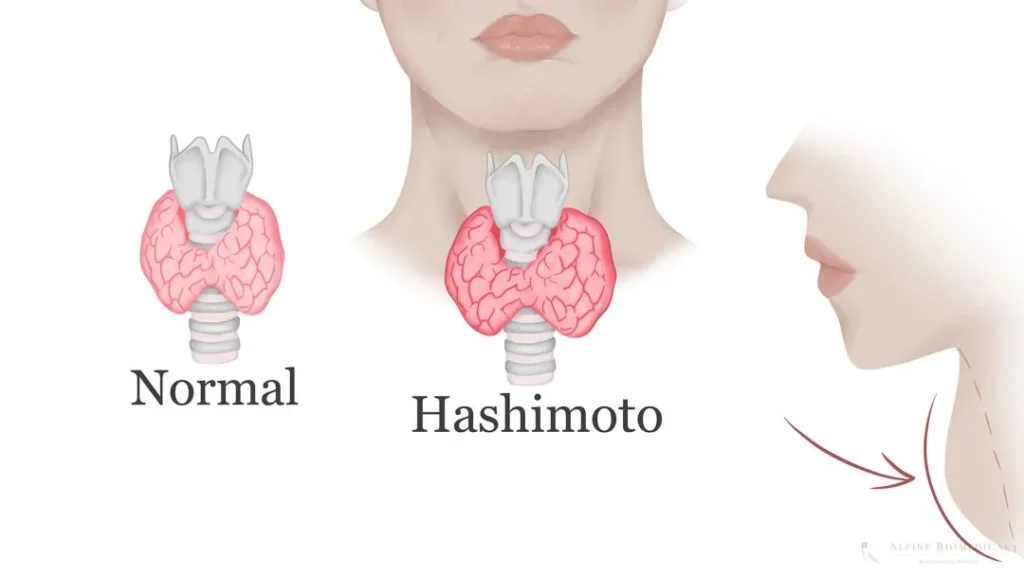
Hashimoto’s thyroiditis is an autoimmune disorder in which the immune system attacks the thyroid gland.
This leads to chronic inflammation and gradual destruction of thyroid tissue, often causing hypothyroidism.
It is more common in women and may occur at any age, typically between 30 and 50 years.
Symptoms include fatigue, weight gain, cold intolerance, dry skin, and swelling in the neck.
Diagnosis involves blood tests for thyroid hormones and antibodies, and treatment usually requires lifelong thyroid hormone replacement.

Hashimoto’s Thyroiditis Read Post »

Thyroid

Benign Thyroid Nodules

Benign thyroid nodules are non-cancerous lumps that form within the thyroid gland.
They can be solid, cystic, or a combination of both and often grow slowly.
Most nodules cause no symptoms and are discovered incidentally during routine check-ups or imaging.
Large nodules may lead to visible neck swelling, discomfort, or difficulty swallowing.
Evaluation through ultrasound and fine-needle aspiration helps confirm their benign nature and guide management.

Benign Thyroid Nodules Read Post »

Thyroid

Colloid Thyroid Nodules

Colloid thyroid nodules are benign lumps in the thyroid filled with colloid, a protein-rich substance.
They usually develop slowly and are more common in adults, particularly women.
Most nodules do not cause symptoms and are discovered during routine examinations or imaging.
Large nodules may cause visible neck swelling, discomfort, or difficulty swallowing.
Evaluation includes ultrasound and, if needed, fine-needle aspiration to confirm benign nature and rule out malignancy.

Colloid Thyroid Nodules Read Post »

Thyroid

Thyroid Cysts

Thyroid cysts are fluid-filled sacs that develop within the thyroid gland.
They can arise from degeneration of existing thyroid nodules or developmental abnormalities.
Most thyroid cysts are benign and often cause no symptoms.
Large cysts may lead to neck swelling, discomfort, or difficulty swallowing.
Diagnosis is typically made using ultrasound, and treatment may involve observation, aspiration, or surgery if necessary.

Thyroid Cysts Read Post »

Thyroid

Adenomatous Thyroid Nodule

An adenomatous thyroid nodule is a benign overgrowth of thyroid tissue forming a lump in the gland.
It is often a solitary nodule but can also be part of a multinodular goitre.
Most adenomatous nodules do not produce symptoms and are discovered during routine examinations.
Rarely, they may cause pressure effects like difficulty swallowing or changes in voice.
Evaluation includes ultrasound and fine-needle aspiration to rule out malignancy and guide management.

Adenomatous Thyroid Nodule Read Post »