Thyroid

Thyroid

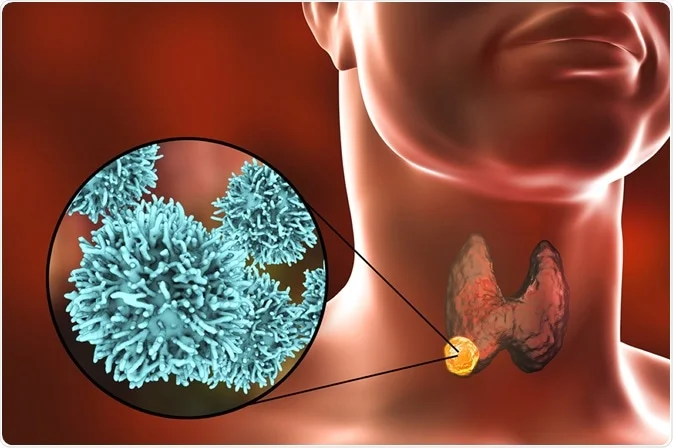
Thyroid Carcinoma

Thyroid carcinoma is a malignant tumor originating from the thyroid gland’s epithelial cells.
It may present as a painless neck nodule, sometimes associated with hoarseness or swallowing difficulty.
The major types include papillary, follicular, medullary, and anaplastic carcinoma.
Early detection through ultrasound and biopsy improves prognosis significantly.
Treatment usually involves surgery, radioactive iodine, and lifelong thyroid hormone therapy.
Thyroid Carcinoma Read Post »

Thyroid

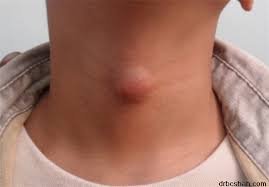
Thyroid Adenoma

Thyroid adenoma is a benign (non-cancerous) tumor of the thyroid gland arising from follicular cells.
It usually presents as a single, painless thyroid nodule that grows slowly.
Most adenomas do not affect thyroid function, but some may produce excess hormones causing hyperthyroidism (toxic adenoma).
Diagnosis is made through ultrasound, fine-needle aspiration, and thyroid function tests.
Treatment may involve observation, surgery, or radioactive iodine depending on symptoms and activity.

Thyroid Adenoma Read Post »

Thyroid

Thyroid Storm (Thyrotoxic Crisis)

Thyroid storm is a rare, life-threatening complication of uncontrolled hyperthyroidism.
It is characterized by a sudden and severe increase in thyroid hormone levels.
Symptoms include high fever, rapid heartbeat, agitation, confusion, and sometimes heart failure.
Common triggers include infection, surgery, trauma, or discontinuation of antithyroid medication.
Immediate emergency treatment with antithyroid drugs, beta-blockers, and supportive care is essential to prevent mortality.

Thyroid Storm (Thyrotoxic Crisis) Read Post »

Thyroid

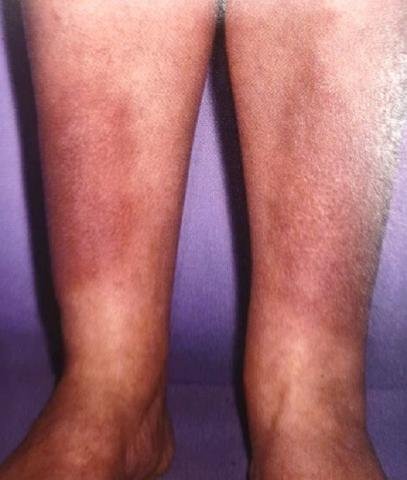
Myxedema (Severe Hypothyroidism)

Myxedema is a severe form of hypothyroidism resulting from prolonged thyroid hormone deficiency.
It is characterized by swelling of the skin and tissues, particularly in the face and extremities.
Symptoms include extreme fatigue, weight gain, cold intolerance, dry skin, and slowed mental and physical activity.
In advanced cases, it can lead to life-threatening complications like myxedema coma.
Treatment involves prompt and carefully monitored thyroid hormone replacement therapy.

Myxedema (Severe Hypothyroidism) Read Post »

Thyroid

Subclinical Hypothyroidism

Subclinical Hypothyroidism is a mild form of thyroid hormone deficiency where thyroid-stimulating hormone (TSH) levels are elevated, but thyroid hormones (T3 and T4) remain normal. It often occurs in the early stages of thyroid failure. Most patients may not show clear symptoms, though some experience fatigue, weight gain, or cold intolerance. It can progress to overt hypothyroidism if untreated. Regular monitoring and treatment are advised based on TSH levels and symptoms.

Subclinical Hypothyroidism Read Post »

Thyroid

Subclinical Hyperthyroidism

Subclinical Hyperthyroidism is a mild form of thyroid overactivity where the thyroid-stimulating hormone (TSH) level is low, but thyroid hormones (T3 and T4) remain normal. It often occurs in early stages of Graves’ disease, multinodular goitre, or due to excessive thyroid hormone intake. Most cases are asymptomatic, though some may experience palpitations or anxiety. Long-term untreated cases can increase the risk of heart disease and bone loss.

Subclinical Hyperthyroidism Read Post »

Thyroid

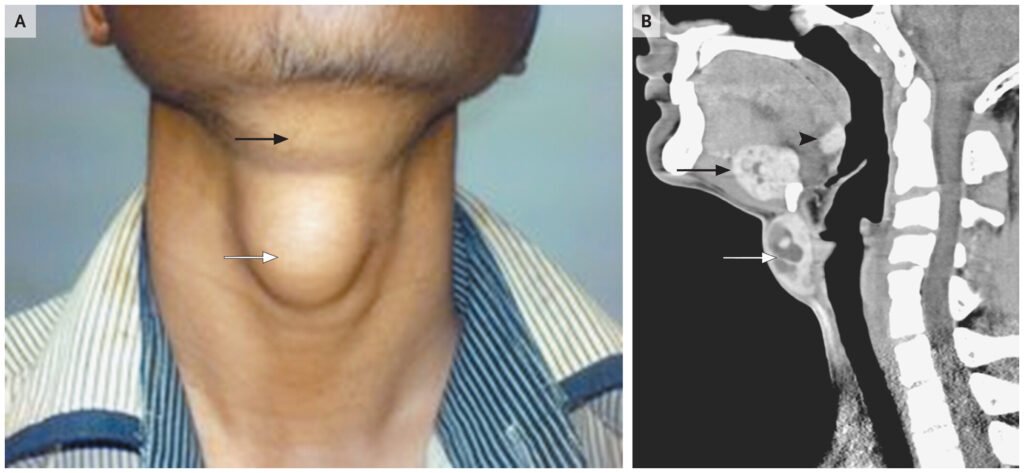
Thyroglossal Duct Cyst

A thyroglossal duct cyst is a congenital neck mass formed from leftover tissue along the pathway of thyroid gland development.
It usually appears as a painless, movable lump in the midline of the neck, often noticed in children or young adults.
The swelling typically moves upward when swallowing or sticking out the tongue.
Infection or inflammation can cause pain, redness, or discharge from the cyst.
Surgical removal (Sistrunk procedure) is the preferred treatment to prevent recurrence.

Thyroglossal Duct Cyst Read Post »

Thyroid

Ectopic Thyroid

Ectopic Thyroid is a rare condition where thyroid tissue is located outside its normal position in the neck, often along the path of its embryologic descent. The most common site is the base of the tongue (lingual thyroid). This occurs due to abnormal migration of thyroid tissue during development. It may cause symptoms like difficulty swallowing, breathing issues, or a visible neck mass. Diagnosis is confirmed through imaging and thyroid function tests.

Ectopic Thyroid Read Post »

Thyroid

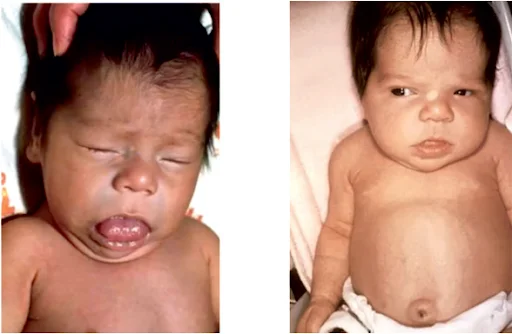
Congenital Hypothyroidism

Congenital Hypothyroidism is a thyroid hormone deficiency present at birth due to thyroid gland malformation or dysfunction. It can cause growth retardation, developmental delay, and intellectual disability if untreated. Early diagnosis through newborn screening is vital. Treatment involves lifelong thyroid hormone replacement therapy. Timely management ensures normal growth and mental development.

Congenital Hypothyroidism Read Post »

eye sight, Thyroid

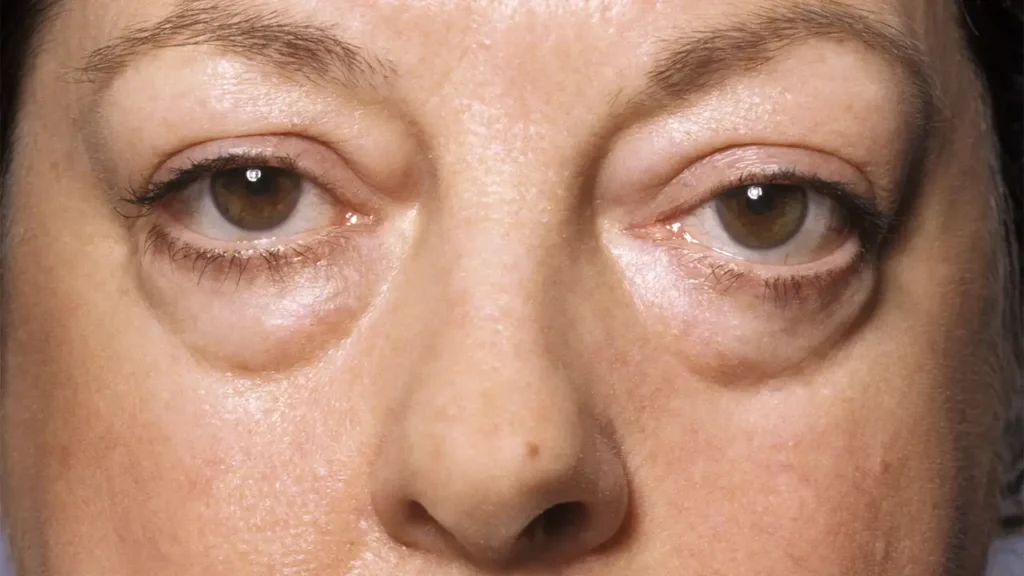
Thyroid Eye Disease (TED)

Thyroid Eye Disease (TED), also known as Graves’ ophthalmopathy, is an autoimmune condition linked with hyperthyroidism. It causes inflammation and swelling of the eye muscles and tissues around the eyes. Symptoms include bulging eyes, dryness, double vision, and eye pain. In severe cases, vision may be threatened due to optic nerve compression. Early diagnosis and management are essential to prevent permanent eye damage.

Thyroid Eye Disease (TED) Read Post »