Migraine

Migraine

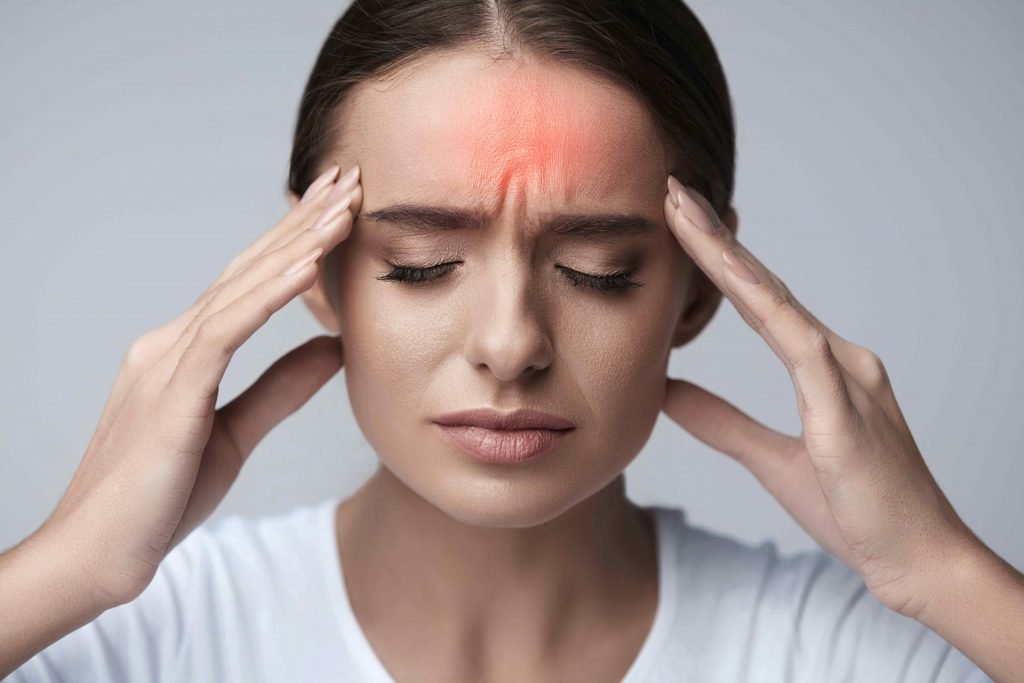
Stress-Induced Migraine

Stress-Induced Migraine is triggered by emotional or physical stress.
It causes throbbing head pain, sensitivity to light, and nausea.
Tension, anxiety, or overwork can lead to an attack.
Managing stress through relaxation and rest helps reduce episodes.
Treatment includes lifestyle changes and prescribed medication.

Stress-Induced Migraine Read Post »
Migraine

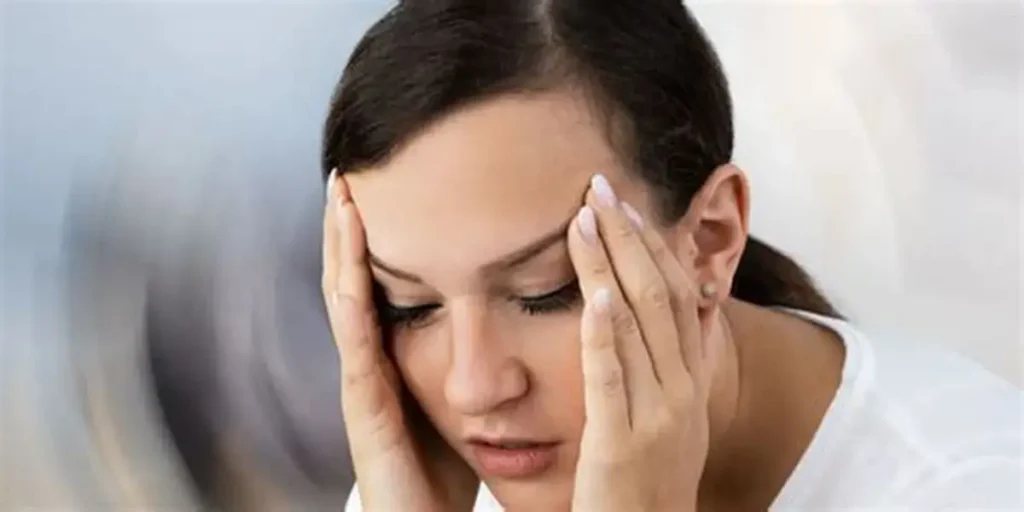
Silent Migraine (Acephalgic Migraine / Migraine Aura Without Headache)

Silent Migraine is a type of migraine that occurs without a headache.
It causes symptoms like visual disturbances, dizziness, nausea, or confusion.
People may experience aura symptoms such as flashing lights or blind spots.
The absence of pain makes it harder to diagnose.
Treatment focuses on identifying triggers and preventing future attacks.

Silent Migraine (Acephalgic Migraine / Migraine Aura Without Headache) Read Post »

Migraine

Retinal Migraine

Retinal Migraine is a rare form of migraine that affects vision in one eye.
It causes temporary blindness or visual disturbances like flashing lights or blind spots.
These symptoms usually last from a few minutes to an hour.
A headache may follow or occur along with the visual symptoms.
Treatment involves managing triggers and preventing future attacks.

Retinal Migraine Read Post »

Migraine

Hemiplegic Migraine

Hemiplegic Migraine is a rare type of migraine that causes temporary weakness or paralysis on one side of the body.
It often mimics a stroke, with symptoms like numbness, vision changes, and difficulty speaking.
Attacks can last from hours to days and may include severe headache and aura.
It can be familial (genetic) or sporadic (without family history).
Treatment focuses on managing symptoms and preventing future attacks.

Hemiplegic Migraine Read Post »

Migraine

Vestibular Migraine

Vestibular Migraine is a type of migraine that primarily affects balance and spatial orientation rather than causing a typical headache.
Symptoms include dizziness, vertigo, unsteadiness, and nausea, often triggered by motion or certain visual stimuli.
Some patients may still experience mild to moderate headache during episodes.
It can significantly impact daily activities, especially walking, driving, or working.
Management involves vestibular rehabilitation, preventive migraine medications, and lifestyle modifications to reduce triggers.

Vestibular Migraine Read Post »

Migraine

Abdominal Migraine

Abdominal Migraine is a type of migraine that primarily affects the stomach rather than the head, mostly seen in children.
Symptoms include recurrent abdominal pain, nausea, vomiting, and loss of appetite.
Attacks may be triggered by stress, certain foods, or hormonal changes.
Children often appear pale, fatigued, and irritable during episodes.
Management involves dietary changes, hydration, symptom relief medications, and preventive therapy in recurrent cases.

Abdominal Migraine Read Post »

Migraine

Chronic Migraine

Chronic Migraine is a neurological disorder characterized by headaches occurring 15 or more days per month for over three months.
It often involves moderate to severe pain, typically on one side of the head, with nausea and sensitivity to light or sound.
Triggers include stress, hormonal changes, sleep disturbances, and certain foods.
Chronic migraine significantly impacts daily activities and quality of life.
Management involves preventive medications, lifestyle modifications, and acute treatments for headache episodes.

Chronic Migraine Read Post »

Migraine

Menstrual Migraine (Hormonal Migraine)

Menstrual Migraine occurs in women due to hormonal fluctuations, especially the drop in estrogen before menstruation.
It typically appears one or two days before or during periods.
Symptoms include throbbing headache, fatigue, nausea, and sensitivity to light or sound.
These migraines are often more severe and resistant to usual treatments.
Management includes hormonal balance, preventive medications, and lifestyle

Menstrual Migraine (Hormonal Migraine) Read Post »