Hemorrhoids

Hemorrhoids

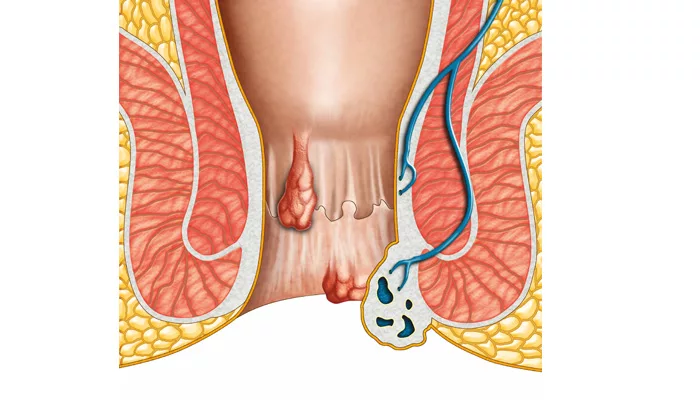
Complications of Piles (Hemorrhoids)

Untreated piles can lead to complications such as persistent pain, itching, and swelling.
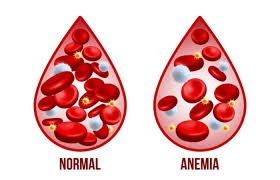
Bleeding piles may cause anemia if blood loss is frequent and significant.
Prolapsed or thrombosed hemorrhoids can result in severe pain, clot formation, and infection.
Chronic inflammation may lead to skin irritation, ulcers, or difficulty maintaining hygiene.
In advanced cases, surgery may be required to prevent worsening and restore quality of life.

Complications of Piles (Hemorrhoids) Read Post »

Hemorrhoids

Incontinence & Infection

Incontinence is the involuntary leakage of urine or stool, often caused by weak pelvic muscles or nerve issues.
Infections commonly affect the urinary or anal-genital region, leading to pain, burning, and irritation.
Symptoms may include urgency, frequent urination, foul-smelling discharge, itching, and pelvic discomfort.
Causes include chronic constipation, aging, nerve damage, or bacterial, viral, or fungal infections.
Management involves hygiene, pelvic floor exercises, symptom relief, and medical or homeopathic support depending on severity.

Incontinence & Infection Read Post »

Hemorrhoids

Fissures & Fistula Formation

An anal fissure is a small tear in the lining of the anus, often causing sharp pain and bleeding during bowel movements.
If left untreated, chronic fissures can lead to infection and the development of an anal fistula.
An anal fistula is an abnormal tunnel connecting the anal canal to the skin around the anus.
Symptoms include persistent pain, pus or discharge, swelling, and recurrent infections.
Management involves stool softeners, sitz baths, medications, and surgical procedures for chronic or complex cases.

Fissures & Fistula Formation Read Post »

Hemorrhoids

Anemia

Anemia is a condition where the blood has a reduced number of red blood cells or hemoglobin.
It leads to decreased oxygen-carrying capacity, causing fatigue, weakness, and shortness of breath.
Common causes include nutritional deficiencies (iron, vitamin B12, folate), chronic diseases, or blood loss.
Symptoms may also include pale skin, dizziness, headaches, and rapid heartbeat.
Management depends on the cause and may involve dietary supplements, medications, or treating underlying conditions.

Anemia Read Post »

Hemorrhoids

Thrombosis & Abscess

Thrombosis occurs when a blood clot forms inside hemorrhoidal veins, leading to sudden severe pain and swelling.
An abscess develops when infected hemorrhoids form a collection of pus around the anus.
Both conditions can cause intense pain, redness, tenderness, and difficulty sitting or passing stool.
They may result from untreated piles, prolonged constipation, or bacterial infection.
Management involves pain relief, antibiotics, drainage of abscess, and sometimes surgical intervention.

Thrombosis & Abscess Read Post »

Hemorrhoids

Ulcerated Piles

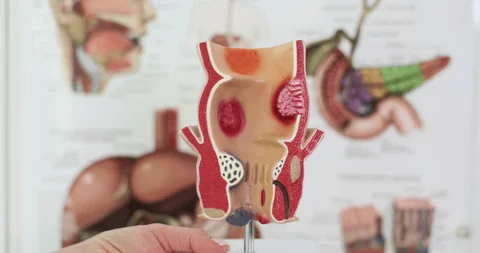
Ulcerated piles occur when hemorrhoids become severely inflamed and develop open sores or ulcers.
They often cause pain, bleeding, discharge, and a higher risk of infection.
This condition usually develops in chronic or prolapsed piles that are left untreated.
Patients may experience difficulty sitting, discomfort during bowel movements, and foul-smelling discharge.
Management involves pain relief, infection control, local wound care, and in severe cases, surgical intervention.

Ulcerated Piles Read Post »

Hemorrhoids

Strangulated Piles

Strangulated piles occur when a prolapsed hemorrhoid’s blood supply is cut off, leading to severe pain and swelling.
The affected tissue may become bluish, very tender, and at risk of tissue death (necrosis).
Symptoms include intense pain, bleeding, difficulty passing stool, and possible infection.
It is considered a medical emergency requiring urgent treatment to prevent complications.
Management may involve pain relief, clot removal, or surgical intervention to restore circulation.

Strangulated Piles Read Post »

Constipation, Hemorrhoids

Mixed Piles (Combination Hemorrhoids)

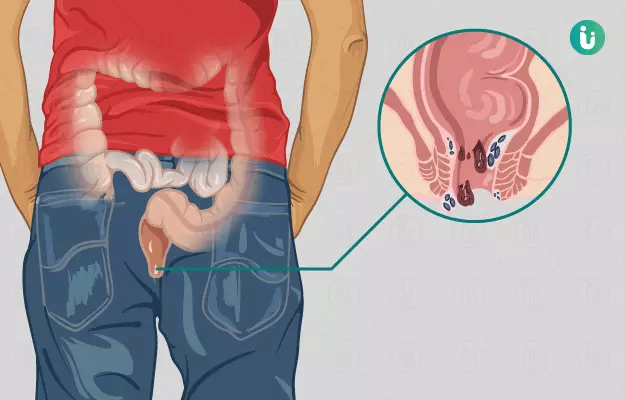
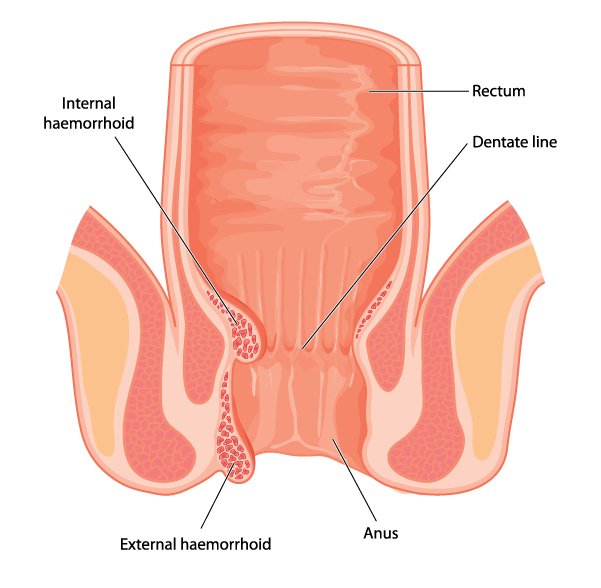
Mixed piles involve the presence of both internal and external hemorrhoids simultaneously.
Patients may experience pain, swelling, itching, and bleeding during or after bowel movements.
They can result from chronic constipation, straining, pregnancy, prolonged sitting, or low-fiber diets.
Complications can include prolapse, thrombosis, or persistent discomfort if left untreated.
Management involves dietary changes, hydration, stool softeners, topical treatments, and medical procedures for severe cases.

Mixed Piles (Combination Hemorrhoids) Read Post »

Hemorrhoids

Blind Piles (Non-Bleeding Hemorrhoids)

Blind piles are hemorrhoids that do not bleed and often remain unnoticed until they cause discomfort.
They can cause symptoms like itching, swelling, and a sensation of a lump near the anus.
Common causes include chronic constipation, straining during bowel movements, pregnancy, and prolonged sitting.
Though painless and non-bleeding, they may progress to prolapsed or thrombosed piles if untreated.
Management includes dietary fiber, hydration, lifestyle changes, topical treatments, and monitoring for progression.

Blind Piles (Non-Bleeding Hemorrhoids) Read Post »

Hemorrhoids

Bleeding Piles (Hemorrhoids with Bleeding)

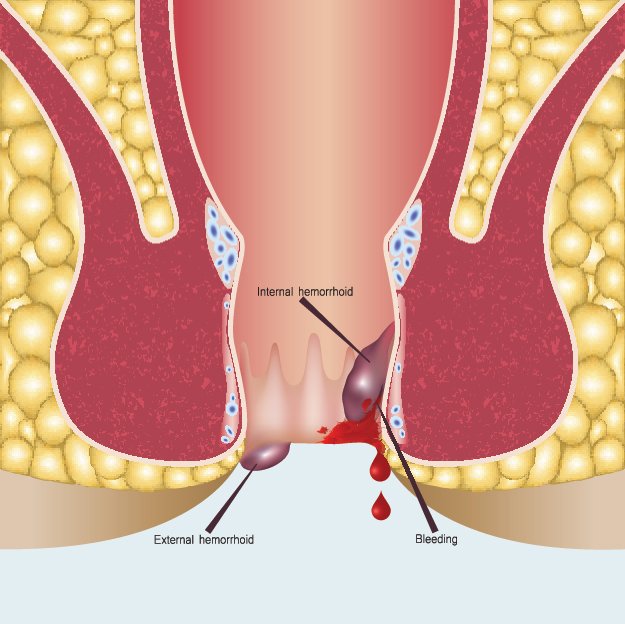
Bleeding piles occur when swollen hemorrhoidal veins rupture, causing bright red blood during or after bowel movements.
They are often painless but may cause discomfort, itching, and a feeling of incomplete evacuation.
Common causes include chronic constipation, straining, pregnancy, low-fiber diets, and prolonged sitting.
Persistent or heavy bleeding may indicate severe hemorrhoids or other underlying gastrointestinal conditions.
Management includes dietary fiber, hydration, stool softeners, topical treatments, and medical procedures in advanced cases.

Bleeding Piles (Hemorrhoids with Bleeding) Read Post »