Female Health Issues

Female Health Issues, Gynecology

Premenstrual Syndrome (PMS)

Premenstrual Syndrome (PMS) refers to physical, emotional, and behavioral symptoms that occur before menstruation.
Common symptoms include mood swings, irritability, bloating, breast tenderness, headaches, and fatigue.
It usually starts a few days to two weeks before periods and improves once menstruation begins.
Hormonal fluctuations, stress, poor diet, and lifestyle factors may contribute to PMS.
Treatment includes exercise, stress management, balanced diet, medications, and lifestyle modifications.

Premenstrual Syndrome (PMS) Read Post »

Female Health Issues, Gynecology

Polycystic Ovary Syndrome (PCOS / PCOD)

Polycystic Ovary Syndrome (PCOS/PCOD) is a common hormonal disorder in women of reproductive age.
It causes irregular periods, excess androgen (male hormone) levels, and multiple small cysts on the ovaries.
Symptoms include weight gain, acne, excessive hair growth, hair thinning, and infertility.
PCOS is strongly linked to insulin resistance, increasing the risk of diabetes and metabolic syndrome.
Treatment focuses on lifestyle changes, weight management, medications, and managing fertility issues.

Polycystic Ovary Syndrome (PCOS / PCOD) Read Post »

Female Health Issues, Gynecology

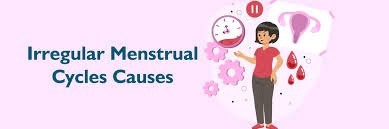
Irregular Menstrual Cycles

Irregular menstrual cycles are when the timing, flow, or duration of periods varies significantly.
Common causes include hormonal imbalance, PCOS, thyroid disorders, stress, weight changes, or excessive exercise.
Cycles may be shorter, longer, skipped, or involve unusually heavy/light bleeding.
Symptoms often include mood swings, acne, hair growth, infertility issues, and unpredictable bleeding.
Treatment focuses on correcting the underlying cause through lifestyle changes, medications, or hormone therapy.

Irregular Menstrual Cycles Read Post »

Female Health Issues, Gynecology

Menorrhagia

Menorrhagia is abnormally heavy or prolonged menstrual bleeding.
It may cause soaking through pads/tampons every hour, passing large blood clots, or periods lasting more than 7 days.
Common causes include hormonal imbalance, fibroids, polyps, thyroid disorders, or bleeding disorders.
Symptoms often include fatigue, weakness, and anemia due to blood loss.
Treatment depends on the cause and may involve medications, hormone therapy, or surgical options like endometrial ablation or hysterectomy.

Menorrhagia Read Post »

Female Health Issues

Dysmenorrhea

Dysmenorrhea refers to painful menstrual cramps that occur before or during periods.
It is classified as primary (without underlying disease, usually starting in adolescence) or secondary (caused by conditions like endometriosis or fibroids).
Symptoms include lower abdominal pain, back pain, nausea, headache, and fatigue.
Risk factors include early puberty, heavy bleeding, smoking, and family history.
Treatment involves pain relievers, heat therapy, exercise, stress management, and treating underlying conditions if present.

Dysmenorrhea Read Post »

Female Health Issues

Amenorrhea

Amenorrhea is the absence of menstruation during reproductive age in women.
It can be primary (when periods never start by age 15) or secondary (when periods stop for 3+ months after being regular).
Causes include hormonal imbalance, pregnancy, stress, excessive exercise, eating disorders, or medical conditions like PCOS.
Symptoms may include infertility, headache, hair loss, or milky nipple discharge (depending on the cause).
Treatment depends on the underlying cause and may involve lifestyle changes, medications, or hormone therapy.

Amenorrhea Read Post »

Cancer, Female Health Issues

Breast Cancer

Breast Cancer develops in the cells of the breast, most commonly in the ducts or lobules.
It is the most common cancer in women worldwide but can also occur in men.
Risk factors include family history, BRCA gene mutations, obesity, alcohol use, and hormonal imbalance.
Symptoms may include a breast lump, nipple discharge, skin changes, or breast pain.
Treatment options include surgery, radiation therapy, chemotherapy, hormone therapy, targeted therapy, and immunotherapy.

Breast Cancer Read Post »

Female Health Issues, Gynecology

Fallopian Tube Cancer

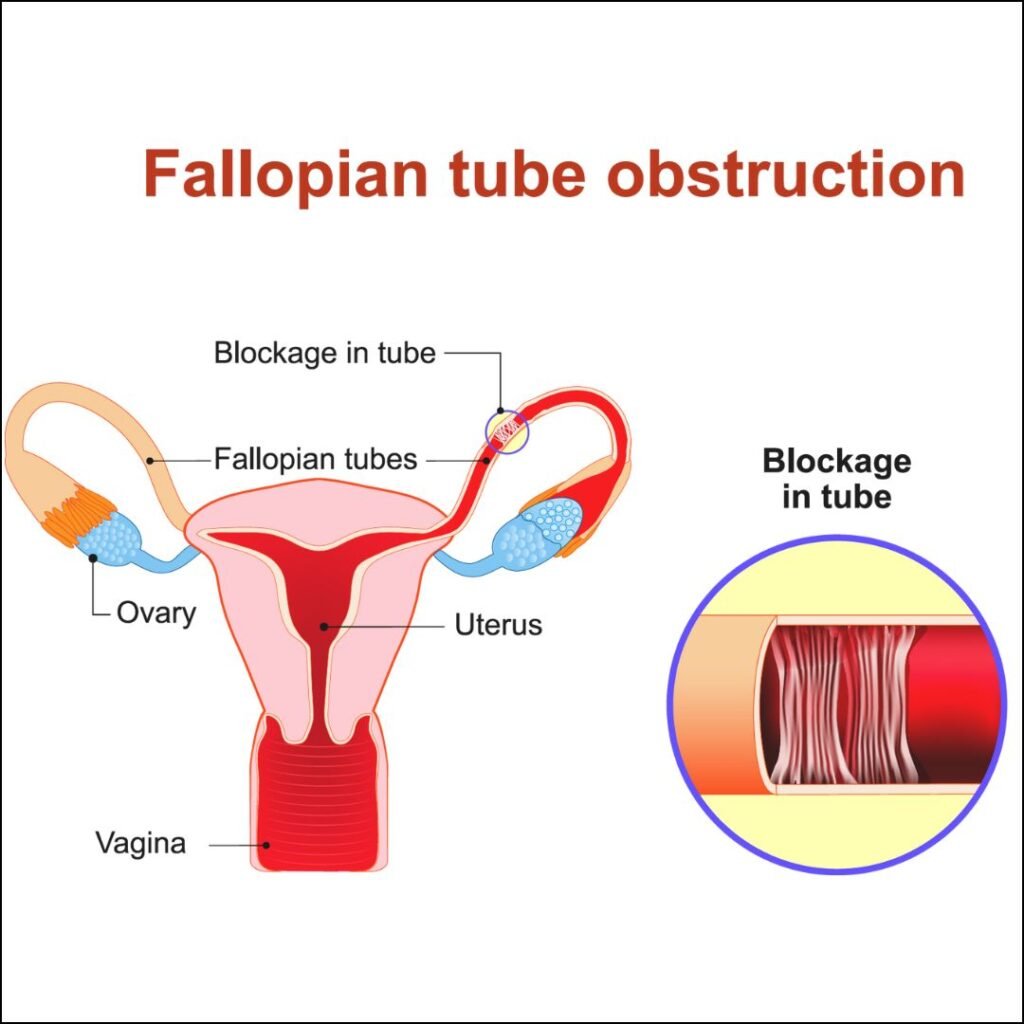
Fallopian Tube Cancer is a rare gynecological cancer that develops in the fallopian tubes, which connect the ovaries to the uterus.
It is often linked to genetic factors such as BRCA1 and BRCA2 mutations.
Symptoms may include abnormal vaginal bleeding, pelvic or abdominal pain, bloating, and watery discharge.
Because it resembles ovarian cancer, it is often diagnosed at a later stage.
Treatment usually involves surgery to remove reproductive organs, followed by chemotherapy or targeted therapy.

Fallopian Tube Cancer Read Post »

Female Health Issues, Gynecology

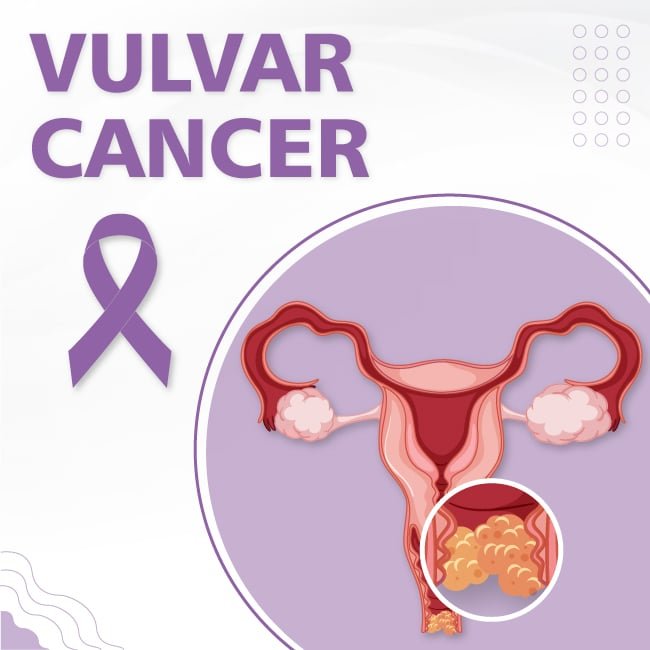
Vulvar Cancer

Vulvar Cancer develops in the external female genitalia, including the labia and surrounding tissues.
It is relatively rare and occurs more often in older women.
Risk factors include HPV infection, smoking, chronic vulvar irritation, and weakened immunity.
Symptoms may include persistent itching, burning, pain, skin color changes, or a lump/ulcer on the vulva.
Treatment options include surgery (vulvectomy), radiation therapy, chemotherapy, or targeted therapy depending on the stage.

Vulvar Cancer Read Post »

Female Health Issues, Gynecology

Cervical Cancer

Cervical Cancer develops in the cells of the cervix, the lower part of the uterus connecting to the vagina.
It is most commonly caused by persistent infection with high-risk types of Human Papillomavirus (HPV).
Risk factors include multiple sexual partners, early sexual activity, smoking, and weakened immunity.
Symptoms may include abnormal vaginal bleeding, foul-smelling discharge, pelvic pain, and pain during intercourse.
Treatment options include surgery, radiation therapy, chemotherapy, targeted therapy, and preventive HPV vaccination.

Cervical Cancer Read Post »