diabetic

images (1)
diabetic, Female Health Issues

Gestational Diabetes

Gestational diabetes is a type of diabetes that develops during pregnancy when the body cannot produce enough insulin to meet increased demands. This leads to high blood sugar levels, which can affect both the mother and the baby. Risk factors include obesity, a family history of diabetes, advanced maternal age, and previous pregnancy complications. While gestational diabetes often resolves after delivery, it increases the risk of high birth weight, premature delivery, and cesarean section. Mothers are also at higher risk of developing type 2 diabetes later in life. Careful blood sugar monitoring, healthy eating, regular exercise, and in some cases insulin therapy are important for managing gestational diabetes and ensuring a safe pregnancy outcome.

Gestational Diabetes Read Post »

17ea7cc6 7905 4bf1 8748 26d0eb95b464 2000x1656
diabetic

Metabolic Syndrome in Diabetes

Metabolic syndrome is a cluster of conditions that commonly occur together and increase the risk of type 2 diabetes and cardiovascular disease. These include abdominal obesity, high blood pressure, elevated blood sugar, high triglycerides, and low HDL (“good”) cholesterol. In people with diabetes, metabolic syndrome worsens insulin resistance, making blood sugar management more difficult and increasing the likelihood of complications such as heart disease, stroke, and kidney problems. Lifestyle factors—such as poor diet, lack of physical activity, and obesity—play a key role in its development. Early diagnosis, weight management, healthy eating, regular exercise, and strict blood sugar control are essential strategies to prevent and manage metabolic syndrome in diabetes.

Metabolic Syndrome in Diabetes Read Post »

22206 insulin resistance
diabetic

Insulin Related Conditions in Diabetes

Insulin plays a central role in regulating blood sugar levels, and disturbances in its production or use give rise to several conditions. In type 1 diabetes, the pancreas produces little or no insulin, requiring lifelong insulin therapy. In type 2 diabetes, the body becomes resistant to insulin or fails to use it effectively, often requiring lifestyle changes, oral medications, or insulin treatment. Improper insulin use may lead to hypoglycemia (low blood sugar), causing dizziness, sweating, and confusion, or hyperglycemia (high blood sugar), leading to fatigue, excessive thirst, and long-term complications. Other insulin-related issues include insulin resistance, lipodystrophy at injection sites, and difficulty maintaining stable glucose levels. Careful monitoring, proper injection techniques, and individualized treatment plans are essential to manage these conditions effectively.

Insulin Related Conditions in Diabetes Read Post »

shutterstock
diabetic

Dental and Gum Problems in Diabetes

Diabetes affects oral health in many ways. High blood sugar levels can reduce the body’s ability to fight infections, making the gums more vulnerable to inflammation and disease. People with uncontrolled diabetes are at a higher risk of developing gingivitis and periodontitis, which can cause gum swelling, bleeding, and even tooth loss if left untreated. Dry mouth (xerostomia) is also common in diabetes, leading to discomfort, bad breath, and increased risk of cavities. Furthermore, slow healing of oral tissues can complicate dental procedures. Good blood sugar control, regular dental check-ups, daily brushing and flossing, and avoiding tobacco are essential steps in protecting oral health for individuals with diabetes.

Dental and Gum Problems in Diabetes Read Post »

images
diabetic

Hyperosmolar Hyperglycemic State (HHS)

Hyperosmolar Hyperglycemic State (HHS) is a life-threatening diabetes complication marked by extremely high blood sugar, severe dehydration, and altered consciousness, usually without significant ketone buildup.Hyperosmolar Hyperglycemic State (HHS) is a life-threatening diabetes complication marked by extremely high blood sugar, severe dehydration, and altered consciousness, usually without significant ketone buildup.

Hyperosmolar Hyperglycemic State (HHS) Read Post »

coronary artery disease a macrovascular complication
Chronic diseases, diabetic

Cardiovascular Complications in Diabetes

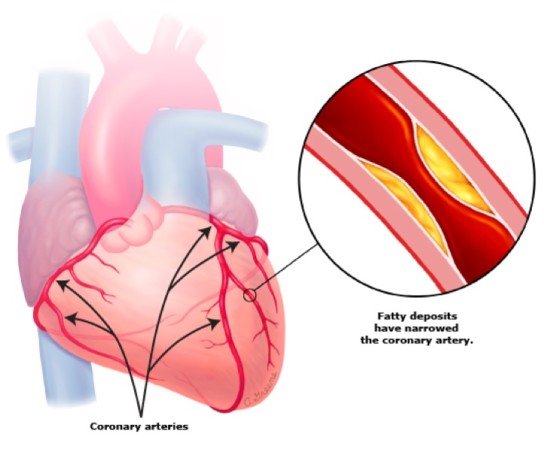
Diabetes significantly increases the risk of cardiovascular diseases (CVD), including heart disease, stroke, and heart failure. Elevated blood sugar levels can damage blood vessels and nerves, leading to conditions such as atherosclerosis, where fatty deposits narrow arteries and restrict blood flow to the heart. This can result in chest pain, heart attacks, and other serious complications.

Cardiovascular Complications in Diabetes Read Post »