diabetic

type 2 diabetes and erectile
diabetic, Male Health Issues

Diabetes & Erectile Dysfunction (ED)

Erectile Dysfunction (ED) is a common complication of diabetes, caused by long-term damage to blood vessels and nerves that control erections. High blood sugar levels reduce blood flow and impair nerve function, making it difficult to achieve or maintain an erection. Stress, obesity, and hormonal imbalance can further worsen the condition. Early management of diabetes through healthy lifestyle changes, medications, and open discussion with healthcare professionals can improve both blood sugar control and sexual health.

Diabetes & Erectile Dysfunction (ED) Read Post »

thyroid with diabetes
diabetic

Diabetes & Thyroid Disorders

Diabetes and thyroid disorders are closely linked endocrine conditions that often occur together. An imbalance in thyroid hormones can affect blood sugar regulation, while diabetes can impact thyroid function. Hypothyroidism may slow metabolism and worsen insulin resistance, whereas hyperthyroidism can cause unstable blood sugar levels. Regular screening, timely diagnosis, and proper management of both conditions are essential for maintaining overall hormonal balance and long-term health.

Diabetes & Thyroid Disorders Read Post »

pcos
diabetic, Female Health Issues

Diabetes & Polycystic Ovary Syndrome (PCOS)

Polycystic Ovary Syndrome (PCOS) is a common hormonal disorder in women of reproductive age that often leads to irregular periods, excess androgens, and ovarian cysts. One of its key underlying issues is insulin resistance, which increases the risk of developing type 2 diabetes. Women with PCOS are more prone to weight gain, difficulty managing blood sugar, and long-term complications such as metabolic syndrome. Early lifestyle changes, including a balanced diet, regular exercise, and medical management, can help improve insulin sensitivity and reduce the risk of diabetes in women with PCOS.

Diabetes & Polycystic Ovary Syndrome (PCOS) Read Post »

diabetes and sleep apnea
diabetic

Diabetes & Sleep Apnea

Sleep apnea is a sleep disorder where breathing repeatedly stops and starts during sleep. It is more common in people with diabetes, especially those who are overweight or obese. Poor sleep quality worsens insulin resistance and blood sugar control. Treating sleep apnea with lifestyle changes or CPAP therapy can improve both sleep and diabetes management.

Diabetes & Sleep Apnea Read Post »

high cholesterol dislipidemia
diabetic

Diabetes & Dyslipidemia (Cholesterol / Lipid Problems)

Dyslipidemia refers to abnormal levels of cholesterol and other blood lipids, and it is very common in people with diabetes. High LDL (“bad” cholesterol), high triglycerides, and low HDL (“good” cholesterol) accelerate the buildup of fatty deposits in blood vessels, leading to atherosclerosis, heart disease, and stroke. When combined with high blood sugar, these lipid problems significantly increase cardiovascular risk. Regular lipid screening, a balanced diet low in saturated fats, regular exercise, weight management, and medications such as statins are important in controlling dyslipidemia and protecting heart health in people with diabetes.

Diabetes & Dyslipidemia (Cholesterol / Lipid Problems) Read Post »

highper tension
diabetic

Diabetes & Hypertension (High Blood Pressure)

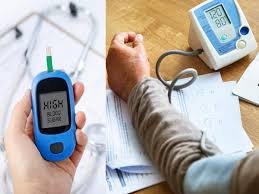
Diabetes and hypertension often occur together, and their combination greatly increases the risk of serious complications such as heart disease, stroke, kidney damage, and vision problems. High blood sugar damages blood vessels and nerves, while high blood pressure puts extra strain on the cardiovascular system, accelerating the progression of complications. Managing both conditions through regular monitoring, healthy diet, reduced salt intake, physical activity, stress control, and prescribed medications is essential to protect long-term health and reduce risks.

Diabetes & Hypertension (High Blood Pressure) Read Post »

obesity pe1
diabetic

Obesity & Overweight in Diabetes

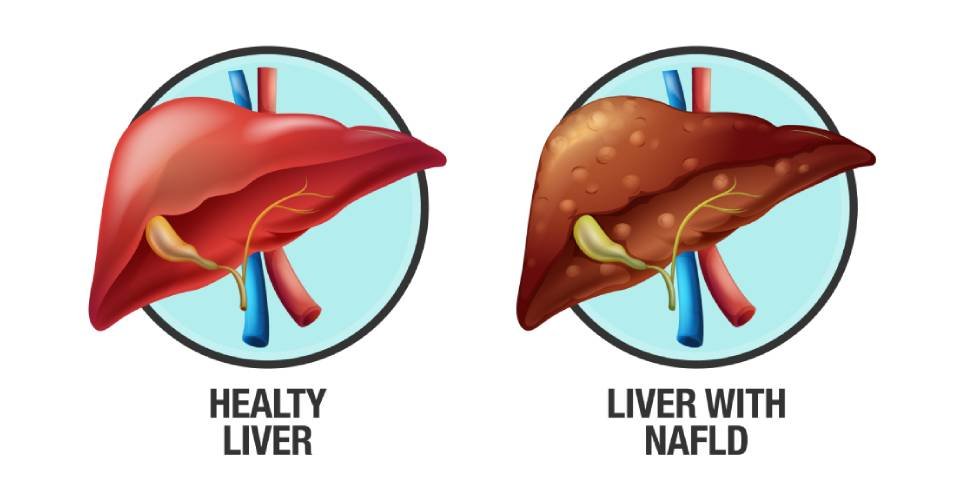
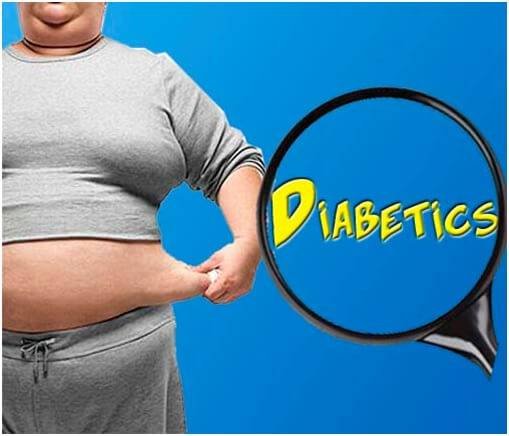
Obesity and overweight are major risk factors for the development and progression of type 2 diabetes. Excess body fat, particularly around the abdomen, leads to insulin resistance, making it harder for the body to regulate blood sugar. In people already living with diabetes, obesity worsens blood sugar control and increases the risk of complications such as heart disease, high blood pressure, and fatty liver disease. Weight reduction through healthy eating, regular physical activity, and lifestyle changes can significantly improve insulin sensitivity, blood sugar control, and overall health outcomes.

Obesity & Overweight in Diabetes Read Post »

igt & ifg
diabetic

Impaired Glucose Tolerance (IGT) & Impaired Fasting Glucose (IFG)

Impaired Glucose Tolerance (IGT) and Impaired Fasting Glucose (IFG) are prediabetic conditions where blood sugar levels are above normal but not high enough to be diagnosed as diabetes. IGT refers to higher-than-normal blood sugar after eating, while IFG is elevated blood sugar after fasting. Both conditions indicate insulin resistance and an increased risk of developing type 2 diabetes and cardiovascular disease. Early identification, lifestyle modification through healthy diet, regular exercise, and weight management can delay or even prevent the progression to diabetes.

Impaired Glucose Tolerance (IGT) & Impaired Fasting Glucose (IFG) Read Post »

prediabbetes
diabetic

Prediabetes

Prediabetes is a condition where blood sugar levels are higher than normal but not yet high enough to be classified as diabetes. It is often a warning sign of developing type 2 diabetes and is linked with obesity, physical inactivity, and insulin resistance. Many people with prediabetes may not experience symptoms, but early detection is important. Lifestyle changes such as weight loss, healthy eating, and regular physical activity can reverse prediabetes and significantly reduce the risk of progression to diabetes.

Prediabetes Read Post »