Chronic diseases

Bone, Chronic diseases

Gout

Gout is a form of inflammatory arthritis caused by the buildup of uric acid crystals in the joints.
It commonly affects the big toe but can also involve ankles, knees, elbows, wrists, and fingers.
Risk factors include obesity, high-purine diet, alcohol consumption, kidney disease, and family history.
Symptoms include sudden and severe joint pain, swelling, redness, and warmth, often at night.
Treatment involves medications to reduce pain and inflammation, uric acid–lowering drugs, and lifestyle changes.


Gout Read Post »

interstitial cystitis (ic)
Chronic diseases

Interstitial Cystitis (IC) / Painful Bladder Syndrome

Interstitial Cystitis (IC), also called Painful Bladder Syndrome, is a chronic bladder condition.
It causes bladder pressure, frequent urination, and pelvic pain without infection.
The exact cause is unclear but may involve bladder lining defects, immune issues, or nerve sensitivity.
Symptoms often worsen with stress, certain foods, or during menstruation in women.
Treatment focuses on lifestyle changes, bladder training, medications, and supportive therapies.

Interstitial Cystitis (IC) / Painful Bladder Syndrome Read Post »

urethritis
Chronic diseases, Male Health Issues

Urethritis

Urethritis is an inflammation of the urethra, the tube that carries urine out of the body from the bladder. It can be caused by infections, often due to sexually transmitted infections (STIs) such as gonorrhea and chlamydia, but can also result from non-infectious causes, such as irritants or trauma. Symptoms typically include pain during urination, increased urinary frequency or urgency, and discharge from the urethra. Diagnosis is commonly made through urine tests, swabs, or cultures to identify the underlying cause. Treatment often involves antibiotics for bacterial infections, and it’s essential to address any STIs or related complications. Preventative measures include practicing safe sex and maintaining good hygiene. If you suspect you have urethritis, it’s important to seek medical attention for a proper diagnosis and treatment plan.

Urethritis Read Post »

chronic liver
Chronic diseases, liver

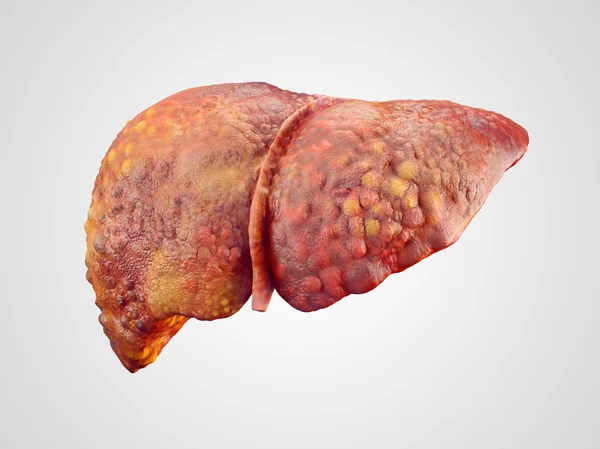
Chronic Liver Failure (CLF)

Chronic Liver Failure (CLF), also called end-stage liver disease, develops gradually over months to years due to long-term liver damage.
The most common causes include chronic hepatitis infections, alcohol abuse, non-alcoholic fatty liver disease, and cirrhosis.
Symptoms often include jaundice, abdominal swelling (ascites), easy bruising or bleeding, fatigue, and confusion (hepatic encephalopathy).
It is a progressive and serious condition, where the liver gradually loses its ability to function.
Management includes lifestyle changes, medications, treating underlying cause, and in advanced cases, liver transplantation may be required.

Chronic Liver Failure (CLF) Read Post »

primary sclerosing cholangitis
Chronic diseases, liver

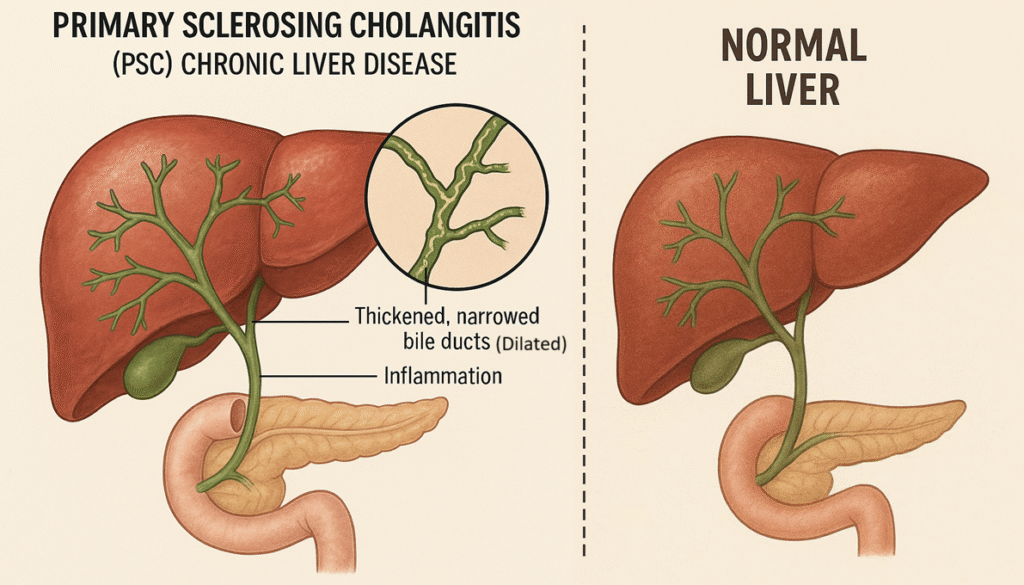
Primary Sclerosing Cholangitis (PSC) – Bile Duct Narrowing & Inflammation

Primary Sclerosing Cholangitis (PSC) is a rare, long-term liver disease where the bile ducts become inflamed, scarred, and narrowed. This prevents the normal flow of bile, leading to bile buildup, liver cell damage, and progressive scarring. Symptoms often include fatigue, jaundice, itching, and abdominal discomfort. Over time, PSC can cause repeated infections, cirrhosis, and even liver cancer. Since no cure currently exists, treatment mainly aims at relieving symptoms and considering liver transplantation in advanced stages.

Primary Sclerosing Cholangitis (PSC) – Bile Duct Narrowing & Inflammation Read Post »

autoimmune hapatitis
Chronic diseases, liver

Autoimmune Hepatitis – When Immunity Attacks the Liver

Autoimmune Hepatitis is a condition where the body’s immune system mistakenly attacks the liver.
This leads to inflammation, liver cell damage, and scarring if untreated.
Common symptoms include fatigue, jaundice, abdominal discomfort, and joint pain.
It can progress to cirrhosis and liver failure in severe cases.
Treatment focuses on immunosuppressive medicines and long-term monitoring.

Autoimmune Hepatitis – When Immunity Attacks the Liver Read Post »

congestive hepatopathy
Chronic diseases, liver

Congestive Hepatopathy – Liver Congestion due to Heart Problems

Congestive Hepatopathy is liver damage caused by long-standing heart problems, especially right-sided heart failure.
When the heart cannot pump blood properly, it causes backflow and congestion in liver veins.
This leads to enlarged liver, abdominal discomfort, swelling (ascites, edema), and sometimes jaundice.
Chronic congestion may progress to fibrosis or cirrhosis of the liver.
Treatment mainly focuses on managing the heart condition to protect the liver.

Congestive Hepatopathy – Liver Congestion due to Heart Problems Read Post »

hepatitis c
Chronic diseases, liver

Hepatitis C

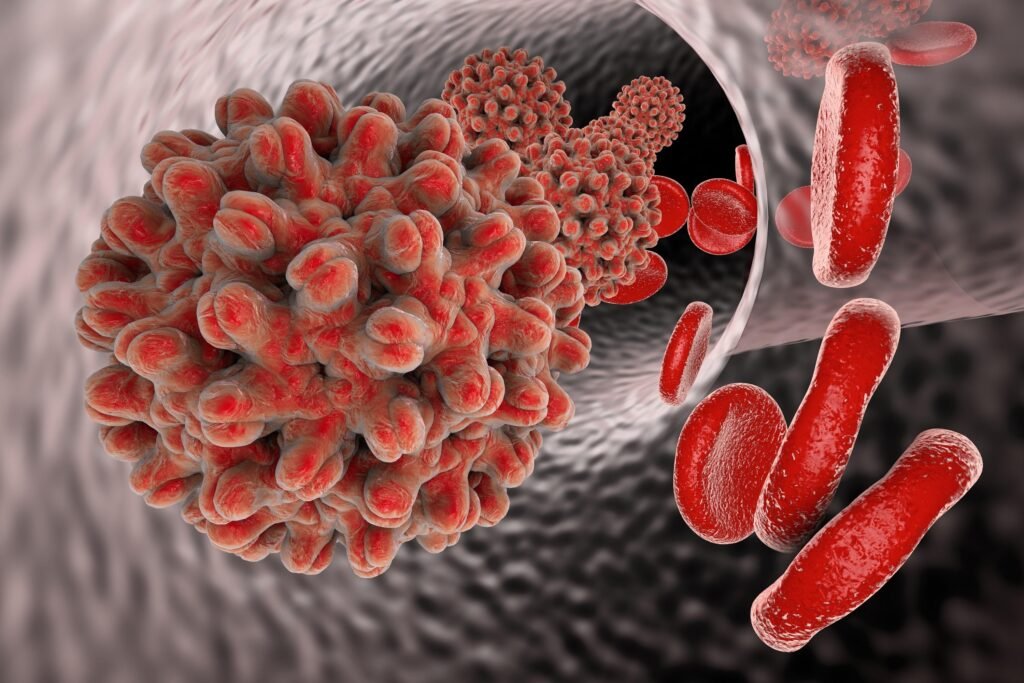
Hepatitis C is a viral infection that primarily affects the liver and is caused by the hepatitis C virus (HCV). Many people with hepatitis C do not experience symptoms in the early stages, but some may have fever, fatigue, nausea, abdominal pain, jaundice, dark urine, or clay-colored stools. The infection can become chronic, leading to serious liver damage such as cirrhosis or liver cancer if untreated. Hepatitis C spreads mainly through blood-to-blood contact, including sharing needles or contaminated medical equipment. While there is no vaccine, hepatitis C can be cured with antiviral medications in most cases.

Hepatitis C Read Post »

hepatitis b
Chronic diseases, liver

Hepatitis B

Hepatitis B is a liver infection caused by the hepatitis B virus (HBV) that can be acute or chronic. Symptoms often appear 1 to 4 months after exposure and may include fever, fatigue, loss of appetite, nausea, abdominal pain, dark urine, and jaundice. Some individuals may be asymptomatic, especially young children, while others develop severe liver disease including cirrhosis or liver cancer. The virus spreads through contact with infected blood or body fluids and from mother to child at birth. Vaccination is the most effective way to prevent hepatitis B infection.

Hepatitis B Read Post »

hepatitis a
Chronic diseases, liver

Hepatitis A

Hepatitis A is a contagious liver infection caused by the hepatitis A virus (HAV), commonly spread through contaminated food or water. Symptoms can include jaundice (yellowing of skin and eyes), fatigue, nausea, abdominal pain, and dark urine, usually appearing 2 to 7 weeks after exposure. The infection is generally acute and self-limiting, with no chronic liver disease, and prevention is possible through vaccination and hygiene measures.

Hepatitis A Read Post »