Cancer

lung cancer
Cancer

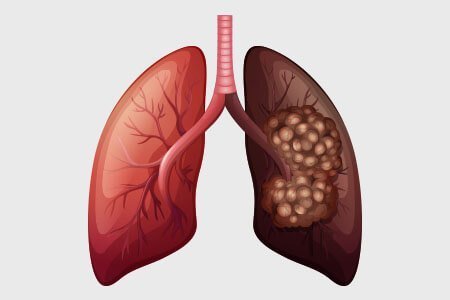
Lung Cancer

Lung Cancer is a disease in which abnormal cells grow uncontrollably in the lungs, interfering with breathing.
It is strongly associated with smoking, but can also occur due to pollution, asbestos, and genetic factors.
The two main types are small cell lung cancer (SCLC) and non-small cell lung cancer (NSCLC).
Symptoms include persistent cough, chest pain, shortness of breath, coughing up blood, and weight loss.
Treatment includes surgery, chemotherapy, radiation therapy, targeted therapy, and immunotherapy.
Lung Cancer Read Post »

colorectal cancer
Cancer

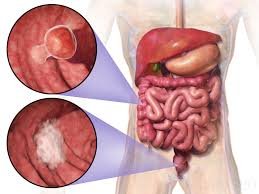
Colorectal Cancer

Colorectal Cancer is a cancer that affects the colon and rectum, parts of the large intestine.
It often begins as benign polyps that may turn cancerous over time.
Risk factors include older age, family history, inflammatory bowel disease, smoking, obesity, and low-fiber diet.
Symptoms include changes in bowel habits, blood in stool, abdominal pain, fatigue, and unexplained weight loss.
Treatment options include surgery, chemotherapy, radiation therapy, targeted therapy, and immunotherapy.

Colorectal Cancer Read Post »

pancreatic cancer
Cancer

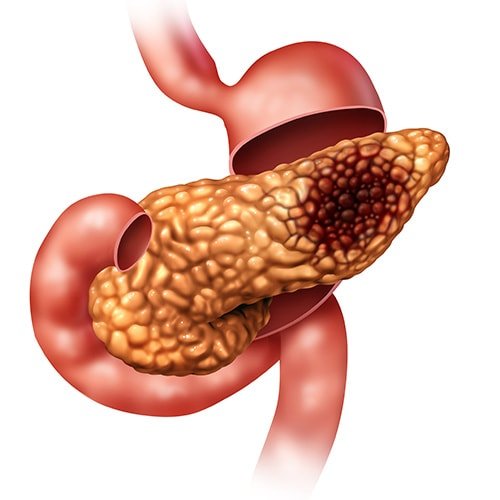
Pancreatic Cancer

Pancreatic Cancer develops in the tissues of the pancreas, an organ that produces digestive enzymes and hormones like insulin.
It often has no early symptoms, making it difficult to detect until advanced stages.
Risk factors include smoking, obesity, chronic pancreatitis, diabetes, and family history.
Symptoms may include abdominal pain, jaundice, unexplained weight loss, nausea, and digestive problems.
Treatment options include surgery, chemotherapy, radiation therapy, targeted therapy, and immunotherapy.

Pancreatic Cancer Read Post »

anal cancer
Cancer

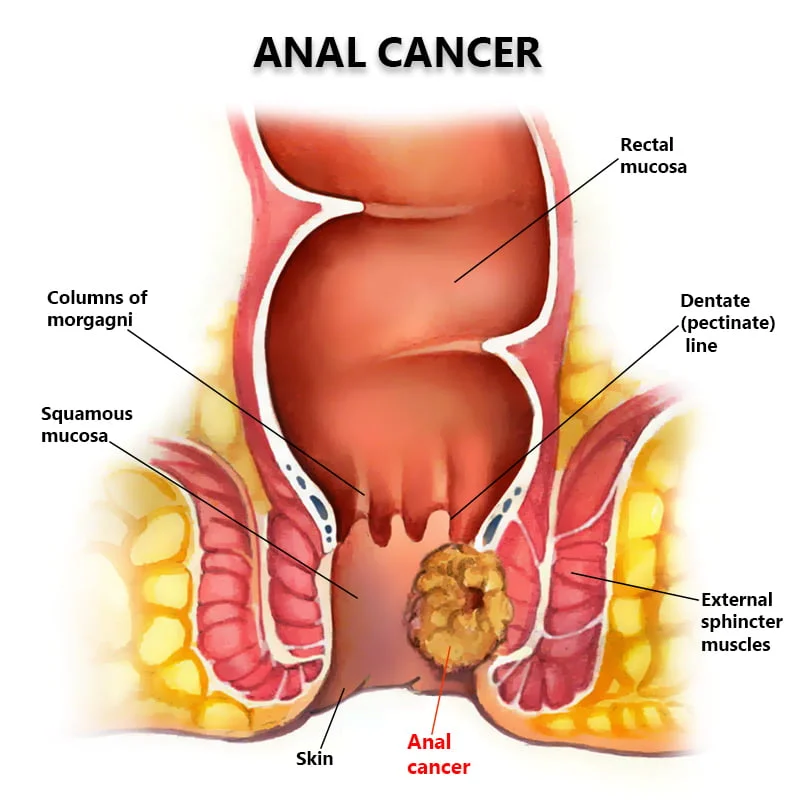
Anal Cancer

Anal Cancer develops in the tissues of the anus, the opening at the end of the rectum.
It is often linked to human papillomavirus (HPV) infection, smoking, and weakened immunity.
Symptoms include bleeding from the anus, pain, itching, lumps, and changes in bowel habits.
Although rare, early detection improves treatment outcomes significantly.
Treatment options include surgery, radiation therapy, chemotherapy, and targeted therapy.

Anal Cancer Read Post »

rectal cancer
Cancer

Rectal Cancer

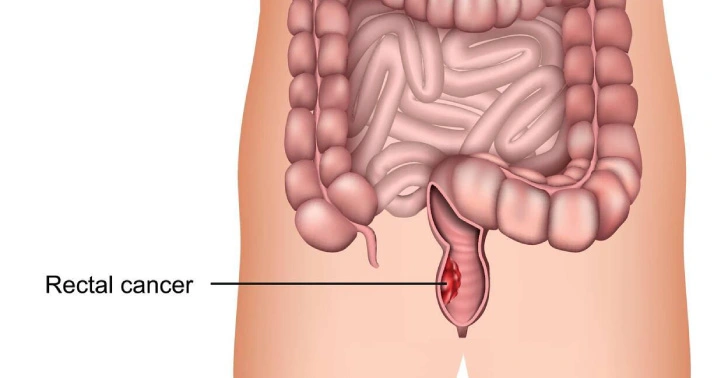
Rectal Cancer develops in the rectum, the last portion of the large intestine just before the anus.
It often begins as small growths called polyps that can become cancerous over time.
Risk factors include family history, older age, inflammatory bowel disease, smoking, and diet.
Symptoms include rectal bleeding, changes in bowel habits, abdominal pain, weakness, and weight loss.
Treatment usually involves surgery, radiation therapy, chemotherapy, and targeted therapy.

Rectal Cancer Read Post »

colon cancer (large intestine cancer)
Cancer

Colon Cancer (Large Intestine Cancer)

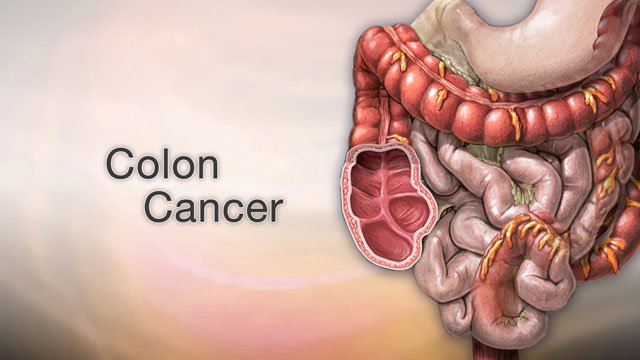
Colon Cancer, also called Large Intestine Cancer, begins in the colon, the longest part of the large intestine.
It usually develops from precancerous polyps that gradually turn cancerous over time.
Risk factors include older age, family history, obesity, low-fiber diet, smoking, and alcohol use.
Symptoms include changes in bowel habits, blood in stool, abdominal pain, weakness, and weight loss.
Treatment may include surgery, chemotherapy, radiation therapy, targeted therapy, or immunotherapy.

Colon Cancer (Large Intestine Cancer) Read Post »

small intestine cancer
Cancer

Small Intestine Cancer

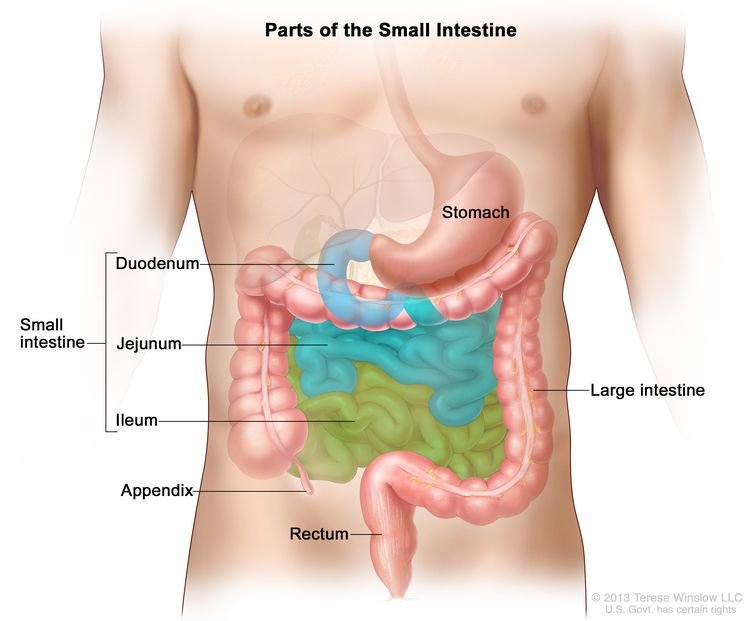
Small Intestine Cancer is a rare cancer that begins in the tissues of the small intestine, which helps digest food and absorb nutrients.
It can develop as adenocarcinoma, sarcoma, lymphoma, or carcinoid tumors.
Risk factors include Crohn’s disease, celiac disease, high-fat diet, smoking, and family history.
Symptoms include abdominal pain, nausea, vomiting, weight loss, and blood in stool.
Treatment options may involve surgery, chemotherapy, targeted therapy, or radiation therapy.

Small Intestine Cancer Read Post »

stomach (gastric) cancer
Cancer

Stomach (Gastric) Cancer

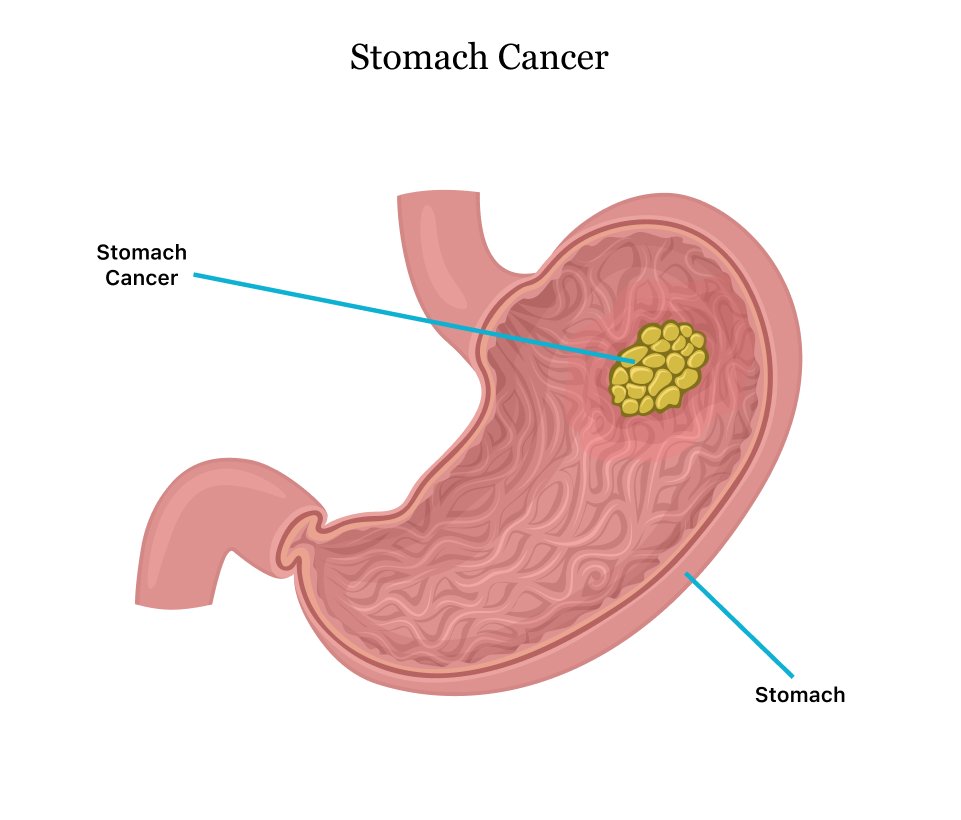
Stomach Cancer, also called Gastric Cancer, develops in the lining of the stomach.
It is often linked to Helicobacter pylori infection, smoking, high-salt diet, and family history.
Symptoms include indigestion, bloating, nausea, stomach pain, vomiting blood, and weight loss.
It can spread to nearby organs and lymph nodes if not detected early.
Treatment includes surgery, chemotherapy, radiation therapy, targeted therapy, and immunotherapy.
Stomach (Gastric) Cancer Read Post »

esophageal cancer (cancer of the food pipe)
Cancer

Esophageal Cancer (Cancer of the Food Pipe)

Esophageal Cancer develops in the lining of the esophagus (food pipe), which carries food from the throat to the stomach.
It is commonly associated with smoking, alcohol use, chronic acid reflux, and obesity.
Symptoms include difficulty swallowing, chest pain, heartburn, weight loss, and coughing.
There are two main types: squamous cell carcinoma and adenocarcinoma.
Treatment options include surgery, chemotherapy, radiation therapy, and targeted therapy.

Esophageal Cancer (Cancer of the Food Pipe) Read Post »

oral cancer (mouth cancer)
Cancer

Oral Cancer (Mouth Cancer)

Oral Cancer, also called Mouth Cancer, develops in the tissues of the mouth such as lips, tongue, gums, or inner cheeks.
It is often linked to tobacco use, alcohol consumption, and HPV infection.
Common symptoms include mouth sores that don’t heal, persistent pain, difficulty swallowing, and lumps in the mouth.
Early detection is crucial, as oral cancer can spread to nearby lymph nodes and other organs.
Treatment may include surgery, radiation therapy, chemotherapy, and targeted therapy.

Oral Cancer (Mouth Cancer) Read Post »